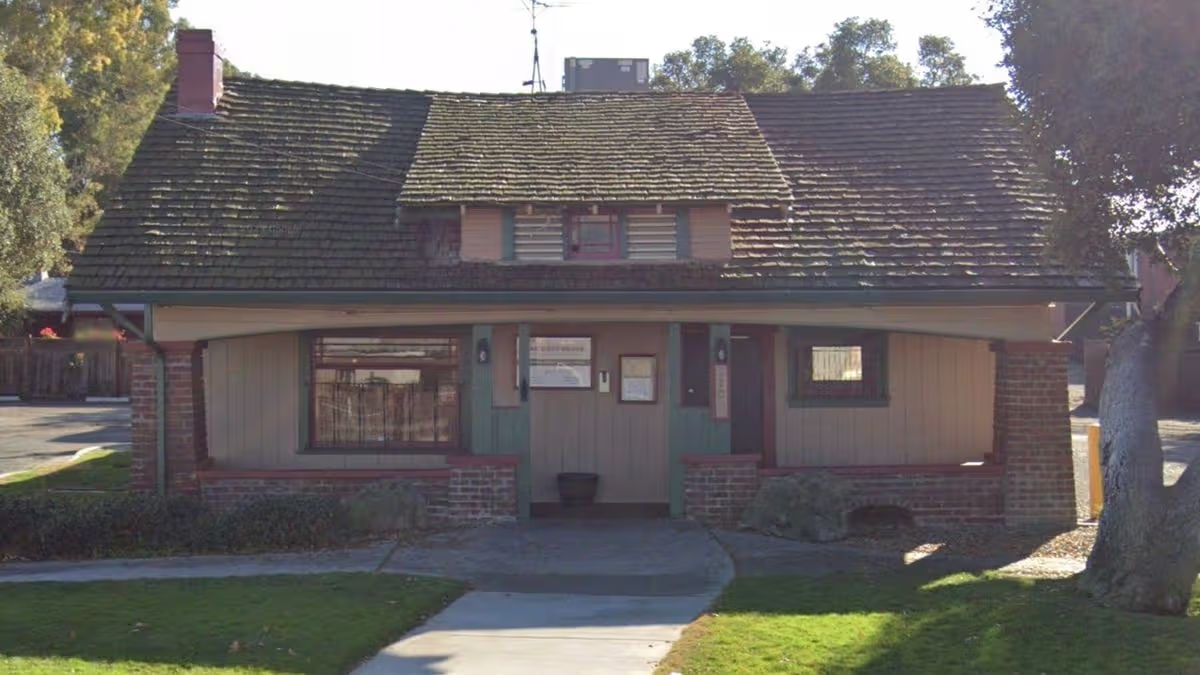

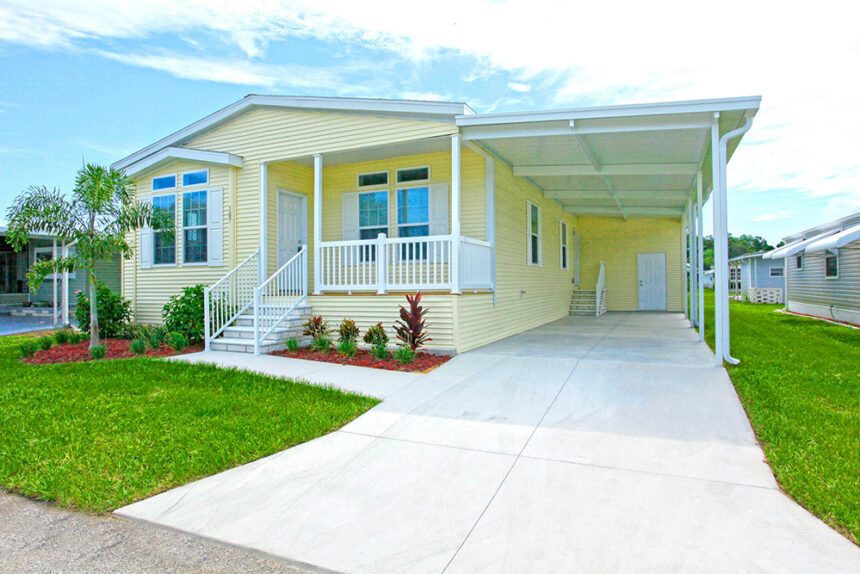
Looking at houses for sale under 100k can feel like spotting a unicorn, especially if you’re used to seeing big-city prices. But here’s the thing: these homes do exist, and plenty of people buy them every single year. The trick is knowing where to look and what you’re actually getting.
- What “Under 100k” Really Means Today
- What Buyers Should Expect at This Price Point
- Where Houses for Sale Under 100k Are Often Found
- The Pros of Buying Affordable Homes
- The Cons You Shouldn’t Ignore
- Financing Considerations for Low-Cost Homes
- Hidden Costs People Forget About
- Inspection Tips Before You Buy
- Red Flags to Watch For
- Who This Budget Actually Fits
- Practical Buying Advice That Actually Helps
- Final Thoughts
This guide walks you through the whole picture. What to expect, where to find these homes, the upsides, the downsides, and the little costs nobody warns you about.
What “Under 100k” Really Means Today
A home priced under 100k usually means a smaller property, an older build, or a place in a less expensive market. That’s not a bad thing. It just sets the right expectations.
To be honest, you’re often looking at starter homes, fixer-uppers, or modest houses in small towns. The dream mansion at this price? Pretty rare unless you’re in a very specific area.
What’s interesting is that the same budget can get you wildly different homes depending on location. A hundred thousand dollars stretches much further in rural areas than in coastal cities.
What Buyers Should Expect at This Price Point
Let’s set the scene. Most affordable homes in this range share a few common traits.
- They’re often older properties, sometimes 30 to 100 years old
- Square footage tends to be smaller
- Some need repairs or updates
- Many sit in small-town or rural housing markets
Not every home will need work. But a good chunk of budget-friendly properties at this level come with a project or two attached.
In short: expect modest, expect older, and expect to do a little homework.
Where Houses for Sale Under 100k Are Often Found
Location is everything here. The same house could cost three times as much just a few states over.
Small Towns and Rural Markets
Small-town housing markets are where cheap houses show up most often. Fewer jobs and lower demand keep prices down, which works in your favor as a buyer.
Midwest and Parts of the South
Many low-cost real estate options pop up across the Midwest and southern states. Exact prices vary by city and county, so always check current local listings rather than assuming.
Foreclosure and Auction Homes
Foreclosure homes and auction homes sometimes fall under this budget. These can be deals, but they often come “as-is,” meaning you take on whatever problems exist. More on that risk later.
The Pros of Buying Affordable Homes
There’s a lot to like about shopping in this range. Let me break it down.
Lower Monthly Payments
A smaller loan means smaller payments. That frees up cash for savings, repairs, or just everyday life.
Easier Path to Ownership
For first-time buyers, these starter homes can be the doorway into owning property instead of renting forever.
Room to Build Equity
Buy a fixer-upper, improve it slowly, and you might grow your equity over time. That’s a real path to wealth for patient people.
Less Financial Stress
Smaller debt usually means less pressure. If life throws a curveball, a lower payment is easier to manage.
The Cons You Shouldn’t Ignore
Now for the honest part. Cheap doesn’t always mean smart. Every deal has trade-offs.
Repairs and Renovations
Many budget-friendly properties need work. Roofs, plumbing, wiring, and foundations can all add up fast.
Smaller Resale Pool
In some small-town markets, selling later can take longer simply because fewer buyers are shopping there.
Older Systems
Old furnaces, outdated electrical panels, and aging pipes are common. These aren’t deal-breakers, but they cost money to fix.
In short: low price up front can mean higher costs down the road if you’re not careful.
Financing Considerations for Low-Cost Homes
Here’s something a lot of people don’t realize. Getting a loan on a very cheap house can actually be tricky.
Small Loan Amounts
Some lenders aren’t eager to write tiny mortgages because they earn less from them. You may need to shop around more than usual.
Loan Type Restrictions
Certain loans require the home to meet safety and condition standards. A rough fixer-upper might not qualify for some programs. Rules vary by lender and loan type, so confirm details directly.
Renovation Loans
If a home needs work, ask your lender about renovation loan options that bundle the purchase and repair costs together. Availability depends on your situation.
Hidden Costs People Forget About
The sticker price is only part of the story. There’s always more.
Property Taxes
Property taxes vary a lot by location. A cheap house in a high-tax county might cost more yearly than you’d expect, so check local rates.
Insurance
Older homes can cost more to insure. Get a quote before you commit, not after.
Closing Costs
These include fees for the loan, title, and paperwork. Budget a few thousand dollars on top of the purchase price as a general rule, though exact amounts vary.
Ongoing Maintenance
Older homes simply need more upkeep. Set aside a maintenance fund and you’ll thank yourself later.
Inspection Tips Before You Buy
Never skip the inspection. I mean it. This single step can save you from a money pit.
Hire a Qualified Inspector
Pay for a professional to check the home top to bottom. It’s worth every penny.
Focus on the Big Stuff
Pay close attention to:
- Foundation and structure
- Roof condition
- Plumbing and electrical
- Heating and cooling systems
- Signs of water damage or mold
Get Repair Estimates
If the inspection finds problems, get quotes before closing. That way you know the true cost of the home.
Red Flags to Watch For
Some deals look great until you dig a little. Keep your eyes open.
Signs of Structural Damage
Big cracks in walls or floors, sloping rooms, or doors that won’t close right can signal serious foundation issues.
Water Problems
Musty smells, stains, or warped floors often mean water damage. That’s expensive to fix.
“As-Is” Sales With No Disclosure
Auction homes and foreclosure homes are often sold as-is. If the seller won’t share the home’s history, be cautious.
Pricing That Seems Too Good
If a price feels way too low for the area, ask why. There’s usually a reason hiding somewhere.
Who This Budget Actually Fits
Houses for sale under 100k aren’t for everyone, and that’s fine. But they’re a great match for certain buyers.
First-Time Buyers
If you’re tired of renting, this can be your starting point into homeownership.
Handy People
If you can swing a hammer or aren’t scared of projects, a fixer-upper could be a smart play.
Investors
Some investors buy low-cost real estate to rent out or flip. Just run the numbers carefully first.
Budget-Conscious Folks
If you want low payments and less debt, this range keeps things simple and affordable.
Practical Buying Advice That Actually Helps
Let’s wrap up with real steps you can use. Nothing fancy, just useful.
Get Pre-Approved First
Know your budget before you fall in love with a house. Pre-approval also makes sellers take you seriously.
Work With a Local Agent
A local agent knows the small-town market and can spot value others miss. Their advice is worth a lot.
Don’t Rush
Take your time. The right house for sale under 100k is out there, and patience pays off.
Budget Beyond the Price
Always plan for repairs, property taxes, insurance, and closing costs. The total cost matters more than the listing price.
Compare Several Homes
Look at multiple budget-friendly properties before deciding. Comparing helps you understand what’s fair in your area.
Final Thoughts
Buying houses for sale under 100k is absolutely doable, and it can be a smart move when you go in with open eyes. Expect modest homes, plan for hidden costs, and never skip the inspection.
Your next step? Get pre-approved, talk to a local agent, and start comparing affordable homes in markets that fit your budget. Do that, and you’ll be in a strong position to find a solid home without overpaying.
Continue reading: Asian House Design: Styles, Layouts, and Modern Home Ideas