

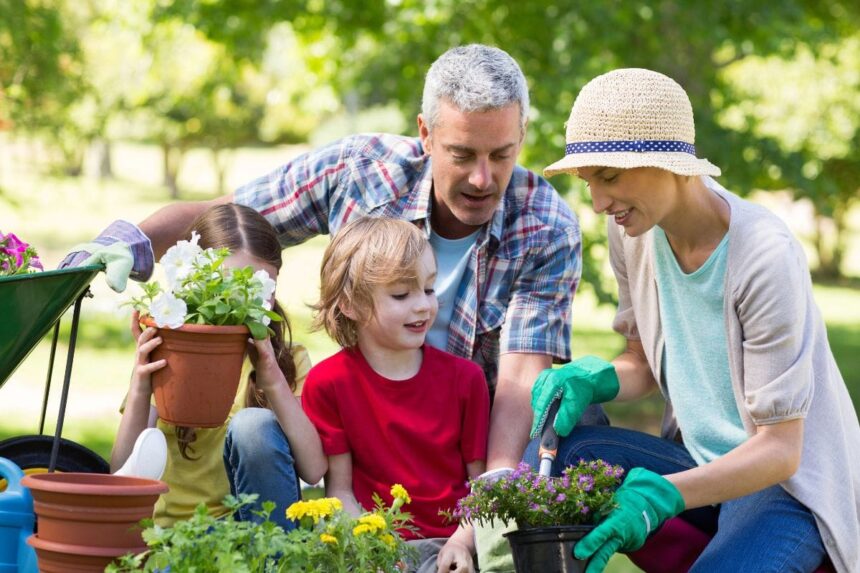
Learning how to start a garden might feel a bit overwhelming at first glance. You look at an empty patch of dirt and wonder how it will ever turn into juicy tomatoes or bright, blooming zinnias.
- Why Starting a Garden is Worth Your Time
- Step 1: Planning Your Garden Layout
- Step 2: Prepping Your Soil for Success
- Step 3: Choosing the Right Plants
- Step 4: The Basics of Garden Maintenance
- Frequently Asked Questions (FAQs)
Here’s the thing. Gardening is mostly about trial, error, and having a little bit of patience. You do not need a magical green thumb to be successful.
By following a few simple steps, you can transform any patch of grass or sunny balcony into a thriving green space. If you want to know how to start a garden from scratch, you are in the right place. Let’s break it down into easy, actionable steps.
Why Starting a Garden is Worth Your Time
To be honest, growing your own food changes the way you look at the grocery store. There is nothing quite like pulling a fresh, crisp carrot right out of your own soil. The flavor is entirely different from anything you buy in a plastic bag.
But figuring out how to start a garden is also a massive boost for your mental health. Digging in the dirt relieves stress and forces you to unplug and get outside in the fresh air.
Plus, it is incredibly rewarding to watch a tiny, dried seed become a massive plant. Whether you want a few pots of basil or a backyard farm, the effort is absolutely worth it.
Step 1: Planning Your Garden Layout
Before you buy a single seed, you need a solid plan. It is so tempting to rush to the garden center and buy every single plant that looks pretty.
But if you want to know how to start a garden the right way, you have to strategize first. Grab a piece of paper and sketch out your yard.
Picking the Perfect Spot
Most vegetables and flowering plants need plenty of sunlight to thrive. You want to find a spot in your yard that gets at least six to eight hours of direct sun every single day.
Watch your yard throughout the day to see exactly where the shadows fall. Avoid planting too close to large, established trees, as their roots will steal water and essential nutrients from your new plants.
Gathering Your Basic Tools
You do not need a shed full of expensive equipment to get growing. Getting the right gear makes learning how to start a garden much more enjoyable.
Pick up a sturdy trowel, a good pair of gardening gloves, and a watering can or hose. As you expand over the years, you can look into bigger tools like large shovels and hoes.
Deciding Between Raised Beds and In-Ground
You have two main choices for a traditional outdoor garden layout. You can dig right into the earth, or you can build wooden boxes to sit on top of the grass.
What’s interesting is that both methods work perfectly fine. They each have unique pros and cons depending on your physical space and budget.
The Benefits of Raised Beds
Raised beds warm up much faster in the spring, which lets you plant a bit earlier. They also give you complete control over the soil quality right from day one.
If your yard has heavy clay or rocky dirt, raised beds are usually the smartest choice. They also save your back and knees from excessive bending over!
Step 2: Prepping Your Soil for Success
Great plants come from great soil. You simply cannot skip this part. When friends ask me how to start a garden, I always tell them to focus heavily on the dirt first.
If you have healthy, nutrient-rich soil, your plants will do most of the hard work for you.
Testing Your Dirt
You do not need a fancy chemistry degree to test your soil. Simple home testing kits from the local hardware store can tell you the pH level of your dirt in minutes.
Most vegetables prefer a slightly acidic to neutral pH, somewhere between 6.0 and 7.0. If your soil is too acidic or too alkaline, plants struggle to absorb food.
Adding Compost and Nutrients
If your native soil is looking a bit dry and tired, it needs a serious boost. Mix in a thick layer of organic compost before you plant a single seed.
Compost acts like a natural, slow-release vitamin for your plants. It improves drainage in heavy clay soils while helping sandy soils hold onto the right amount of moisture.
Step 3: Choosing the Right Plants
This is the really fun part of the process. Deciding what to grow is exactly why so many people search for how to start a garden in the first place.
What Grows Well in Your Zone?
Not every plant grows everywhere, unfortunately. Check your local plant hardiness zone online to see what survives your specific winters and summers.
Local nurseries are a great resource for this. They typically only stock plants and seeds that actually survive in your local climate.
Starting with Easy Vegetables
Do not make things too hard on yourself your very first year. Stick to crops that are highly forgiving and grow relatively quickly.
The faster you see tangible results, the more encouraged you will feel to keep going.
Top Picks for Beginners
Radishes, lettuce, and bush beans are incredibly easy to grow straight from seeds. You can push them into the dirt and see sprouts in just a week.
If you want tomatoes or peppers, buy small starter plants (called transplants) instead of starting from tiny seeds. Zucchini is another great option, but be warned—one healthy plant will give you more squash than your whole family can eat!
Adding Flowers for Pollinators
You absolutely need bees and butterflies to help your vegetables grow. They move pollen around so your plants can actually produce food.
Planting marigolds, sunflowers, or sweet alyssum near your veggies attracts these helpful insects. Plus, it makes your garden look absolutely beautiful.
Step 4: The Basics of Garden Maintenance
Now that your plants are safely in the ground, you have to keep them alive and happy. Learning how to start a garden is only step one.
Step two is learning how to maintain it through the hot summer months.
Watering Wisely
Overwatering kills just as many beginner plants as underwatering does. Always water the base of the plant, right at the soil level where the roots are.
Getting the leaves wet can easily lead to fungal diseases and rot. Check the soil with your finger—if it feels dry an inch down, it is time to give them a drink.
Keeping Weeds at Bay
Weeds are garden bullies. They steal valuable water and nutrients from your carefully planted crops.
Make it a habit to pull a few weeds every single time you walk by your garden. Staying on top of it makes the job much easier.
The Magic of Mulch
Adding a thick layer of organic mulch around your plants is a highly effective way to block weeds. Mulch blocks the sunlight so weed seeds cannot sprout.
It also helps lock in soil moisture, meaning you will not have to water quite as often during July and August.
Managing Pests Organically
No matter how careful you are, bugs will eventually find your plants. Aphids and caterpillars love fresh green leaves just as much as we do.
Do not reach for harsh chemicals right away. Often, a strong blast from the garden hose is enough to knock pests off your plants. You can also use natural solutions like neem oil to keep the bad bugs away safely.
Frequently Asked Questions (FAQs)
You probably still have a few specific questions about how to start a garden. Here are the most common things beginners ask when they are just getting their hands dirty.
1. What is the easiest plant to grow for beginners?
Radishes are arguably the easiest and fastest crop. You can plant a radish seed and harvest a crunchy vegetable in less than 30 days. For flowers, marigolds are incredibly tough, cheerful, and very hard to kill.
2. How much does it cost to start a garden?
It really depends on your personal approach. Figuring out how to start a garden on a budget is completely doable. A packet of seeds costs just a few dollars, so a simple in-ground garden can be very cheap. If you build cedar raised beds and buy premium bagged soil, you might spend a couple of hundred dollars to get set up.
3. Do I need full sun for a vegetable garden?
Most fruiting vegetables (like tomatoes, cucumbers, and peppers) need at least six hours of direct sun to produce a good harvest. However, leafy greens like spinach, lettuce, and kale can actually tolerate a bit of partial shade and still grow beautifully.
4. When is the best time to start planting?
For most regions, spring is the golden season to get outside. Wait until the danger of the last frost has completely passed before moving tender plants outside. You can easily check your local frost dates online by typing in your zip code.
5. How often should I water my new garden?
Newly planted seeds need light, daily watering to stay moist so they can sprout properly. Once the plants are bigger and established, deep watering two to three times a week is usually much better than a light sprinkle every single day.
Continue reading: The Truth About the Travel Led Lifestyle (And Why Everyone Is Doing It)