

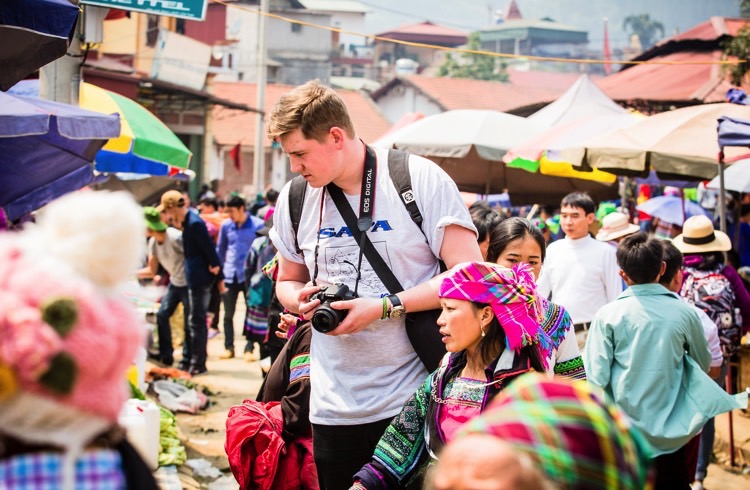
Travel led living is completely changing how we think about our daily routines. People no longer wait until retirement to see the world.
Instead, they are packing their bags right now. They want their careers and personal goals to follow their passports, not the other way around.
The thing is, we used to build our lives around an office building. Now, millions are choosing to build their lives around a boarding pass.
Before we jump in, here is a quick look at what this movement actually looks like by the numbers.
| Trend Factor | Description |
|---|---|
| Core Concept | Prioritizing location independence and experiences over physical items. |
| Target Demographic | Remote workers, digital nomads, and experience-driven families. |
| Visa Availability | Over 50 countries now offer digital nomad or remote work visas. |
| Economic Impact | Boosts local economies through long-term rentals and daily spending. |
| Growth Driver | The massive shift to flexible, work-from-anywhere company policies. |
What Does It Actually Mean?
I’ll be honest, the idea can sound like a hashtag for influencers. But the reality is incredibly practical for normal people.
A travel led approach simply means making life decisions based on mobility. You choose jobs, leases, and even relationships that allow you to move freely.
You stop buying heavy furniture and start collecting passport stamps.
Swapping Stuff for Experiences
People are tired of filling big houses with things they never use. We are seeing a massive shift toward minimalism.
When you live a travel led life, you realize how little you actually need. A suitcase and a good backpack suddenly feel like enough.
What’s actually interesting is that this makes people happier.
The Psychology Behind It
Science backs this up completely. Buying an object gives you a quick spike of joy, but it fades fast.
Experiences provide a lasting sense of fulfillment. You remember hiking a volcano in Guatemala long after you forget buying a new television.
Psychologists note that sharing these travel memories helps us connect better with others.
How We Got Here
This shift did not happen overnight. The desire to roam has always been there, but the tools were missing.
A few years ago, cheap flights and booking apps made short trips easier. Then, the whole world changed its working habits.
That shift opened the door for long-term exploration.
The Remote Work Revolution
Millions of workers suddenly realized their physical office was pointless. If you only need a laptop, you can work from a beach in Mexico.
Companies were forced to trust their employees. As a result, the travel led movement exploded.
People traded their cubicles for cafes in Lisbon and Bali.
Tourists vs. Nomads
There is a huge difference between going on vacation and living on the road. Tourists want a quick escape from reality.
Nomads want reality to look different every few months. They rent apartments, cook at home, and learn the local language.
They are temporary locals, not just visitors passing through.
The Real-World Impact
When millions of people change how they live, the global economy feels it.
Countries are realizing that long-term visitors are incredibly valuable. They do not just spend money at famous landmarks.
They integrate into the community and spend cash at neighborhood spots.
Changing Local Economies
A travel led visitor pays rent, buys groceries, and uses local gyms.
This creates a steady stream of income for towns that used to rely entirely on summer tourists.
Winter or summer, these digital workers keep local economies buzzing.
Boosting Small Businesses
Long-term travelers usually hate tourist traps. They want authentic experiences.
They prefer buying coffee from the family-owned shop down the street.
This habit directly supports small business owners who often struggle to compete with massive hotel chains.
Hotels Are Waking Up
Speaking of hotels, the hospitality industry is scrambling to catch up. A tiny desk and a weak internet connection do not cut it anymore.
People need ergonomic chairs and dedicated co-working spaces.
Many hotel brands are completely redesigning their lobbies to attract the travel led crowd. They are building community hubs instead of just waiting rooms.
Brands Joining the Movement
Corporate marketing teams are watching this trend closely. They see that consumers value freedom and flexibility.
Retail companies are changing their entire message. They want to align with this nomadic mindset.
Real Stories Sell
Consumers ignore polished, fake studio ads now. They want to see real mud on hiking boots.
Brands are sending real people on trips to test their gear.
When marketing feels authentic, people actually pay attention. They want to buy products that help them live a travel led lifestyle.
Destination Marketing Flips
Tourism boards are completely rewriting their playbooks.
A picture of a pretty beach is nice, but showing a fast internet connection is better.
Cities are advertising their safe neighborhoods and great coffee shops to attract remote workers for six-month stays.
How to Try It Yourself
Jumping into a travel led routine takes some careful planning. You cannot just book a flight and hope for the best.
You need to think about logistics, time zones, and your own mental health.
Picking the Right Spot
Do not base your decision solely on Instagram photos. You need real infrastructure to make this work.
Check the local internet speeds and healthcare options before you sign a lease.
Make sure there is a solid grocery store nearby.
Avoiding Burnout
The biggest mistake new travelers make is trying to do too much. You cannot explore a new city all day and work a full shift at night.
You have to set strict boundaries for yourself.
Take a day off just to sit on the couch and watch a movie. Rest is required, even in paradise.
Frequently Asked Questions (FAQs)
What is a travel led lifestyle?
It is a way of living where you organize your career and personal choices around exploring new places. You prioritize flexibility and location independence over staying in one permanent spot.
Do I need to be rich to do this?
Not at all. Many travel led individuals actually save money by moving from expensive cities to countries with a lower cost of living. It all depends on your budget and destination choices.
Can families join this trend?
Absolutely. Many parents are taking their kids on the road, utilizing online schooling and remote work. They believe seeing the world is the best education a child can get.
How do you handle taxes?
Taxes depend entirely on your home country and how many days you spend in a foreign location. You usually trigger tax residency after spending about six months in one place. Always talk to a certified accountant.
Is it lonely on the road?
It certainly can be. Moving around makes it tough to maintain deep friendships. Successful nomads put a lot of effort into joining local clubs, attending meetups, and staying connected with friends back home.
Continue reading: The Ultimate gluten free fast food Options