

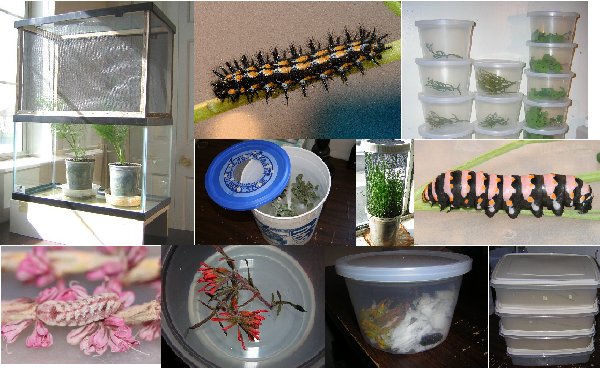
Caterpillar housing is a phrase that confuses a lot of people the first time they hear it. Are we talking about a tiny house you build for a pet caterpillar? Or the natural shelter caterpillars make on their own? Honestly, it can mean both, depending on who’s asking. So let’s clear it up in plain terms.
- What Does Caterpillar Housing Actually Mean?
- The Caterpillar’s Place in the Life Cycle
- Natural Caterpillar Housing in the Wild
- Caterpillar Habitat: What They Need to Survive
- Caterpillar Housing at Home
- Protective Structures Caterpillars Build
- Common Misconceptions About Caterpillar Housing
- Why Caterpillar Housing Matters in Different Fields
- Key Facts Worth Remembering
- Related Context: Caterpillars and the Bigger Picture
- What We Still Don’t Fully Know
- Final Thoughts on Caterpillar Housing
In this post, we’ll look at what caterpillar housing really means, how these little creatures live in the wild, and why this topic matters for gardeners, teachers, and curious folks alike.
What Does Caterpillar Housing Actually Mean?
Here’s the thing. “Caterpillar housing” isn’t a single official term in biology. It usually refers to the shelter or living space a caterpillar uses during its larval stage.
That space might be a folded leaf, a silk tent, or a simple enclosure you set up at home to watch one grow. The meaning shifts based on context, but the core idea stays the same: it’s where a caterpillar stays safe while it eats and grows.
The Caterpillar’s Place in the Life Cycle
Before we talk about shelter, it helps to know where caterpillars fit. A caterpillar is the larval stage of a butterfly or moth.
The butterfly life cycle goes egg, then larva (the caterpillar), then pupa, then adult. Caterpillars spend most of their early life doing one thing: eating. They munch leaves almost nonstop so they can store energy for the next big change.
That’s why their housing matters so much. A safe spot means more eating and less getting eaten.
Natural Caterpillar Housing in the Wild
In nature, caterpillars don’t build cozy little homes the way birds build nests. Their “housing” is more about using what’s around them.
Folded and Rolled Leaves
Some caterpillars roll or fold a leaf and tie it shut with silk. This creates a small hideout. They rest inside during the day and feed at night, away from hungry birds.
It’s simple but smart. The leaf acts as both food and a wall.
Silk Tents and Webs
You’ve probably seen those messy silk nests in trees. Tent caterpillars make these. A bunch of them work together, spinning a shared shelter where they gather between feedings.
What’s interesting is that these tents help with temperature too. The inside stays a bit warmer, which helps the larvae stay active on cool mornings.
Hiding on Host Plants
Many caterpillars just blend into their host plant. The host plant is the specific plant a caterpillar feeds on. For monarchs, that’s milkweed. For others, it might be oak, parsley, or grasses.
The plant gives them food and cover at the same time. So in a way, the host plant becomes their housing.
Caterpillar Habitat: What They Need to Survive
A good caterpillar habitat comes down to a few basics. Get these right and the caterpillar usually thrives.
- Food source: the correct host plant, fresh and pesticide-free
- Shelter: something to hide under or inside
- Right temperature: not too hot, not too cold
- Moisture: humidity that isn’t extreme either way
To be honest, most caterpillars are pickier about food than shelter. Many species only eat one or two plant types. No milkweed means no monarch caterpillars, full stop.
Caterpillar Housing at Home
Lots of people raise caterpillars to watch the change into a butterfly or moth. This is where a built enclosure comes in.
Simple Enclosures That Work
A mesh pop-up cage is a popular choice. Air flows through, you can see inside, and there’s room for a plant cutting. Some people use a clear jar with a breathable lid, though airflow matters a lot here.
The goal is a clean, ventilated space with the right host plant inside.
Keeping the Space Clean
Caterpillars produce a surprising amount of droppings, called frass. You’ll want to clean this out daily.
A dirty enclosure can grow mold or spread disease. Fresh leaves and a tidy space keep things healthy.
Room to Pupate
When a caterpillar is ready to transform, it needs space. A butterfly caterpillar forms a chrysalis, often hanging from a twig or the cage roof.
Moth larvae usually spin a cocoon instead, sometimes in soil or leaf litter. So if you’re raising moths, a layer of substrate at the bottom helps.
Protective Structures Caterpillars Build
Caterpillars have some clever tricks for staying safe. Their housing often doubles as armor.
Silk as a Building Tool
Silk is the caterpillar’s main material. They use it to tie leaves shut, anchor themselves, and build shelters. The same silk later helps form the cocoon in many moth species.
Camouflage and Cover
Some caterpillars carry bits of debris on their backs. Others look exactly like bird droppings or twigs. It’s not housing in the usual sense, but it serves the same purpose: staying hidden.
Common Misconceptions About Caterpillar Housing
There are a few myths worth clearing up.
“Caterpillars Build Cocoons”
This one’s mixed up a lot. Butterfly caterpillars form a chrysalis, which is a hardened casing. Cocoons are made by moth larvae using silk. The two aren’t the same thing.
“Any Plant Will Do for Food”
Nope. Most caterpillars are fussy eaters tied to specific host plants. Putting the wrong leaf in won’t help and may leave them hungry.
“Caterpillars Need a Fancy Home”
They really don’t. A clean, ventilated space with the right plant beats any expensive setup. Simple usually works best.
Why Caterpillar Housing Matters in Different Fields
This little topic pops up in more places than you’d expect.
In Education
Teachers use caterpillar housing to teach kids about the butterfly life cycle. Watching a caterpillar move through the larval stage to a chrysalis and then an adult is a hands-on biology lesson that sticks.
In Gardening
Gardeners think about this when planting. Adding host plants invites butterflies and supports a healthy garden ecosystem. A garden with milkweed, dill, or native shrubs becomes natural caterpillar housing.
In Biology and Research
Scientists study how insect shelter affects survival. Things like silk tents, leaf rolls, and pupation sites tell us a lot about how species adapt.
In Pest Management
Here’s the flip side. Some caterpillars are pests. Knowing their housing habits, like where tent caterpillars cluster, helps people manage them without overusing chemicals.
Key Facts Worth Remembering
Let me pull together the main points in a quick list.
- Caterpillar housing usually means the shelter a larva uses, natural or built
- The larval stage is all about eating and growing
- Host plants double as food and cover in the wild
- Silk helps build tents, leaf shelters, and cocoons
- Butterflies form a chrysalis; moths often spin a cocoon
- A clean, ventilated enclosure works best at home
Related Context: Caterpillars and the Bigger Picture
Caterpillars don’t live in a bubble. They’re part of a wider web.
Birds, wasps, and other insects rely on them as food. Plants depend on the eventual adults for pollination. Remove caterpillars from a garden ecosystem and you’d feel the ripple effects fast.
So when you set up caterpillar housing, whether in a cage or by planting host plants, you’re supporting something bigger than one bug.
What We Still Don’t Fully Know
Not everything about caterpillar shelter is settled. The exact reasons some species choose certain leaf shapes, or how some build such complex silk structures, aren’t always clear.
I’d rather say that honestly than pretend we have every answer. Researchers are still learning, and that’s part of what makes the topic interesting.
Final Thoughts on Caterpillar Housing
So there you have it. Caterpillar housing covers everything from a folded leaf in the wild to a mesh cage on your kitchen table. The basics stay simple: the right food, safe cover, and room to grow.
Whether you’re a gardener planting for butterflies, a teacher running a classroom project, or just someone curious about moth larvae and the butterfly life cycle, understanding caterpillar housing makes the whole process easier and a lot more fun to watch.
Continue reading: Edna Louise Scottron: Biography, Family Background, and Her Legacy as Lena Horne’s Mother