
When people talk about an asian house, they usually picture clean lines, natural materials, and a calm, balanced feel. But the term covers a lot more than one single look. It can mean a traditional Japanese home, a Chinese courtyard house, a Thai stilt house, or even a modern home that borrows ideas from across the continent.
- What Does “Asian House” Actually Mean?
- Common Themes You’ll Notice
- Traditional Styles Around the Region
- Japanese Homes
- Chinese Courtyard Houses
- Thai and Southeast Asian Stilt Homes
- Indian and South Asian Homes
- How Climate Shapes the Asian House
- The Role of Natural Materials
- Layout and Flow Inside an Asian House
- Cultural Influences That Shape Design
- Modern Asian House Inspiration
- Bringing Asian House Ideas Into Your Own Home
- Mistakes to Avoid
- Why This Style Keeps Growing
- Final Thoughts
Here’s the thing: Asia is huge, and its housing styles are just as varied. So let’s break it all down in a simple way.
What Does “Asian House” Actually Mean?
To be honest, there’s no single definition. An asian house is really a broad label for homes shaped by the cultures, climates, and traditions found across Asia.
Some are centuries old. Others are sleek, modern builds inspired by old design ideas. What ties them together is a shared love for harmony, nature, and practical living.
Common Themes You’ll Notice
Across many Asian homes, a few design ideas keep showing up. They’re not strict rules, but you’ll spot them again and again.
- A strong connection to nature
- Simple, uncluttered spaces
- Natural materials like wood, bamboo, and stone
- Open layouts that allow airflow
- A sense of balance and calm
What’s interesting is how these themes adapt to local weather and customs. A home in tropical Thailand looks different from one in cooler northern China, yet both feel rooted in the same spirit.
Traditional Styles Around the Region
Let’s look at a few classic styles. Each one tells you something about the place it comes from.
Japanese Homes
Japanese houses are famous for minimalism. Think sliding paper doors (shoji), tatami mat floors, and rooms that can change purpose easily.
Wood plays a big role here. So does the idea of leaving space empty on purpose, which gives the home a peaceful feel.
Chinese Courtyard Houses
The classic Chinese siheyuan is built around a central courtyard. Rooms face inward, creating a private, sheltered space for the family.
This layout isn’t just pretty. It also helps with privacy, light, and airflow, which mattered a lot before modern cooling existed.
Thai and Southeast Asian Stilt Homes
In warmer, wetter regions, you’ll see homes raised on stilts. This keeps the living area dry during floods and lets cool air pass underneath.
These houses often use bamboo and timber, and they have steep roofs to handle heavy rain. Practical and beautiful at the same time.
Indian and South Asian Homes
Traditional homes in India often follow Vastu Shastra, an old set of design principles. The idea is to arrange rooms in a way that brings positive energy and good flow.
Many older homes also feature inner courtyards, thick walls for heat protection, and decorative touches that reflect local craft.
How Climate Shapes the Asian House
You can’t really separate design from weather. A lot of what makes an asian house unique comes down to dealing with heat, rain, or cold.
In hot areas, you’ll find shaded verandas, high ceilings, and open windows. In colder zones, homes are built tighter and warmer. Smart design, not just style.
The Role of Natural Materials
Wood, stone, clay, and bamboo show up everywhere. There’s a good reason for that.
These materials were local, affordable, and easy to work with. They also age well and blend into the surroundings, which fits the whole “harmony with nature” idea.
Why Wood Stays Popular
Wood is warm, flexible, and renewable. In many Asian homes, exposed beams and wooden floors aren’t just structural, they’re part of the beauty.
Bamboo as a Building Star
Bamboo grows fast and is surprisingly strong. It’s used for walls, floors, furniture, and even whole structures in some regions.
Layout and Flow Inside an Asian House
Inside, the focus is usually on openness and function. Rooms tend to flow into each other rather than being boxed off.
Many traditional homes also blur the line between indoors and outdoors. A garden, courtyard, or veranda often feels like part of the living space.
The Importance of Open Space
Empty space isn’t wasted space here. It gives the eye somewhere to rest and makes a home feel larger and calmer.
Multi-Use Rooms
In smaller homes, one room might serve several roles. Japanese homes are a great example, where bedding gets folded away so a bedroom becomes a living area by day.
Cultural Influences That Shape Design
Beyond climate, beliefs and customs play a big part. Many design choices come from ideas about balance, family, and respect for nature.
Take feng shui in Chinese culture. It guides how furniture, doors, and rooms are placed to encourage good energy. Vastu does something similar in India.
These aren’t just superstitions to the people who follow them. They’re a thoughtful way of living in tune with your surroundings.
Modern Asian House Inspiration
Now let’s talk about today. Modern architects love pulling from these traditions while adding clean, contemporary touches.
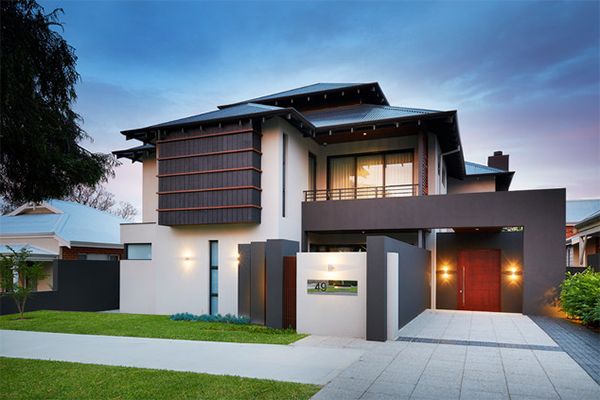
A modern asian house might use big glass walls, concrete, and steel, yet still keep that calm, natural feel. The goal is comfort without clutter.
Blending Old and New
For instance, a designer might pair a traditional wooden frame with modern energy-saving windows. Or add a Zen-style garden to a sleek city apartment.
This mix keeps the soul of the old style while fitting modern life. It’s one reason Asian-inspired homes are popular worldwide.
Minimalist Interiors
Minimalism is a big trend, and it owes a lot to Japanese design. Fewer items, neutral colors, and natural light create a restful space.
If you want this look at home, start small. Clear the clutter, add a wood or bamboo element, and let in more daylight.
Bringing Asian House Ideas Into Your Own Home
You don’t need to live in Asia to enjoy this style. A few simple changes can capture the feel.
- Use natural materials like wood and stone
- Keep colors soft and earthy
- Add plants or a small indoor garden
- Choose simple, low furniture
- Let in plenty of natural light
Even one or two of these can shift the mood of a room. The key is balance, not buying everything at once.
Mistakes to Avoid
A few common slip-ups can ruin the effect. Here’s what to watch for.
First, don’t overcrowd. The whole point of an asian house style is calm, open space. Too much stuff defeats it.
Second, avoid clashing materials. Stick to a natural, cohesive palette. And don’t force decorations just to look “Asian,” since that can feel fake instead of authentic.
Why This Style Keeps Growing
People are tired of busy, cluttered homes. The asian house approach offers something different: peace, simplicity, and a real link to nature.
It also tends to be practical. Good airflow, smart layouts, and durable materials make these homes pleasant to live in year after year.
Final Thoughts
An asian house isn’t one fixed look. It’s a rich mix of styles shaped by culture, climate, and centuries of smart design. From Japanese minimalism to Thai stilt homes, each version shares a love for nature and balance.
If you want to bring some of that feeling into your own space, start simple. Add natural materials, clear the clutter, and let in light. Small steps like these can turn any room into a calmer, more inviting place.
Continue reading: Carlos Sheinbaum Yoselevitz: The Mexican Chemist and Businessman Behind a Presidential Legacy