

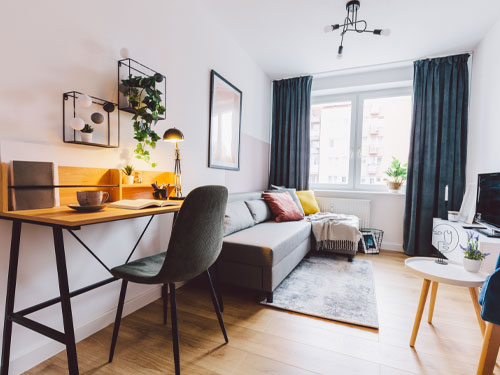
A special housing area is a specific piece of land that a government or local authority sets aside to speed up new home building, usually with simpler planning rules than normal. The whole point is to get houses built faster, often in places where housing demand is high and supply is tight. It’s a planning tool more than anything else.
- What Is a Special Housing Area?
- Why Do Special Housing Areas Exist?
- How a Special Housing Area Works in Planning
- The Role of Government and Local Authorities
- The Developer’s Side
- What It Means for Buyers and Residents
- Possible Benefits of a Special Housing Area
- The Risks and Public Concerns
- How It Differs by Region
- How These Areas Fit Into Bigger Housing Policy
- A Quick Note on Getting Accurate Information
- Practical Summary
Here’s the thing though. The exact meaning can shift depending on the country you’re in. So let’s break it down properly.
What Is a Special Housing Area?
At its core, a special housing area is a designated zone where building new homes becomes easier and quicker. The idea is to cut through some of the usual red tape that slows down residential development.
In normal cases, getting land approved for housing can take years. A special housing area tries to shorten that timeline. It does this by relaxing certain planning rules or by fast-tracking the approval process.
To be honest, the term became most well known in New Zealand, where it was used as part of a national push to fix a housing shortage. But the basic concept shows up in other places under different names too.
The Simple Version
Think of it like this. A government says, “We need more homes here, and we need them soon.” So they mark out land, ease the planning rules, and let developers get moving faster than usual.
Why Do Special Housing Areas Exist?
The main reason is housing demand outpacing housing supply. When a city grows fast and not enough homes get built, prices climb. Rents rise too. People struggle to find affordable housing.
A special housing area is meant to be a fix for that gap. By speeding up land supply and approvals, more homes can reach the market sooner.
What’s interesting is that this approach treats slow planning as part of the problem. The thinking goes: if you remove the delays, you remove a big chunk of the housing shortage.
How a Special Housing Area Works in Planning
This is where zoning and planning rules come in. A special housing area usually overrides or adjusts the standard zoning for that land.
Normally, land has a fixed use under local planning law. You can’t just build apartments on farmland. But within a special housing area, those restrictions may be loosened to allow more residential building.
Faster Consent and Approvals
One big feature is faster consent. Developers can often get building approvals in a shorter timeframe than the usual process allows.
This speed is the whole selling point. It’s also where a lot of the debate sits, which we’ll get to.
Density and Design Rules
Some special housing areas allow higher density. That means more homes packed into the same space, like townhouses or apartments instead of single houses.
Design rules may still apply, but they’re often more flexible. The goal is to make building practical rather than restrictive.
The Role of Government and Local Authorities
Government and local government both play a part here. National policy usually sets the framework, while the local council manages the day-to-day side.
Local authorities often decide which pieces of land become special housing areas. They also handle infrastructure planning, like roads, water, and sewerage.
Here’s the thing, though. Local councils don’t always love these zones. Some feel they lose control over their own planning decisions when central government pushes faster development.
Balancing Local and National Goals
There’s a constant tug-of-war. The national government wants more homes built quickly. The local community wants careful, well-planned growth. A special housing area sits right in the middle of that tension.
The Developer’s Side
For property developers, a special housing area can be a big win. Faster approvals mean lower holding costs and quicker returns.
Developers also get more certainty. When land is already marked for housing with eased rules, the risk of a long rejection drops.
That said, developers still have to fund infrastructure in many cases. Building roads, drainage, and utilities isn’t cheap, and that cost shapes how a project pans out.
What It Means for Buyers and Residents
For home buyers, more supply can mean more choice. In theory, it can also help ease prices over time, though that’s not guaranteed.
For existing residents nearby, the picture is mixed. Some welcome new neighbors and better local services. Others worry about traffic, crowding, and the look of their area changing.
To be honest, this is one of the most emotional parts of the whole topic. People care deeply about their neighborhoods.
The Affordable Housing Question
A lot of special housing areas come with promises around affordable housing. The idea is that some homes will be priced for first-time buyers or lower-income families.
But whether that actually happens depends on the rules attached. Without firm requirements, developers may lean toward more profitable, higher-priced homes instead.
Possible Benefits of a Special Housing Area
Let’s lay out the upsides clearly.
- Faster home building in high-demand areas
- More land supply released for housing
- Reduced planning delays
- Potential for affordable housing options
- Support for growing urban development needs
When these work as intended, the benefits are real. More homes get built, and pressure on the market eases.
The Risks and Public Concerns
Now the other side. A special housing area isn’t free of problems, and the concerns are worth taking seriously.
Infrastructure Pressure
If homes go up faster than roads, schools, and pipes, you get strain. New residents need services, and infrastructure can lag behind the building.
Loss of Local Input
Faster approvals can mean less public consultation. Some residents feel shut out of decisions that affect their own streets.
Quality and Planning Concerns
Speed can sometimes hurt quality. Critics argue that rushing residential development may lead to poorly planned neighborhoods with little green space.
Affordability Doubts
There’s also no firm promise that prices fall. Building more homes helps, but housing markets are complex, and a single tool rarely fixes everything.
How It Differs by Region
This part matters a lot. The legal and policy side of a special housing area changes depending on where you are.
In New Zealand, the term had a specific legal meaning tied to a housing accord and special legislation. It was a clear, defined policy tool there.
Elsewhere, the same idea exists but goes by other names. You might hear about housing zones, growth areas, priority development areas, or fast-track housing schemes.
So if you read the term in one country, don’t assume it means exactly the same thing somewhere else. The housing policy behind it can differ a lot.
Where the Term May Be Used Loosely
Sometimes people use “special housing area” casually to describe any zone set aside for new homes. That’s not always a formal legal term in every country.
If you’re researching for a specific place, it’s worth checking the local planning rules directly. The details genuinely vary.
How These Areas Fit Into Bigger Housing Policy
A special housing area is rarely a standalone idea. It usually sits inside a wider housing policy aimed at fixing supply problems.
Governments often pair it with other steps, like infrastructure funding, land release programs, and zoning reform. On its own, it’s just one piece of the puzzle.
What’s interesting is how this reflects a broader shift in urban development thinking. More places are trying to make planning faster and more responsive to housing demand.
A Quick Note on Getting Accurate Information
Because rules differ so much, I’d avoid assuming specifics for your own area. If you need exact legal details, your local government or planning authority is the best source.
I’m being upfront here: the fine print on consent timelines, density limits, and affordable housing rules isn’t universal. It changes case by case.
Practical Summary
So, what’s the takeaway? A special housing area is a planning tool used to build homes faster by easing standard rules in a chosen zone.
It exists to tackle housing shortages and rising prices. Government and local authorities set the rules, developers do the building, and residents live with the results.
The benefits include quicker supply and possible affordable housing. The risks include infrastructure strain and reduced local input. And the exact meaning depends heavily on your country and its planning law.
If you remember just one thing, make it this: a special housing area is about speed and supply, but the details matter, and they’re never quite the same everywhere.
Continue reading: Alyxandra Beatris Brown