

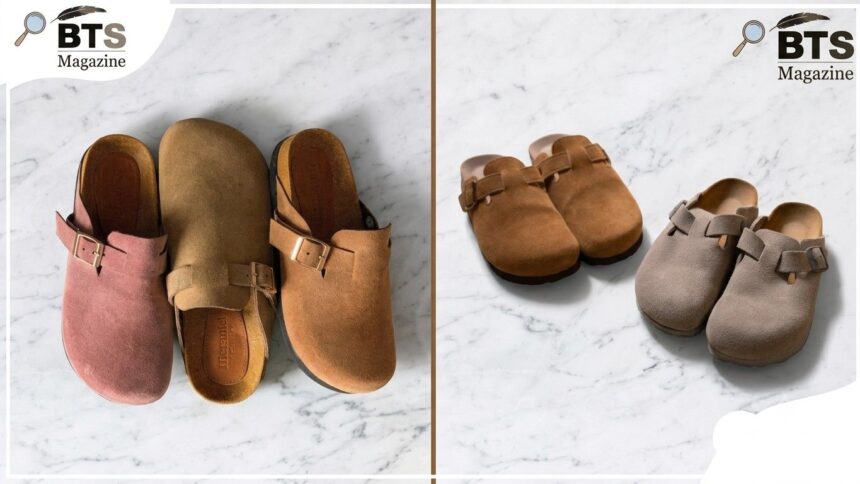
Clogs have been around for centuries, and somehow they keep finding their way back into our closets. One season they’re a practical work shoe, the next they’re strutting down fashion runways. Here’s the thing though — most people don’t really know much about them beyond the fact that they’re chunky and often made of wood.
So let’s fix that. In this post, we’ll walk through the history, the different styles, how people wear clogs today, and a few tips if you’re thinking about buying a pair.
What Are Clogs Exactly?
At their core, clogs are a type of footwear with a thick, rigid sole. Traditionally that sole was carved from wood, which is why so many people picture wooden shoes when they hear the word.
But in American English, the term has stretched a bit. These days, a clog can have a rigid sole made from other materials too, like rubber or cork. The shape and the chunky base are what really define them.
Why People Still Love Them
To be honest, clogs survive because they’re comfortable and easy. Most are slip-on shoes, so you just step in and go. No laces, no fuss.
They also offer solid support, which is a big reason nurses, chefs, and gardeners swear by them.
A Quick Look at the History of Clogs
The story of clogs goes back hundreds of years. Wooden footwear was popular across medieval Europe, mostly because it was cheap, sturdy, and kept feet dry.
Farmers and laborers were the first big fans. When you’re standing in mud or working in a damp field all day, a wooden sole makes a lot of sense.
How Clogs Spread Across Europe
Different regions developed their own versions over time. Each country shaped the design to fit its climate, work, and local materials.
What’s interesting is that despite all these variations, the basic idea stayed the same — a hard sole that protects and lasts.
From Workwear to Everyday Wear
For a long time, clogs were purely practical. They weren’t about looks at all. But slowly, people started decorating them, painting them, and turning them into something with a bit of personality.
That shift is part of why traditional shoes like these became cultural symbols, not just tools.
Dutch Clogs: The Most Famous of Them All
You can’t talk about clogs without mentioning the Netherlands. Dutch clogs, known locally as klompen, have been used there since medieval times.
These are the classic wooden shoes most of us imagine — sometimes plain, sometimes painted with bright colors and folk designs.
Why the Dutch Loved Them
The Netherlands has a lot of wet, soft ground. Wooden footwear kept feet dry and protected far better than leather did.
Some Dutch clogs were even painted to look like leather shoes, with a red motif on top. It was a clever way to dress up something so simple.
Are Dutch Clogs Still Worn?
Mostly, they’re a cultural icon now. You’ll see them in souvenir shops and at festivals more than on city streets.
That said, some farmers and gardeners in rural areas still wear them for actual work. They hold up surprisingly well.
Types of Clogs You’ll Come Across
Not all clogs look the same. The category has grown a lot over the years, so here’s a breakdown of the main styles.
Traditional Wooden Clogs
These are the original kind, carved fully from a single block of wood. They’re heavy, durable, and instantly recognizable.
You won’t see many people wearing these daily anymore, but they’re still made and loved as part of cultural heritage.
Leather-Top Clogs
This style keeps the rigid sole but adds a soft leather upper. It’s a comfortable middle ground.
A lot of work clogs you see in kitchens and hospitals fall into this group. They’re sturdy without being stiff.
Clog Sandals
Clog sandals are the warm-weather version. They keep the chunky sole but leave the back open and sometimes the toes too.
These have become popular casual shoes for summer because they’re breezy and easy to slip on.
Fashion Clogs
Then you’ve got the trendy ones. Fashion clogs come in all sorts of materials, heel heights, and colors.
Designers love bringing them back every few years, and to be honest, they always seem to find a fresh audience.
How People Wear Clogs Today
Clogs have a funny way of fitting into almost any wardrobe. You can dress them down with jeans or pair them with a flowy dress.
Because they’re slip-on shoes, they’re perfect for those days when you just want to grab something and head out the door.
Clogs at Work
Plenty of professionals rely on clogs for long shifts. The supportive sole helps when you’re on your feet for hours.
That’s why you’ll spot them so often in kitchens, clinics, and salons.
Clogs as Casual Style
Outside of work, clogs and clog sandals show up everywhere from coffee runs to weekend errands. They’re easy, and they add a little character to a plain outfit.
The Cultural Significance of Clogs
Clogs aren’t just footwear — in some places, they’re part of national identity. The Dutch klompen are a perfect example.
Folk dancers in several countries also use clogs because the wooden sole makes a satisfying clack against the floor. That sound is actually part of the performance.
Clogs in Dance and Music
There’s a whole tradition of clog dancing, where the rhythm of the shoes becomes the beat. It’s a small reminder that these shoes have meaning beyond walking.
A Symbol of Craftsmanship
Hand-carving a wooden shoe takes real skill. In regions where clog-making survives, it’s treated as a craft passed down through generations.
Buying Tips: How to Pick the Right Clogs
Thinking about getting a pair? Here are a few things worth keeping in mind before you buy.
Check the Sole
The sole is the heart of any clog. A good rigid sole gives you support, but make sure it isn’t so stiff that it hurts to walk.
If you’ll be on your feet a lot, look for a slightly cushioned footbed.
Consider the Material
Full wooden shoes look amazing but can feel hard. Leather-top or rubber clogs tend to be comfier for everyday use.
For summer, clog sandals are the obvious pick since they let your feet breathe.
Get the Fit Right
Clogs should hold your heel without pinching your toes. Since most are slip-on shoes, a fit that’s too loose will slide around.
Try them on later in the day when your feet are slightly swollen — that gives you a truer fit.
Match Them to Your Lifestyle
Be honest about how you’ll actually use them. Work clogs, casual clogs, and fashion clogs are built for different things, so pick the style that suits your day.
Are Clogs Worth It?
For a lot of people, yes. They’re comfortable, easy to wear, and they last a long time. Whether you want traditional shoes for the heritage feel or a practical pair for work, there’s a clog out there for you.
The fact that this footwear has stayed relevant for so many centuries says a lot. Trends fade, but clogs keep coming back.
Final Thoughts
Clogs have come a long way from muddy medieval fields to modern wardrobes. They’ve been workwear, cultural icons, dance shoes, and fashion statements — sometimes all at once.
If you want to explore the full backstory and the many regional styles in more detail, the Clog page on Wikipedia is a great place to keep reading. Either way, the next time you slip into a pair of these chunky-soled shoes, you’ll know there’s a whole lot of history under your feet.
Continue reading: Marianne Lake: The Rise of JPMorgan Chase’s Most Powerful Banking Executive