

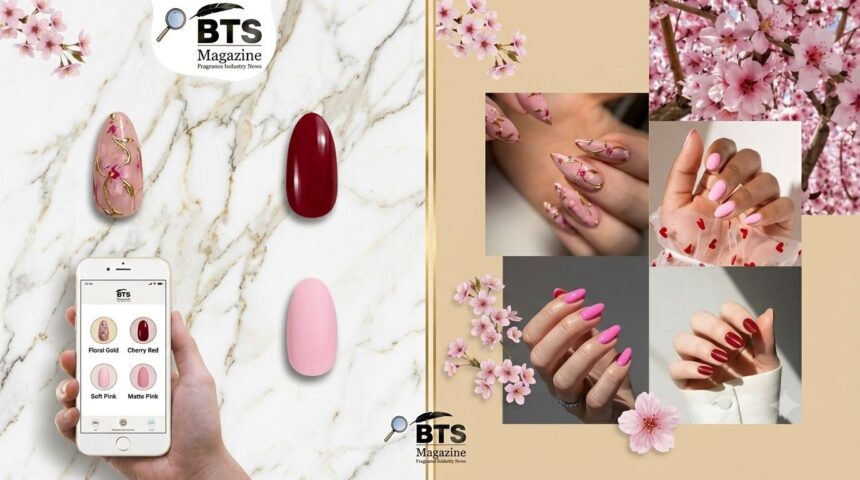
Pinkish nail color is something most of us notice but rarely think about. You glance down at your hands and see that soft pink shade, and everything seems fine. But here’s the thing—your nails can actually tell you a lot about your health.
- What Does a Pinkish Nail Actually Look Like?
- Why Are Nails Pink in the First Place?
- The Science Behind Nail Color
- Healthy Pink Nails vs. Unhealthy Ones
- What Causes Pinkish Nails?
- Related Nail Conditions Worth Knowing
- How to Keep Your Nails Healthy and Pink
- When Should You See a Doctor?
- Frequently Asked Questions
- 1. Is a pinkish nail a sign of good health?
- 2. Why do my nails sometimes lose their pink color?
- 3. Can diet change my nail color?
- 4. Are half pink, half white nails normal?
- 5. How can I make my nails look pinker naturally?
- Final Thoughts on Pinkish Nails
A pinkish nail is usually a sign that things are working the way they should. Still, the exact shade, texture, and how it changes over time can mean different things. Let’s break it all down in plain language.
What Does a Pinkish Nail Actually Look Like?
A healthy pinkish nail has a soft, even color across the whole nail plate. It looks smooth, slightly shiny, and the pink tone comes from the skin and blood vessels underneath.
To be honest, the color isn’t coming from the nail itself. Your nails are actually clear. That pink you see is the tissue below showing through.
Why Are Nails Pink in the First Place?
This part is pretty cool. The nail plate is see-through, so the color you notice is the nail bed underneath. That bed is packed with tiny blood vessels.
When blood flows through those vessels, it gives your nails that familiar pinkish glow. Good blood flow usually means a nice, healthy pink shade.
The Science Behind Nail Color
What’s interesting is that your blood plays the biggest role here. Blood carries hemoglobin, which is what makes it red. When light hits the nail bed, that red blood reflects back as pink.
So when someone has a healthy pinkish nail, it often points to steady blood flow and decent oxygen levels. Simple as that.
How Blood Flow Affects the Shade
If your circulation is strong, your nails tend to look brighter and pinker. When circulation drops—say, from cold weather—your nails might look pale or even a little blue for a while.
This is totally normal in most cases. Once you warm up, the pinkish nail color usually comes right back.
Healthy Pink Nails vs. Unhealthy Ones
Not every pink nail means the same thing. There’s a difference between a healthy pinkish nail and one that’s trying to send you a warning.
Healthy nails are smooth, evenly colored, and have that natural pink tone. Unhealthy nails might show odd spots, uneven color, ridges, or strange textures.
Signs of a Healthy Pinkish Nail
Here’s what to look for on the good side:
- Even pink color across the nail
- Smooth surface with no deep grooves
- A pale half-moon shape near the base
- Slight natural shine
If your nails check most of these boxes, you’re probably in good shape.
Warning Signs to Watch For
Now for the flip side. Some changes are worth paying attention to:
- Very pale or white nails
- Bluish or purple tones
- Yellow patches
- Half pink, half white coloring
If your usually pinkish nail suddenly changes color and stays that way, it might be worth chatting with a doctor.
What Causes Pinkish Nails?
The main cause is healthy blood flow and normal hemoglobin levels. When your body is doing its job, oxygen-rich blood keeps the nail bed looking pink.
A few things can boost or dull that shade—your temperature, activity level, and overall health all play a part.
Everyday Factors That Change Nail Color
Cold hands, tight gloves, or even sitting still for too long can temporarily change how pink your nails look. None of these are usually a big deal.
Warm up your hands or move around, and the color often bounces back fast.
Health-Related Causes
Sometimes a change in your pinkish nail links to something bigger. Low iron, poor circulation, or breathing issues can shift the color over time.
That doesn’t mean you should panic at the first sign. But steady, lasting changes deserve a closer look.
Related Nail Conditions Worth Knowing
A few nail conditions can affect that pink appearance, and they’re worth understanding.
Half and Half Nails
This one is interesting. Half and half nails, sometimes called Lindsay’s nails, show a white top portion and a red, pink, or brown lower half.
It’s a specific pattern that can be tied to certain health issues, so it’s good to recognize.
Pale or White Nails
When nails lose their pink and turn pale, it can point to low blood flow or low hemoglobin. If your once-pinkish nail looks washed out for a while, keep an eye on it.
Discolored or Yellow Nails
Yellowing can come from infections, certain products, or just aging. It usually doesn’t affect the pink tone directly, but it’s a common nail concern people ask about.
How to Keep Your Nails Healthy and Pink
Good news—keeping a healthy pinkish nail isn’t complicated. A few simple habits go a long way.
Eat for Strong Nails
Your nails love nutrients. Iron, protein, and vitamins help keep blood flowing and nails looking their best.
Leafy greens, eggs, nuts, and lean meats are all solid choices. A balanced diet often shows up right there in your nail color.
Keep Your Hands Warm
Since cold slows circulation, warm hands help your nails stay pink. Gloves in winter aren’t just for comfort—they help blood flow too.
Stay Hydrated
Water matters more than people think. Good hydration supports circulation and keeps your nails from getting brittle.
Be Gentle With Your Nails
Harsh chemicals and rough treatment can weaken nails. Use gloves when cleaning, and try not to over-file or pick at them.
A little care keeps that natural pinkish nail looking healthy for the long run.
When Should You See a Doctor?
Most nail color changes are harmless and pass on their own. But some are worth a professional opinion.
If your nails stay pale, blue, or oddly colored for days, or if you notice pain and swelling, don’t wait too long to ask a doctor.
Frequently Asked Questions
1. Is a pinkish nail a sign of good health?
Usually, yes. A soft, even pinkish nail often points to healthy blood flow and normal oxygen levels. It’s one of the easiest health cues to spot.
2. Why do my nails sometimes lose their pink color?
Cold temperatures and slow circulation are the most common reasons. If they stay pale for a long time, it could hint at low iron or other issues.
3. Can diet change my nail color?
It can. Nutrients like iron and protein support circulation and nail health, which affects that pink tone. Poor nutrition may leave nails looking dull.
4. Are half pink, half white nails normal?
Not always. This pattern can be linked to certain health conditions, so it’s smart to have it checked if it appears.
5. How can I make my nails look pinker naturally?
Focus on blood flow. Stay warm, eat well, drink water, and keep your hands moving. Healthy circulation naturally boosts that pinkish nail glow.
Final Thoughts on Pinkish Nails
Here’s the takeaway: your nails are more than just something to paint or trim. That soft pink shade is a quiet little health signal you can check any time.
Most of the time, a pinkish nail simply means your body is doing its job well. As explained in the Wikipedia entry on nail anatomy, when hemoglobin sits around 15 to 16 grams, most light gets absorbed and only the pink color reflects back—which is exactly why healthy nails look pink. Pretty neat when you think about it.
Continue reading: Proverbs 3:5-6 Explained: What It Really Means to Trust God With All Your Heart