

Proverbs 3:5-6 Explained is one of those Bible verses people keep coming back to, especially when life feels messy and confusing. You’ve probably seen it on coffee mugs, wall art, or maybe your grandmother’s kitchen towel. But what does it actually mean? Let’s break it down together, in plain language.
- What Does Proverbs 3:5-6 Say?
- Where Does This Verse Come From?
- Breaking Down Proverbs 3:5-6 Line by Line
- “Trust in the Lord With All Your Heart”
- “Lean Not on Your Own Understanding”
- “In All Your Ways Submit to Him”
- “And He Will Make Your Paths Straight”
- Why Do People Love Proverbs 3:5-6 So Much?
- The Bigger Picture in Proverbs Chapter 3
- Key Facts About Proverbs 3:5-6
- How Does This Fit Into Christian Faith Today?
- Common Misunderstandings About the Verse
- Practical Ways People Apply Proverbs 3:5-6
- Related Verses Worth Knowing
- Why the Wording Changes Between Bible Versions
- Frequently Asked Questions About Proverbs 3:5-6
- What is the main message of Proverbs 3:5-6?
- Who wrote Proverbs 3:5-6?
- Where can I find Proverbs 3:5-6 in the Bible?
- What does “lean not on your own understanding” mean?
- Is Proverbs 3:5-6 a good verse to memorize?
- Final Thoughts on Proverbs 3:5-6
Here’s the thing. This little passage packs a huge message about faith, trust, and letting go of control. And once you really understand it, it might change how you handle your worries.
What Does Proverbs 3:5-6 Say?
Let’s start with the actual words. Most people read it in the New International Version, which goes like this:
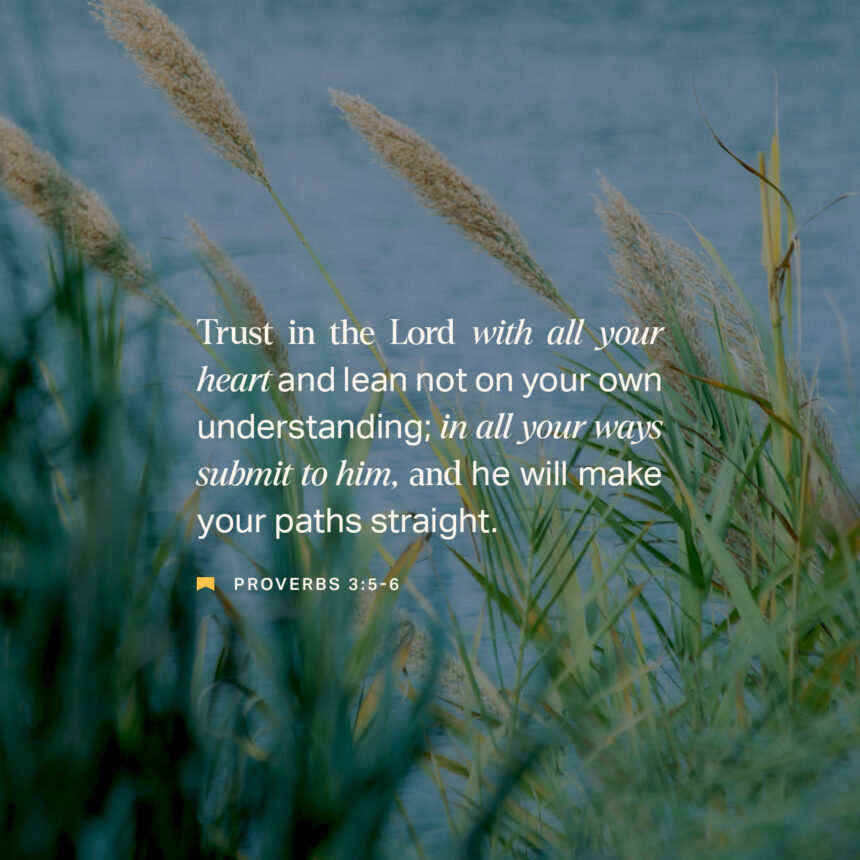
“Trust in the Lord with all your heart and lean not on your own understanding; in all your ways submit to him, and he will make your paths straight.”
Short, right? But there’s a lot going on in those two verses.
Where Does This Verse Come From?
Proverbs 3:5-6 sits inside the Book of Proverbs, which is part of the Hebrew Bible, or what Christians call the Old Testament. It’s found in chapter 3, tucked among a bunch of wise sayings about how to live a good life.
The whole book reads like advice from a caring parent to a child. Practical, honest, and sometimes a little blunt.
Who Wrote the Book of Proverbs?
To be honest, this is one of those spots where we should be careful. Tradition connects the Book of Proverbs mostly to King Solomon, who was known for his wisdom. The book itself names him at the start.
That said, scholars point out that Proverbs is actually a collection. Different sections seem to come from different authors and time periods. So while Solomon gets the main credit, it’s not a simple “one author wrote the whole thing” situation.
Breaking Down Proverbs 3:5-6 Line by Line
The best way to understand any verse is to slow down and read it piece by piece. So let’s do that.
“Trust in the Lord With All Your Heart”
This first line asks for full trust. Not half. Not “sort of.” All of it.
In the ancient world, the heart wasn’t just about emotions. It stood for your whole inner self, your thoughts, your will, your desires. So trusting with all your heart means holding nothing back.
“Lean Not on Your Own Understanding”
This is the part that trips people up. It doesn’t mean “stop thinking” or “ignore common sense.”
What’s interesting is that it’s really about pride. It warns against relying only on your own limited view of things. We don’t see the full picture, and this verse reminds us of that.
“In All Your Ways Submit to Him”
Here the focus shifts to action. It’s saying, invite God into everything. Not just the big church moments, but the small daily choices too.
Your job, your relationships, your money decisions. All of it.
“And He Will Make Your Paths Straight”
This is the promise part. When you trust and follow, the road ahead gets clearer.
A “straight path” back then meant a smooth, direct route without obstacles. It’s a picture of guidance and direction, not a guarantee that life will be easy.
Why Do People Love Proverbs 3:5-6 So Much?
There’s a reason this passage shows up everywhere. It speaks to something we all feel: uncertainty.
We plan, we worry, we overthink. Then this verse gently says, “You don’t have to carry all of that alone.” That message hits home for a lot of people, whether they’re deeply religious or just curious.
The Bigger Picture in Proverbs Chapter 3
Proverbs 3:5-6 doesn’t stand alone. The whole chapter is about biblical wisdom and how it shapes a good life.
Right before these verses, chapter 3 talks about not forgetting God’s teaching. Right after, it mentions honoring God with what you have. So these two verses fit into a bigger flow about living wisely and staying humble.
Key Facts About Proverbs 3:5-6
Let’s keep some quick details straight, since people search for these a lot.
| Detail | Information |
|---|---|
| Book | Book of Proverbs |
| Testament | Old Testament (Hebrew Bible) |
| Chapter | Proverbs 3 |
| Verses | 5 and 6 |
| Traditional author | King Solomon |
| Main theme | Trust in the Lord, humility, divine guidance |
| Literary style | Hebrew poetry and wisdom saying |
How Does This Fit Into Christian Faith Today?
For many believers, Proverbs 3:5-6 works like a daily reminder. When they face a tough decision, they use it as a kind of anchor.
It shows up in prayers, sermons, and personal journals. Some people even memorize it as their “life verse.” That’s how central it feels to their Christian faith.
Common Misunderstandings About the Verse
Let’s clear up a few things people get wrong.
Does It Mean You Shouldn’t Plan?
Nope. The verse isn’t against making plans or thinking things through. Other parts of Proverbs actually praise careful planning.
The point is about where you place your ultimate trust. Plan wisely, but don’t act like you’re in total control.
Does a “Straight Path” Mean No Problems?
This is a big one. A straight path doesn’t promise a problem-free life.
It’s more about clear direction and steady guidance. You may still hit bumps, but you won’t be wandering aimlessly.
Practical Ways People Apply Proverbs 3:5-6
So how do folks actually live this out? A few simple habits come up again and again.
Some pray before big decisions instead of just stressing about them. Others write the verse somewhere they’ll see it daily. Many use it as a calming reminder during anxious moments.
The idea is small, steady trust. Not one giant leap.
Related Verses Worth Knowing
If Proverbs 3:5-6 speaks to you, a few other verses pair nicely with it.
Philippians 4:6-7 talks about not being anxious and bringing your worries to God. Jeremiah 29:11 mentions God having plans for your future. These connect well because they share that same theme of trust and guidance.
Why the Wording Changes Between Bible Versions
You might notice Proverbs 3:5-6 sounds slightly different depending on the translation. The ESV, KJV, and NIV all phrase it their own way.
That’s normal. These are translations from ancient Hebrew, and each version aims to balance accuracy with readability. The core meaning stays the same, though: trust God fully and let Him guide you.
Frequently Asked Questions About Proverbs 3:5-6
What is the main message of Proverbs 3:5-6?
The main message is trust. It tells you to rely fully on God rather than only on your own limited understanding, and it promises clearer direction when you do.
Who wrote Proverbs 3:5-6?
Tradition credits King Solomon, since the Book of Proverbs names him. But the book is really a collection, so parts of it likely come from different authors over time.
Where can I find Proverbs 3:5-6 in the Bible?
You’ll find it in the Old Testament, in the Book of Proverbs, chapter 3, verses 5 and 6.
What does “lean not on your own understanding” mean?
It means don’t rely only on your own limited view. It’s a warning against pride and a nudge to stay humble and open to God’s guidance.
Is Proverbs 3:5-6 a good verse to memorize?
Yes, many people find it easy to remember and comforting to recall. Its short length and powerful message make it a popular choice as a personal life verse.
Final Thoughts on Proverbs 3:5-6
At its core, Proverbs 3:5-6 is a gentle reminder that you don’t have to figure everything out on your own. Trust, stay humble, and let go a little. That’s the heart of it.
Whether you read it for spiritual reasons or just curiosity, the message stays refreshingly simple. And if you want to dig deeper into the full chapter and its background, you can read more on the Wikipedia page for Proverbs 3, which offers helpful context on this well-loved passage of scripture.
Continue reading: Does Green Tea Have Caffeine? Everything You Need to Know Before Your Next Cup