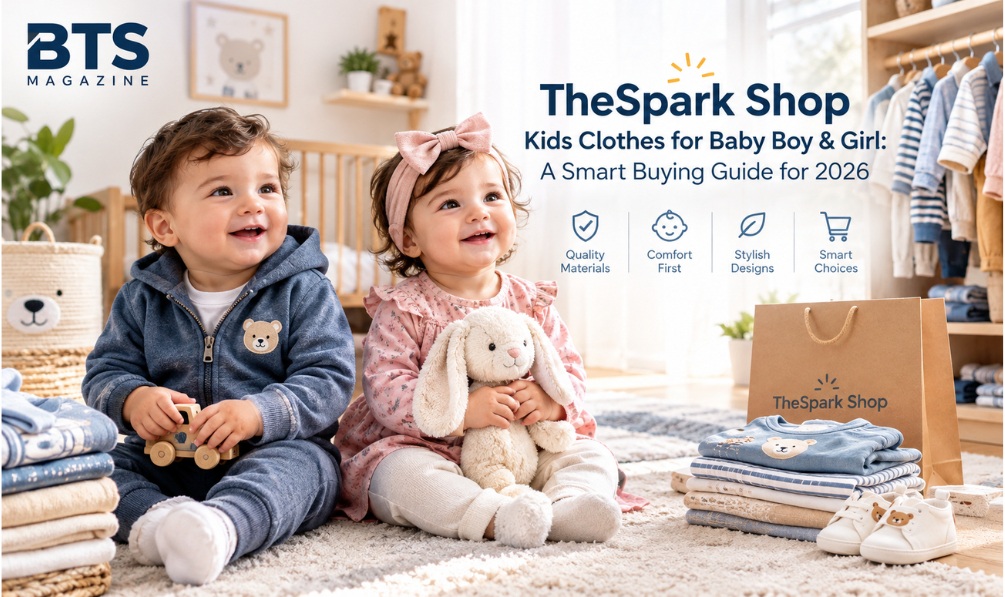
Choosing clothes for a baby involves more than finding cute designs. Parents need outfits that feel comfortable, fit properly, survive frequent washing, and offer good value for money. When searching for TheSpark Shop kids clothes for baby boy & girl, shoppers may also want to understand the available clothing categories, compare materials, and learn how to make safer online purchases.
This 2026 buying guide explains what to look for when shopping for baby boys and girls, from newborn essentials and toddler outfits to seasonal clothing, sizing, and garment safety. It also highlights an important step that many shoppers overlook: checking whether a website is genuinely accepting orders before sharing payment information.
Whether you are preparing for a newborn, updating a toddler’s wardrobe, or buying a gift, these practical tips can help you make more informed decisions.
What Are TheSpark Shop Kids Clothes for Baby Boy & Girl?
The search phrase refers to children’s clothing associated with TheSpark Shop, particularly outfits intended for baby boys and girls. However, a search result or product listing alone does not establish that a store is currently operating as a functioning retailer.
Search results for the domain thesparkshop.in display children’s clothing listings, including baby jumpsuits and newborn garments. The same website also carries a notice stating that it is a testing website and does not accept or process orders. Shoppers should therefore verify the current status of any store before attempting to purchase products.
When comparing kidswear websites, look for clearly described products, accurate sizing information, transparent policies, and accessible customer support.
What Types of Baby and Kids’ Clothes Should You Look For?
A useful children’s wardrobe includes a combination of everyday basics, sleepwear, outdoor outfits, and a few special-occasion garments.
1. Bodysuits and Onesies
Bodysuits are useful during the first year because they stay in place while babies move. Many designs feature snap closures at the bottom, making diaper changes easier.
Choose soft fabrics, comfortable neck openings, and closures that do not press against the baby’s skin. Buying several interchangeable basics can also reduce the need for frequent laundry.
2. Rompers and Jumpsuits
Rompers combine a top and bottom in one garment. They are convenient for playtime, short outings, and warm weather.
Before buying, check the crotch closure, leg openings, and overall length. A romper should allow the baby to move freely without pulling tightly across the shoulders or diaper area.
3. Tops, Trousers, and Matching Sets
Matching sets simplify daily dressing because the pieces are designed to work together. T-shirts paired with leggings, shorts, or joggers are practical choices for toddlers.
Look for elastic waistbands that stay secure without leaving marks. Separate tops and bottoms can be particularly useful once children begin developing their own clothing preferences.
4. Dresses and Occasion Wear
Baby girls’ clothing may include cotton dresses, tunics, skirts, pinafores, and festive outfits. For daily use, lightweight garments with simple closures are generally easier to manage than heavily decorated designs.
Check the inside of embroidered or embellished clothing for rough stitching, loose beads, and scratchy fabric. A comfortable lining can make dressier outfits more wearable.
5. Sleepwear and Seasonal Clothing
Sleepwear should fit according to the manufacturer’s safety instructions rather than being purchased several sizes too large. Choose suitable materials and designs for the room temperature.
For cooler weather, consider removable layers such as cardigans and jackets. For hot conditions, lightweight clothing can help children remain comfortable without unnecessary bulk.
How to Choose the Best Fabric for Baby Clothes
Fabric choice affects breathability, softness, durability, and ease of care. The most suitable material depends on the weather, garment design, and the child’s individual needs.
Cotton
Cotton is a practical option for everyday clothing because it is generally breathable, absorbent, and easy to wash. Lightweight cotton garments are useful in warm climates, while thicker cotton knits can work well as layering pieces.
Read the fibre composition on the product label instead of relying on descriptions such as “premium” or “ultra-soft.”
Organic Cotton
Organic cotton may appeal to parents who prefer textiles produced under organic agricultural standards. However, the word “organic” alone does not prove that a finished garment meets a particular certification or is suitable for every sensitive skin type.
If certification matters to you, check whether the seller provides verifiable information about the standard and the product’s certification status.
Muslin
Muslin is a lightweight, loosely woven fabric often used for baby clothing and other infant textiles. It can be a useful option for hot weather because of its airy construction.
Its durability depends on the weave and quality, so follow the washing instructions and inspect the garment for thinning or damaged seams over time.
Cotton Blends
Cotton blended with a small amount of elastane can provide extra stretch for leggings and fitted garments. Other blends may dry quickly or resist wrinkles, but their comfort depends on the actual fibre mixture and garment construction.
Fleece and Warm Layers
Fleece and other insulating materials can help during colder weather. For babies, dress in appropriate layers and monitor for overheating. Avoid loose clothing and bulky garments when placing an infant in a car seat, because these can interfere with a secure harness fit.
For more background on the natural fibre used in many children’s garments, see Cotton on Wikipedia.
How to Select the Correct Size Online
Choosing the right size is one of the most important parts of ordering children’s clothes online. Age labels are only general estimates because children grow at different rates.
Use the following process before placing an order:
- Measure the child’s height and, when relevant, chest, waist, and hip measurements.
- Check the size chart attached to the exact product.
- Compare the measurements with the garment’s fit information.
- Read reviews that mention sizing, shrinkage, or differences between the product photos and the delivered item.
- Review the exchange policy in case the garment does not fit.
Approximate Baby Clothing Size Reference
| Size label | General age guide |
| Newborn | Birth to around 1 month |
| 0–3 months | Birth to 3 months |
| 3–6 months | 3 to 6 months |
| 6–9 months | 6 to 9 months |
| 9–12 months | 9 to 12 months |
| 12–18 months | 1 to 1.5 years |
| 18–24 months | 1.5 to 2 years |
| 2–3 years | 2 to 3 years |
| 3–4 years | 3 to 4 years |
These are approximate age labels, not guaranteed measurements. Actual sizing varies by manufacturer, so always follow the individual product’s chart.
Avoid buying oversized sleepwear as a way to extend its useful life. For everyday outfits, a little growing room may be practical if the garment remains safe and comfortable.
Baby Boy and Girl Outfit Ideas for Everyday Use
A small collection of versatile clothes can create many combinations without filling the cupboard with rarely worn items.
Outfit Ideas for Baby Boys
- Warm weather: A lightweight cotton T-shirt with comfortable shorts.
- Everyday wear: A simple bodysuit paired with soft trousers.
- Playtime: A romper with easy-to-use closures.
- Cool weather: A cotton base layer, trousers, and removable outerwear.
- Family events: A comfortable shirt-and-trouser set or a lightweight traditional outfit.
Outfit Ideas for Baby Girls
- Warm weather: A breathable cotton dress with suitable undergarments.
- Everyday wear: A tunic with leggings or soft trousers.
- Playtime: A romper or practical two-piece set.
- Cool weather: A long-sleeved top, trousers, and a removable cardigan.
- Family events: A lined dress or a traditional outfit without loose decorative parts.
These suggestions are not restricted by gender. Parents can choose colours, prints, and styles according to their child’s comfort and personal preferences.
Why Unisex Baby Clothes Are Worth Considering
Neutral-coloured bodysuits, striped sleepsuits, plain trousers, and simple cotton tops can be passed between siblings or given to other families.
Unisex clothing can also make gift shopping easier when you do not know the baby’s preferences. Consider choosing a useful size beyond the newborn stage, but confirm the recipient’s needs and the expected season before purchasing.
A Practical Wardrobe Checklist for New Parents
You do not need dozens of outfits to get started. The right quantity depends on laundry frequency, climate, feeding habits, and how often clothes become soiled.
A possible starter wardrobe for a newborn includes:
- 6–8 bodysuits or onesies.
- 4–6 sleepsuits.
- 3–4 pairs of comfortable trousers.
- 2–3 cardigans or suitable seasonal layers.
- Several pairs of socks, where needed.
- A small selection of caps and other weather-appropriate accessories.
- Several muslin cloths.
- One or two outfits for outings or special occasions.
Treat this as a starting point rather than a fixed requirement. Buy fewer newborn-size items if you expect to receive gifts or have limited laundry needs.
To make a small wardrobe more versatile, choose a coordinated colour palette, buy tops that work with multiple bottoms, and prioritise garments that can be machine-washed according to their care labels.
Clothing Safety: What Parents Should Check
Appearance should never take priority over a child’s safety. Before dressing a baby or toddler in a new garment, inspect the construction and fit.
Important Safety Checks
- Drawstrings: Avoid clothing with dangerous cords around the neck or hood. For young children, follow applicable children’s clothing safety guidance.
- Buttons and decorations: Check that buttons, beads, sequins, and appliques are securely attached. Small detachable parts can present choking hazards.
- Zippers: Look for a protective fabric guard where the zipper could rub against the skin.
- Elastic: Waistbands and cuffs should not be so tight that they leave persistent marks.
- Seams and labels: Remove or avoid irritating labels and inspect seams for rough edges.
- Footed garments: Make sure the feet have enough room for comfortable movement.
- Sleepwear: Follow age-appropriate sleepwear and safe-sleep recommendations. Avoid loose garments that could cover a baby’s face.
Wash new clothes before first use and follow the manufacturer’s care instructions. If a garment has a loose component or damaged closure, repair it appropriately or stop using it.
Choosing Kids’ Clothes for India’s Different Seasons
India’s climate varies significantly between regions, so the best clothing choices depend on local conditions.
Summer
Lightweight cotton garments and breathable fabrics are practical for hot weather. Choose comfortable fits and dress babies appropriately for the temperature. When outdoors, use suitable shade and sun protection rather than relying on clothing alone.
Monsoon
Humidity can make clothes feel uncomfortable and slow down drying. Keep spare outfits available, change damp garments promptly, and ensure clothing is completely dry before storing it.
Lightweight pieces may be easier to wash and dry than thick garments during prolonged rainy periods.
Winter
Cold-weather needs vary by location. In colder northern regions, several light layers may be useful, while coastal areas may require much less insulation.
Check a baby’s chest or the back of the neck to assess warmth rather than relying only on cool hands or feet. Remove unnecessary layers if the baby becomes sweaty or feels too warm.
For car travel, avoid placing a baby in a car seat wearing bulky outerwear beneath the harness. Secure the harness correctly and add warmth over the fastened straps when needed.
How to Shop for TheSpark Shop Kids Clothes Online Safely
Before ordering from TheSpark Shop or another children’s clothing website, verify that the retailer is currently operating and that its checkout process is legitimate.
A professional-looking product page is not enough to establish that a seller is trustworthy.
Use This Pre-Purchase Checklist
- Confirm that the website accepts orders. Check for a clear statement about current sales, working checkout functionality, and accessible customer support.
- Read the product description. Look for fibre composition, available sizes, closure types, care instructions, and other relevant details.
- Inspect the size chart. Never assume that a size from one retailer matches the sizing of another.
- Review the return policy. Confirm the permitted return period, conditions for exchanges, and any restrictions on discounted products.
- Check the final price. Review delivery charges, applicable taxes, and any additional fees before paying.
- Look for credible customer feedback. Give greater weight to detailed reviews that describe actual fit, fabric quality, and delivery experience.
- Verify contact information. Look for a usable customer-service channel and clear business information.
- Use a suitable payment method. Prefer payment methods that provide appropriate transaction records and buyer protection. Do not assume that cash on delivery is automatically available or that it guarantees a safe transaction.
A secure HTTPS connection is important, but it does not independently prove that a business is legitimate.
Important: The search results reviewed for this guide include a notice on thesparkshop.in stating that the website is for testing purposes and does not process orders. Do not place an order through that site unless its current operating status has been independently verified.
Affordable Kidswear: How to Get Better Value
Affordable clothing can be a sensible choice when children outgrow garments quickly. However, the lowest listed price is not always the best deal.
Consider the following strategies:
- Compare the cost of multi-packs with individual garments.
- Choose durable basics that work with several outfits.
- Buy seasonal items when you genuinely need them.
- Check whether discounts apply to the sizes you want.
- Consider second-hand clothing in good condition.
- Avoid buying multiple outfits simply because a sale is ending.
- Spend according to actual use rather than appearance alone.
For instance, a comfortable cotton top that works with three pairs of trousers may offer more value than a special-occasion outfit worn only once.
Washing and Caring for Baby Clothes
Proper garment care can help preserve colour, fit, and fabric quality.
- Wash new clothing before first use.
- Follow the care label for water temperature and washing method.
- Use a detergent suitable for the fabric and your household’s needs.
- Avoid excessive detergent and rinse garments thoroughly.
- Turn printed clothing inside out when appropriate.
- Separate colours if the garment may release dye.
- Treat stains promptly using a method suitable for the fabric.
- Dry clothing completely before putting it away.
- Store seasonal items in a clean, dry place.
Fragrance-free detergent may be worth trying if a child experiences irritation from scented products. However, skin reactions can have several causes, and changing detergent does not guarantee that a rash will resolve.
Common Mistakes to Avoid When Buying Baby Clothes
Buying by age alone: Check measurements because age labels are only estimates.
Ignoring fabric composition: Marketing descriptions do not replace clear information about materials.
Choosing complicated closures: Difficult fastenings can make daily changes frustrating.
Buying too many newborn outfits: Babies may outgrow this size quickly, and actual needs vary.
Overlooking safety details: Loose decorations, unsafe cords, and poor fit can create unnecessary risks.
Assuming every discount is genuine: Compare the final price and check the seller’s terms.
Skipping website verification: Confirm that the store is operating before entering payment details.
Avoiding these mistakes helps you spend more carefully while keeping comfort and safety at the centre of your decisions.
Frequently Asked Questions
1. What are TheSpark Shop kids clothes for baby boy and girl?
The phrase refers to children’s clothing associated with TheSpark Shop, including searches for baby outfits and kidswear. Before purchasing, confirm the retailer’s current operating status, product details, and return policy.
2. Which fabric is best for newborn clothes?
Lightweight cotton is a practical choice for many everyday situations. The best fabric depends on the climate, garment construction, and the baby’s individual needs.
3. How do I choose the correct baby clothing size online?
Measure the baby and compare those measurements with the size chart on the specific product page. Age labels should be treated as general guidance rather than exact sizing.
4. Are matching clothing sets better than individual pieces?
Matching sets simplify outfit selection, while separates offer more combinations. The better option depends on your budget, laundry routine, and the child’s age.
5. How many clothes does a newborn need?
A reasonable starting wardrobe might include six to eight bodysuits, four to six sleepsuits, several bottoms, and a few seasonal layers. Adjust the quantities according to laundry frequency and expected growth.
6. Are unisex baby clothes a good option?
Yes. Neutral basics can be reused between siblings, are convenient for gifting, and can help reduce unnecessary clothing purchases.
7. How can I tell whether an online kidswear store is trustworthy?
Look for transparent product descriptions, working customer support, clear business information, a readable return policy, and credible customer feedback. A website’s appearance or HTTPS connection alone cannot establish its legitimacy.
8. Should I buy baby clothes in a larger size?
A little extra room can be useful for some everyday garments, provided the clothing remains comfortable and safe. Do not buy loose sleepwear or oversized garments that interfere with movement or safety equipment.
9. Can I order from thesparkshop.in?
The search results reviewed for this guide display a notice stating that thesparkshop.in is a testing website and does not accept or process orders. Verify its current status independently before attempting to buy anything.
Final Thoughts
Finding suitable clothes for a baby boy or girl starts with understanding what children actually need. Breathable fabrics, comfortable fits, convenient closures, appropriate seasonal layers, and durable construction matter more than following every fashion trend.
When researching TheSpark Shop kids clothes for baby boy & girl, compare product information carefully and do not assume that every page appearing in search results represents an active retailer. Confirm the website’s status, check its policies, and verify the total cost before making a purchase.
A small, well-planned wardrobe can provide plenty of outfit combinations without unnecessary spending. By measuring before ordering, checking clothing safety, and caring for garments properly, parents can make more confident decisions throughout a child’s early years
Read also: TozyMagazine.com USA Explained: Exploring Its Stories, Digital Content, and Reader Insights in 2026