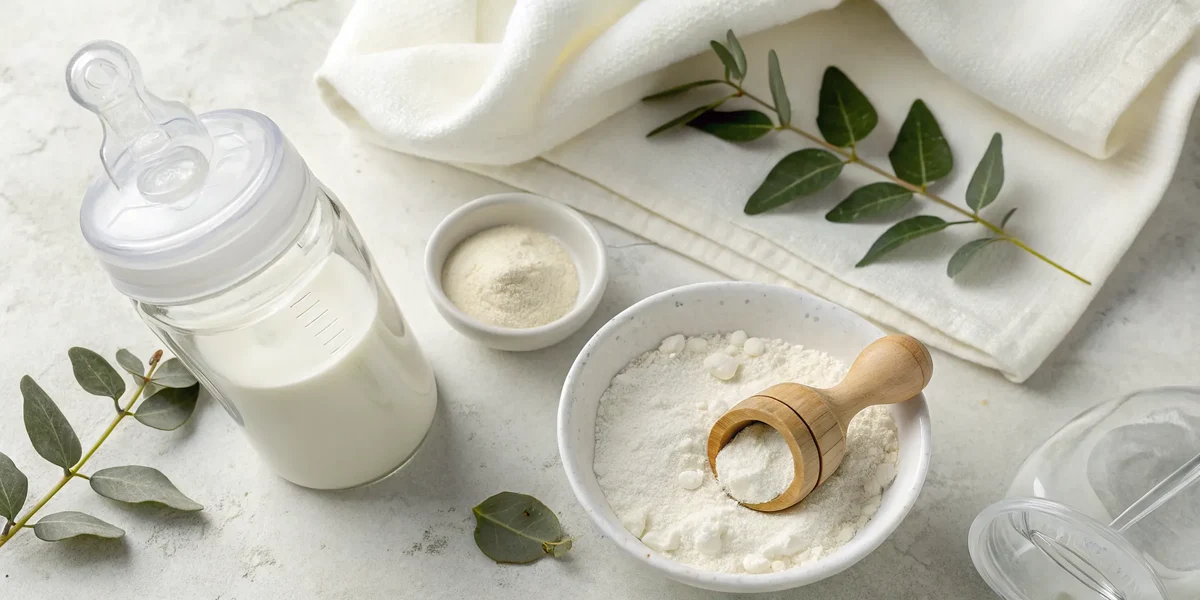

Foodie Co is an Australian food manufacturing business that helps startups and small companies turn powdered food and drink ideas into products ready for the market. Based in Victoria, the company focuses on dry powder blending, product development, packing, and related supply chain services. Its approach is designed for businesses that need manufacturing support without investing in their own production facilities.
For a new food brand, producing a consistent product involves much more than following a recipe. Businesses must source suitable ingredients, choose packaging, plan production volumes, and arrange storage and delivery. Foodie Co offers services intended to help businesses manage several of these tasks through one manufacturing partner.
This guide explains what Foodie Co does, the products it can support, how powder blending works, and what businesses should consider before requesting a manufacturing quote.
What Is Foodie Co?
Foodie Co is a contract manufacturing business that provides powder blending and packing services for other companies. Rather than focusing only on selling finished products to individual consumers, it helps brands develop and produce their own powdered food and beverage products.
According to its official website, the company works with startups and small businesses that may struggle with the high minimum order quantities required by some manufacturers. Its services can cover different stages of production, depending on a customer’s requirements.
These services include:
- Product development: Working on a product concept or formula before manufacturing.
- Dry powder blending: Combining powdered ingredients into a consistent mixture.
- Packing services: Preparing products for storage, distribution, or retail sale.
- Raw material sourcing: Helping businesses obtain ingredients for production.
- Third-party logistics: Providing support for storing and handling finished products.
- Distribution: Helping food brands reach selected retail and business customers.
Where Is Foodie Co Located?
Foodie Co operates in Victoria, Australia, in the Melbourne area. Its LinkedIn company profile lists Dingley Village, Victoria, as its headquarters.
Its location may be relevant to Australian food businesses looking for a local manufacturing partner. Working with a manufacturer in the same region can make communication, product discussions, and production planning more convenient.
However, location alone does not determine whether a manufacturer is the right choice. Businesses should consider production capabilities, delivery arrangements, pricing, and the types of products the company can handle.
Before visiting or arranging a production discussion, check the company’s official contact page for current contact details and any relevant appointment requirements.
How Does Foodie Co Help Small Businesses?
Launching a food brand can require significant investment. Businesses may need mixing equipment, production space, packaging machinery, ingredient suppliers, and suitable storage facilities before they can sell their products at scale.
Contract manufacturing offers another option. Instead of building an entire production operation, a brand can work with an established manufacturer to handle specific manufacturing tasks.
Foodie Co promotes tailored manufacturing solutions for startups and small businesses, including smaller production runs where available.
For example, a café owner might develop a chai latte powder for sale under a private label. Preparing a few samples in-house may be manageable, but supplying multiple cafés or retail stores requires repeatable production methods and appropriate packing.
A manufacturing partner can help turn that concept into a more scalable product. The business owner can then focus more attention on branding, customer service, marketing, and sales.
The potential benefits include:
- Less need to invest in dedicated manufacturing equipment.
- Access to commercial blending and packing capabilities.
- Support with ingredients and product preparation.
- More flexibility when planning production.
- Opportunities to expand as demand increases.
Actual benefits depend on the product, the agreement, the manufacturer’s capacity, and the costs involved.
What Is Powder Blending?
Powder blending is the process of combining dry ingredients to create a uniform mixture. It is widely used in the food and beverage industry to produce products with consistent flavour, composition, and appearance.
For example, a drinking chocolate mix may contain cocoa powder, sugar, and other ingredients. A chai blend could combine tea extracts, spices, sweeteners, and flavouring ingredients.
Commercial blending equipment helps manufacturers mix ingredients in larger quantities. However, the correct process depends on factors such as particle size, ingredient density, moisture sensitivity, and the properties of the individual ingredients.
Poorly controlled blending can cause ingredients to separate or create inconsistencies between servings. Manufacturers therefore need a suitable mixing method and clear product specifications.
Foodie Co offers dry powder blending services for businesses developing or producing powdered products. Customers should discuss their existing formula, expected batch size, and quality requirements before production begins.
For additional background, see the Wikipedia article on food processing.
What Products Can Foodie Co Help Manufacture?
Foodie Co focuses on powdered food and beverage products. The exact products it can manufacture will depend on its current capabilities, available ingredients, and the requirements of each project.
1. Drinking Chocolate and Cocoa Products
Drinking chocolate powders are used by cafés, restaurants, retailers, and consumers at home. A brand may want a particular cocoa profile, sweetness level, ingredient combination, or pack size.
Foodie Co’s website features cocoa powders and related raw materials. Businesses developing a drinking chocolate product can ask about suitable ingredients, blending, and packaging options.
2. Latte and Beverage Mixes
Powdered latte mixes can be designed for cafés, hospitality businesses, or retail customers. Depending on the formula, they may contain sweeteners, spices, milk-derived ingredients, or other flavour components.
Before production, a brand should confirm the intended preparation method, serving size, ingredient specifications, and packaging requirements.
3. Nutrition and Supplement Powders
Powdered nutrition products may require careful ingredient selection, mixing controls, and accurate labelling. Requirements can vary depending on the ingredients, product claims, and how the product is legally classified.
Businesses interested in this category should confirm that the manufacturer can handle their specific formulation. They should also check any applicable regulatory and labelling obligations before bringing the product to market.
4. Baking Mixes
Baking mixes combine dry ingredients to simplify food preparation. Depending on the recipe, these products may include flour, sugar, raising agents, cocoa, flavourings, or other ingredients.
Consistent blending helps distribute the ingredients throughout the mixture. Brands should provide clear formulation and performance requirements so the finished product behaves as intended.
5. Spice Blends and Other Dry Ingredients
Spice blends combine ingredients such as cinnamon, ginger, cardamom, pepper, and other seasonings. Foodie Co’s raw materials page lists organic and conventional spices among the ingredients it can help source.
Availability will depend on current supply and the specific requirements of an order.
Foodie Co Product Development Process
Developing a commercial food product usually involves several stages. The exact process may differ depending on whether a business already has a finished recipe or is starting with an initial idea.
Step 1: Define the Product
The first step is to establish what the product should contain and who will buy it.
Businesses should identify the target customer, intended use, serving size, preferred flavour, ingredient requirements, and expected retail price.
For example, a brand developing a vanilla latte mix needs to decide whether the product is intended for home preparation, café use, or both.
Step 2: Prepare the Formula
Some businesses already have a tested recipe. Others need assistance adapting a concept for commercial production.
A formula should specify the ingredients and their proportions. The manufacturer may also need information about allergens, ingredient handling, desired texture, and any relevant product specifications.
Step 3: Discuss Manufacturing Requirements
Once the product concept is clear, the business can discuss production options with Foodie Co.
Important topics include batch size, raw material availability, blending requirements, packaging formats, quality checks, and estimated production time.
Step 4: Confirm Packaging and Production
Before committing to a commercial run, the business should agree on the final formula, packaging specifications, labelling responsibilities, and applicable quality requirements.
Where appropriate, product samples or testing may help confirm that the finished mixture meets the agreed specifications.
Step 5: Plan Storage and Distribution
After production, finished goods need suitable storage and an effective delivery plan.
Businesses should decide whether they will manage stock themselves or use third-party logistics services. They should also understand how orders will be prepared, dispatched, and tracked.
Ingredient Sourcing and Raw Materials
Ingredient selection affects the taste, texture, consistency, and cost of a powdered product. It can also influence shelf life, allergen information, and storage requirements.
Foodie Co’s website lists several categories of raw materials, including:
- Organic cacao and cocoa powders.
- Coconut sugar and other sweeteners.
- Xylitol, stevia, and erythritol.
- Organic and conventional spices.
- Dried fruit powders.
- Black tea extract powder.
- Selected seeds and other dry ingredients.
This range may help brands explore ingredients for different product concepts. However, businesses should confirm current availability, prices, specifications, and supplier documentation before placing an order.
Ingredient sourcing also requires planning. A product that depends on a specialist ingredient may face delays if supplies become limited. Discussing alternatives in advance can help reduce disruption.
Packaging Options for Powdered Products
Packaging protects the product during handling, storage, and transport. It also affects convenience, presentation, and the overall cost of each unit.
Common packaging formats for dry food products include pouches, bags, and tubs or tins. The most appropriate option depends on the product, quantity, intended customer, and storage conditions.
For example, a brand selling drinking chocolate directly to consumers may prefer smaller retail packs. A café supplier may need larger bags designed for frequent use.
Before selecting packaging, businesses should consider:
- Protection from moisture and other environmental factors.
- Suitable food-contact packaging materials.
- Pack size and filling requirements.
- Label space and mandatory product information.
- Storage conditions and expected shelf life.
- Packaging costs and minimum order quantities.
Foodie Co’s current packing capabilities and available formats should be confirmed directly with the company.
Minimum Order Quantities, Costs, and Production Time
A minimum order quantity (MOQ) is the smallest production quantity a manufacturer agrees to make for a particular order. It can vary according to the product formula, ingredients, equipment, and packaging requirements.
Foodie Co specifically promotes manufacturing solutions for startups and smaller businesses. However, that does not mean every product can be produced in any quantity.
Production costs may include ingredients, formulation work, blending, packing materials, labour, storage, and delivery. Some projects may also require testing or additional preparation before manufacturing can begin.
A detailed quote should clarify:
- Minimum order quantity for the specific product.
- Cost per batch and cost per finished unit.
- Ingredient and packaging charges.
- Any setup, formulation, or testing fees.
- Estimated production and delivery times.
- Payment terms and any additional service charges.
Smaller orders may have a higher cost per unit because setup and handling costs are spread across fewer products. Businesses should compare the full cost with their expected selling price and profit margin.
Organic Manufacturing and Food Safety
Foodie Co describes itself as a certified organic manufacturer. Businesses planning to sell organic products should request current certification documents and verify that the certification covers the relevant facility, ingredients, processes, and product claims.
Organic certification should not be confused with a guarantee that every product is suitable for every customer or dietary requirement.
Food manufacturers in Australia must also consider the food safety and labelling requirements applicable to their activities and products. The Food Standards Australia New Zealand food safety standards provide official information about relevant requirements.
Before entering into an agreement, businesses should ask about ingredient traceability, allergen controls, cleaning procedures, batch records, product specifications, and quality assurance processes.
For nutrition or supplement products, additional requirements may apply depending on the product’s classification and claims. These should be reviewed before manufacturing and sale.
Storage, Third-Party Logistics, and Distribution
Manufacturing is only one part of the process of bringing a food product to customers. Businesses must also manage finished stock, process orders, and arrange deliveries.
Third-party logistics, commonly known as 3PL, involves outsourcing selected logistics tasks to an external provider. Depending on the agreement, these services may include storage, order handling, packing, and dispatch.
Foodie Co’s website promotes 3PL services alongside its manufacturing offering. Businesses should confirm the exact services available, storage conditions, fees, and order-handling arrangements.
Distribution is another part of the supply chain. Foodie Co describes its distribution work as supporting food brands through channels such as health food retailers, independent supermarkets, studios, and cafés.
For a growing brand, this support may be useful when supplying business customers or expanding into additional retail channels. However, distribution support should not be treated as a guarantee that a product will secure retail listings or achieve sales.
Brands should establish who manages retailer relationships, delivery charges, stock levels, returns, and any applicable distribution fees.
How to Start Working With Foodie Co
Businesses interested in its services can begin by visiting Foodie Co’s official website and using its contact page to discuss a project.
Preparing the following information can make the initial conversation more productive:
- Product concept: Explain what you want to manufacture and how customers will use it.
- Recipe and ingredients: Share the existing formula or explain what development support may be needed.
- Expected order quantity: Estimate the initial batch and likely future demand.
- Packaging requirements: Specify the preferred format, pack size, and labelling needs.
- Ingredient preferences: Identify organic, plant-based, allergen-related, or other requirements.
- Budget and timeline: Explain your target costs and intended launch date.
- Additional services: Ask whether sourcing, packing, storage, and distribution can be included.
Request a written quote that sets out the agreed scope, costs, production expectations, and responsibilities. This helps prevent misunderstandings and makes it easier to assess whether the arrangement suits your business.
Is Foodie Co Suitable for Your Business?
Foodie Co may be worth considering if you are launching a powdered food or beverage brand and want external help with manufacturing. Its focus on smaller businesses and its combination of blending, packing, and logistics services may be relevant to companies that do not want to build their own production operation.
It is still important to evaluate the details. A suitable manufacturer should be able to meet your product specifications, provide clear pricing, explain its quality processes, and work within your required production schedule.
Before making a decision, compare the available services, request a quote, and confirm the terms for your particular product.
Frequently Asked Questions
What is Foodie Co?
Foodie Co is an Australian business offering powder blending, packing, and related manufacturing services for food and beverage brands. It also promotes product development, third-party logistics, and distribution support.
Where is Foodie Co based?
Foodie Co operates in Victoria, Australia. Its LinkedIn profile lists Dingley Village, Victoria, as its headquarters. Check its official website for current contact details.
What products can Foodie Co help manufacture?
Its services focus on powdered food and beverage products. Relevant projects may include drinking chocolate, beverage mixes, spice blends, and other dry formulations, subject to the company’s current capabilities and requirements.
Does Foodie Co work with startups?
Yes. The company promotes manufacturing solutions for startups and small businesses, including tailored production volumes. Businesses should confirm the minimum order quantity for their particular product.
Does Foodie Co offer organic manufacturing?
The company describes itself as a certified organic manufacturer. Businesses should request current certification documents and verify their scope before making organic product claims.
Does Foodie Co provide packaging and logistics?
The company promotes packing and 3PL services alongside manufacturing. Confirm the available packaging formats, storage conditions, order fulfilment arrangements, and associated costs directly with the company.
How can I contact Foodie Co?
Visit foodieco.com.au and use the website’s contact page to discuss your product, manufacturing requirements, and quotation.
Final Thoughts
Foodie Co provides manufacturing and related services for businesses developing powdered food and beverage products. Its offering includes dry powder blending, packing, raw material sourcing, and advertised logistics and distribution support.
For startups and smaller brands, working with an external manufacturer can reduce the need to invest in dedicated production facilities. The right arrangement can also help businesses plan their products and prepare for growth.
The best next step is to discuss your specific formula and production needs with Foodie Co. Confirm order quantities, costs, certification, quality procedures, packaging, and delivery arrangements before committing to a manufacturing agreement.
Read also: Charfen.co.uk Review 2026: Is It Legit? Content, Safety, Ownership, and Key Facts