

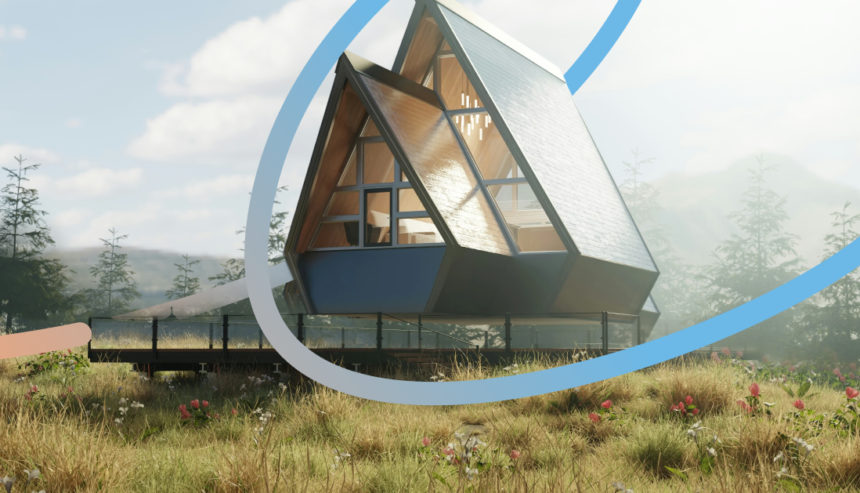
The glamping economy is completely changing how we think about spending time in nature. It blends the rustic charm of camping with the comforts of a luxury hotel.
If you have noticed more safari tents and treehouses popping up on your social media feeds, you are not alone.
People want to escape the city, but they do not necessarily want to sleep on the hard ground.
Here’s the thing: this shift in travel preferences has created a massive new industry. In this guide, we will look at how luxury camping is reshaping the travel world.
Understanding the Glamping Economy
This booming sector is more than just a passing trend. It is a massive shift in the hospitality industry.
The glamping economy represents all the financial activity surrounding luxury camping. This includes everything from booking platforms to the local shops near these nature resorts.
It is growing fast, and it shows no signs of slowing down anytime soon.
What Exactly Is Glamping?
Glamping is short for “glamorous camping.” It removes the stressful parts of traditional camping.
Instead of pitching a tent in the rain, you arrive at a pre-set structure. You might find a plush king-sized bed, running water, and sometimes even Wi-Fi.
To be honest, it is the perfect compromise for families or couples with different travel styles.
How Travel Habits Have Changed
Travelers today want unique experiences. Standard hotel rooms often feel too generic.
People are looking for ways to disconnect from their screens while still enjoying modern comforts.
This desire for comfortable adventure is exactly what fuels the glamping economy.
Background: How We Got Here
Glamping might seem like a recent invention, but the concept actually goes back centuries.
Royalty used to travel with massive, luxurious tents filled with antique furniture and rugs.
However, the modern glamping economy really started picking up steam in the early 2010s.
The Shift from Roughing It to Luxury
For a long time, camping meant roughing it. You packed your car with gear, built a fire, and hoped it didn’t rain.
What’s interesting is that as people’s lives got busier, they stopped wanting to do all that work on vacation.
They wanted the peace of the woods without the hassle of the setup. Entrepreneurs noticed this gap and started building better outdoor accommodations.
The Impact of Social Media
We cannot talk about the glamping economy without mentioning social media.
Picturesque domes under the stars and cozy A-frame cabins are highly shareable.
When influencers started posting photos of these beautiful setups, consumer demand skyrocketed.
Key Facts Driving the Glamping Economy
Several logical factors are driving the massive growth of this industry.
It is not just about taking pretty pictures. There are real economic drivers at play here.
High Demand for Nature Retreats
Spending time in nature reduces stress. Health and wellness tourism is a massive global market.
The glamping economy naturally intersects with this wellness trend.
People are happy to pay premium prices for a peaceful retreat in the woods.
The Appeal for Remote Workers
Remote work changed everything. You no longer have to be tied to a cubicle in a city.
Many luxury camping sites now offer high-speed internet specifically to attract remote workers.
Combining Work and Play
Working from a treehouse sounds like a dream for many professionals.
This trend of combining work and leisure has given the glamping economy a major boost, extending the busy season well into the fall and winter.
The Economic Impact on Local Communities
The growth of luxury camping is a huge win for rural areas.
Traditional hotels require massive infrastructure, but glamping sites can be built with a much smaller footprint.
This brings tourist dollars to places that normally wouldn’t see them.
Boosting Small Town Tourism
When a new luxury camp opens in a rural area, the guests need places to eat and shop.
They buy groceries, visit local diners, and book local guides for activities.
This steady stream of visitors pumps vital cash into small-town economies.
Creating New Job Opportunities
Running a high-end nature resort requires a team.
From cleaning staff to property managers and maintenance workers, these sites create local jobs.
Supporting Local Businesses
Many site owners partner with local farmers, bakeries, and artisans.
They provide local coffee in the cabins or sell locally made soaps.
This creates a powerful ripple effect throughout the entire glamping economy.
Related Context: The Future of Luxury Camping
As the market matures, we are seeing some fascinating new developments.
Property owners are constantly looking for ways to stand out in a crowded market.
Sustainability and Eco-Friendly Resorts
Today’s travelers care deeply about the environment.
Many glamping sites now operate entirely on solar power and use composting toilets.
They aim to leave the landscape exactly as they found it. This eco-friendly approach is becoming a core part of the glamping economy.
Technology Meets the Great Outdoors
While people want to escape, they also love smart home technology.
Some sites now feature heated floors, app-controlled lighting, and transparent roofs for stargazing.
The balance between raw nature and high-tech comfort will define the future of the industry.
Continue reading: Essential French Gastronomy Recipes for Your Home Kitchen