

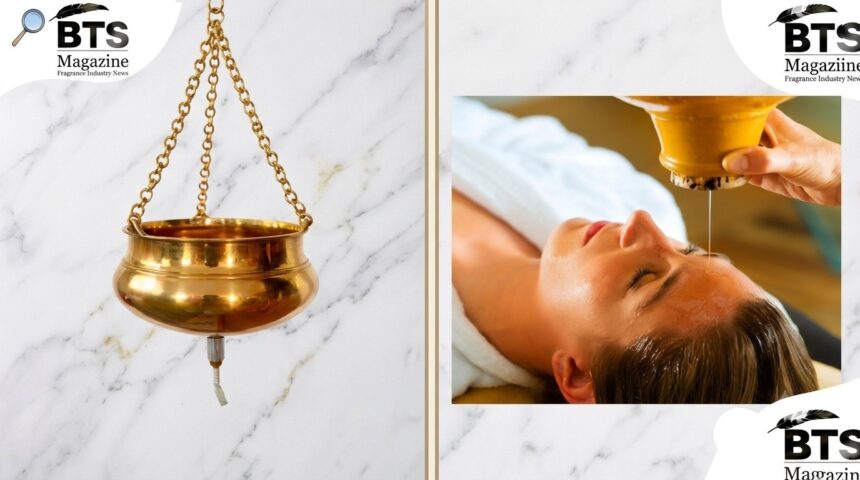
Shirodhara is one of the most well-known therapies in Ayurveda. If you’ve ever seen a video of warm oil gently flowing over someone’s forehead, you’ve probably seen shirodhara in action. It looks relaxing, but it’s much more than a spa treatment.
- What Is Shirodhara?
- The History of Shirodhara
- How Does Shirodhara Work?
- Types of Liquids Used in Shirodhara
- Step-by-Step Shirodhara Procedure
- How Long Does a Shirodhara Session Last?
- Traditional Benefits of Shirodhara
- What Does Scientific Research Say?
- Who May Consider Shirodhara?
- Who Should Avoid Shirodhara?
- Are There Any Side Effects?
- Preparing for Your First Session
- What Happens After Shirodhara?
- Choosing a Qualified Practitioner
- Shirodhara vs. Regular Head Massage
- Tips to Get the Best Experience
- Frequently Asked Questions
- Is shirodhara painful?
- How many sessions of shirodhara are recommended?
- Can shirodhara cure medical conditions?
- Does shirodhara help with sleep?
- Can I wash my hair immediately afterward?
- Final Thoughts
Here’s the thing: people often try shirodhara because they want to reduce stress, sleep better, or simply enjoy a calming wellness experience. While many people report positive results, scientific research is still limited for some of the health claims. That means it’s best to view shirodhara as a complementary wellness practice rather than a replacement for medical treatment.
In this guide, you’ll learn what shirodhara is, how it works, its traditional benefits, what happens during a session, possible risks, and whether it may be right for you.
What Is Shirodhara?
Shirodhara is a traditional Ayurvedic therapy where a steady stream of warm liquid is poured continuously over the center of the forehead for a specific period.
The word comes from Sanskrit:
- Shiro means “head.”
- Dhara means “flow” or “continuous stream.”
The therapy has been practiced in India for centuries as part of Ayurveda, the traditional system of medicine that focuses on balancing the body, mind, and spirit.
The History of Shirodhara
Shirodhara has its roots in ancient Ayurvedic texts written thousands of years ago.
Ayurveda believes that good health depends on maintaining balance among the body’s natural energies, often called doshas:
- Vata
- Pitta
- Kapha
According to Ayurvedic practitioners, shirodhara helps restore balance, especially when stress, anxiety, or mental fatigue are affecting overall well-being.
What’s interesting is that although the practice is ancient, it has become popular worldwide through wellness centers, yoga retreats, and Ayurvedic clinics.
How Does Shirodhara Work?
During the treatment, warm liquid flows in a gentle, continuous stream over the forehead.
The therapist carefully controls:
- Temperature
- Flow speed
- Duration
- Position of the stream
The rhythmic movement is believed to encourage deep relaxation.
From a modern perspective, many experts think the calming environment, warmth, gentle touch, and uninterrupted rest may contribute to feelings of relaxation. However, more high-quality scientific studies are needed to confirm specific medical effects.
Types of Liquids Used in Shirodhara
Different liquids may be chosen depending on Ayurvedic principles and individual needs.
Warm Herbal Oil
This is the most common option.
Herbal oils are traditionally selected according to a person’s dosha.
Buttermilk (Takra Dhara)
Cool buttermilk mixed with herbs is sometimes used for people experiencing excess body heat according to Ayurvedic practice.
Milk
Milk infused with herbs may be selected for certain traditional Ayurvedic treatments.
Herbal Decoctions
Some therapists use specially prepared herbal liquids instead of oil.
The exact choice depends on the treatment plan created by the practitioner.
Step-by-Step Shirodhara Procedure
Many first-time visitors wonder what actually happens during the therapy.
A typical session usually follows these steps.
Initial Consultation
The therapist asks about:
- Medical history
- Lifestyle
- Stress levels
- Current health concerns
This helps determine whether the treatment is appropriate.
Preparation
The client lies comfortably on a treatment table.
A small towel may be placed around the head to keep the liquid controlled.
Warm Oil Application
The chosen liquid is gently heated to a comfortable temperature.
It should never feel excessively hot.
Continuous Pouring
The therapist pours the liquid across the forehead in slow, rhythmic movements.
The stream usually moves from side to side.
Gentle Rest
After the session, many people rest quietly for several minutes before getting up.
How Long Does a Shirodhara Session Last?
A standard shirodhara session usually lasts between 30 and 60 minutes.
Some wellness centers combine it with:
- Ayurvedic massage
- Steam therapy
- Herbal treatments
Treatment plans may include multiple sessions spread over several days.
Traditional Benefits of Shirodhara
Ayurvedic practitioners have long recommended shirodhara for promoting overall wellness.
Some traditionally reported benefits include:
- Deep relaxation
- Better sleep quality
- Reduced mental stress
- Improved concentration
- Feeling emotionally balanced
- General sense of calm
To be honest, many people choose the therapy simply because it helps them slow down and disconnect from daily pressures.
What Does Scientific Research Say?
Scientific studies on shirodhara are still relatively small.
Some research suggests the therapy may:
- Promote relaxation
- Lower perceived stress
- Improve subjective sleep quality
- Support emotional well-being
Still, researchers agree that stronger clinical studies are needed before making firm medical conclusions.
Because of this, shirodhara should not replace treatment prescribed by a qualified healthcare professional.
Who May Consider Shirodhara?
People often explore shirodhara if they want a relaxing wellness experience.
It may appeal to those who experience:
- Everyday stress
- Busy work schedules
- Difficulty relaxing
- Mental fatigue
- Poor sleep habits
A trained Ayurvedic practitioner can help determine whether the therapy fits your individual needs.
Who Should Avoid Shirodhara?
Although generally considered safe when performed correctly, it isn’t suitable for everyone.
Avoid or postpone treatment if you have:
- Fever
- Active scalp infections
- Open wounds on the head
- Severe allergic reactions to oils
- Certain neurological conditions unless approved by your doctor
Pregnant individuals and people with serious medical conditions should speak with a healthcare provider before starting any new wellness therapy.
Are There Any Side Effects?
Most people tolerate shirodhara well.
Possible temporary side effects may include:
- Mild headache
- Oil sensitivity
- Skin irritation
- Feeling sleepy afterward
These effects are usually short-lived when the treatment is performed properly.
Preparing for Your First Session
A little preparation can make the experience more comfortable.
Before your appointment:
- Wear comfortable clothing.
- Avoid heavy meals immediately beforehand.
- Inform the therapist about allergies.
- Remove jewelry around the neck and head.
- Plan enough time to relax afterward.
Many people prefer not to schedule stressful activities immediately after the session.
What Happens After Shirodhara?
After treatment, therapists often recommend:
- Drinking water
- Resting for a while
- Avoiding cold weather for a short time
- Waiting before washing your hair if oil was used
Some people report feeling calm for several hours after the session.
Choosing a Qualified Practitioner
Not every wellness center offers the same level of training.
When selecting a provider, consider:
- Professional Ayurvedic education
- Clean treatment facilities
- Good hygiene practices
- Positive client reviews
- Clear consultation before treatment
A qualified practitioner should also ask about your medical history rather than beginning treatment immediately.
Shirodhara vs. Regular Head Massage
Although both therapies are relaxing, they are quite different.
| Feature | Shirodhara | Head Massage |
|---|---|---|
| Main technique | Continuous stream of warm liquid | Hands massage scalp and muscles |
| Duration | Usually 30–60 minutes | Varies |
| Traditional origin | Ayurveda | Many cultures |
| Focus | Deep relaxation and Ayurvedic wellness | Muscle relaxation and tension relief |
Some people enjoy combining both therapies during the same wellness visit.
Tips to Get the Best Experience
You don’t need to do anything complicated.
Simple habits can improve your experience:
- Choose a certified Ayurvedic center.
- Arrive early.
- Stay hydrated.
- Relax during the session.
- Avoid checking your phone immediately afterward.
- Follow any aftercare advice from your therapist.
Here’s the thing: the peaceful environment is often just as important as the treatment itself.
Frequently Asked Questions
Is shirodhara painful?
No. The treatment is designed to be gentle and relaxing. The warm liquid should feel comfortable rather than painful.
How many sessions of shirodhara are recommended?
It depends on individual goals and the practitioner’s recommendations. Some people enjoy a single session, while others choose a series of treatments.
Can shirodhara cure medical conditions?
There is no strong scientific evidence that shirodhara cures diseases. It should not replace professional medical care.
Does shirodhara help with sleep?
Some people report sleeping better after treatment because they feel deeply relaxed. Research is promising but still limited.
Can I wash my hair immediately afterward?
Many therapists recommend waiting several hours, especially if herbal oils were used, to allow the oil to remain on the scalp for a while.
Final Thoughts
Shirodhara remains one of the most recognized therapies in Ayurveda because of its calming and deeply relaxing nature. While traditional practitioners have used it for centuries, modern scientific research is still developing, so it’s important to have realistic expectations. Used as part of a healthy lifestyle and under the guidance of a qualified practitioner, shirodhara can be a soothing wellness experience for many people.
If you’d like to learn more about Ayurveda and the traditional background behind therapies such as shirodhara, you can explore the related Wikipedia article here: https://en.wikipedia.org/wiki/
Continue reading: Marten Glotzbach: The Dutch Football Coach Behind Sarina Wiegman’s Success