

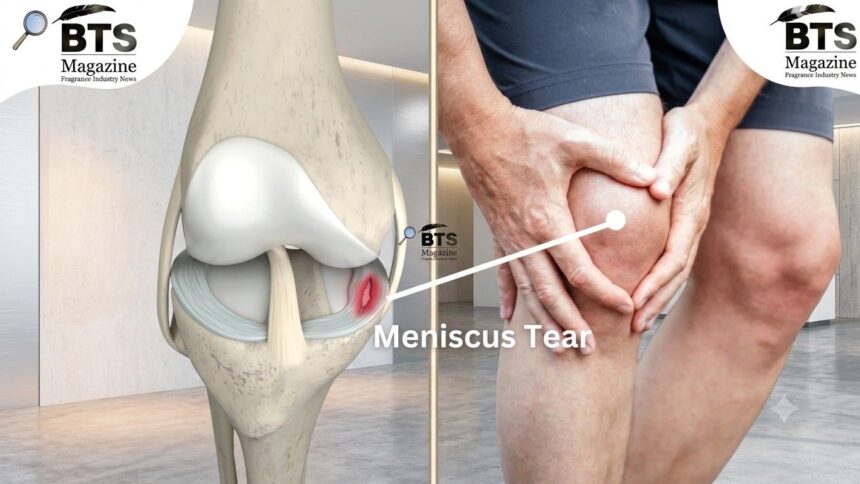
The meniscus is one of those body parts you probably never think about—until something goes wrong with it. It’s a small piece of cartilage tucked inside your knee, and honestly, it does way more work than most people realize. If you’ve ever twisted your knee awkwardly and felt a sharp pain, there’s a good chance your meniscus was involved.
Let’s break it down in plain English so you actually understand what this thing is and why it matters.
What Is the Meniscus?
The meniscus is a C-shaped piece of fibrocartilage that sits inside your knee joint. Think of it like a cushion or a shock absorber between your thigh bone and your shin bone.
Here’s the thing—you don’t have just one. You’ve got two in each knee. Together, they help spread out the pressure every time you walk, run, jump, or even just stand around.
Where Is It Located in the Knee?
Your knee is where the femur (thigh bone) meets the tibia (shin bone). Right between those two bones sit the menisci.
They rest on top of the tibia and act like a buffer. Without them, your bones would grind directly against each other, and trust me, that’s not something you’d want.
The Two Types: Medial and Lateral Meniscus
Each knee has two menisci, and they aren’t identical.
Medial Meniscus
The medial meniscus sits on the inner side of your knee. It’s the one that gets injured most often, especially when the knee twists under pressure. It’s a little less mobile, which makes it more vulnerable.
Lateral Meniscus
The lateral meniscus sits on the outer side of the knee. It’s more mobile than its medial cousin, so it tends to handle twisting a bit better. Still, injuries here happen too.
What Does the Meniscus Actually Do?
This is where the meniscus really earns its keep. It’s small, but it pulls a lot of weight—literally.
- Shock absorption: It cushions the impact between your bones.
- Load distribution: It spreads out the weight across the knee joint.
- Stability: It helps keep your knee steady during movement.
- Lubrication: It supports the flow of joint fluid, keeping things smooth.
To be honest, for such a small structure, that’s a pretty impressive job description.
Why Is the Meniscus So Important?
Your knee takes a beating every single day. Every step you take sends force through the joint. The meniscus helps manage all of that pressure so your bones don’t wear down too fast.
Without a healthy meniscus, the risk of joint damage and long-term problems like arthritis goes up. That’s why protecting this little piece of knee cartilage matters more than most folks think.
Common Meniscus Injuries
A meniscus injury is one of the most common knee problems around. Athletes deal with it a lot, but you don’t have to be an athlete to tear one.
What Is a Meniscus Tear?
A meniscus tear happens when the cartilage rips. This can occur during sudden twisting movements, deep squatting, or even something as simple as standing up the wrong way.
What’s interesting is that older people can tear a meniscus doing everyday activities. As we age, the cartilage weakens, so it doesn’t take much force to cause damage.
How Do Meniscus Tears Happen?
Most tears come from twisting the knee while your foot stays planted. Think of a basketball player pivoting or someone slipping on a wet floor.
Sometimes a meniscus tear happens alongside other injuries, like a damaged ACL. The knee is a busy joint, and when one part gets hurt, others often follow.
Signs and Symptoms of a Meniscus Problem
How do you know if your meniscus is the issue? A few common signs tend to show up.
- Knee pain, especially when twisting or rotating
- Swelling that appears a day or two after the injury
- A popping sensation when it happens
- Trouble straightening the knee fully
- A feeling that your knee is “locking” or catching
If your knee feels stuck or keeps giving out, it’s worth getting checked.
How Doctors Diagnose a Meniscus Tear
Doctors usually start with a physical exam. They’ll move your knee in different directions to see what triggers pain.
They might use a test called the McMurray test, where they bend and rotate your knee to feel for clicking. For a clearer picture, an MRI scan is often used since it shows soft tissue like cartilage really well.
In some cases, they use arthroscopy—a tiny camera inserted into the knee joint—to look directly at the damage.
Treatment Options for Meniscus Injuries
The good news? Not every meniscus tear needs surgery. Treatment really depends on the size, location, and type of tear.
Non-Surgical Treatment
For smaller tears, doctors often recommend the classic RICE approach: rest, ice, compression, and elevation. Physical therapy can also help strengthen the muscles around the knee.
Many people recover just fine without ever going under the knife.
Surgical Treatment
When a tear is severe or keeps causing problems, surgery may be needed. Arthroscopy is the go-to method here. Surgeons either repair the torn meniscus or trim away the damaged part.
The outer edge of the meniscus has better blood flow, so tears there heal more easily. The inner part gets less blood, which makes healing trickier.
Recovery and Rehabilitation
Recovery time varies a lot. A minor tear treated without surgery might heal in a few weeks. A surgical repair could take several months.
Physical therapy plays a huge role either way. Building up the muscles around the knee joint helps take pressure off the meniscus and keeps your knee stable long-term.
Can You Prevent Meniscus Injuries?
You can’t guarantee you’ll never hurt your meniscus, but you can lower your risk.
- Warm up properly before exercise
- Strengthen your leg muscles, especially the quads and hamstrings
- Use good form when lifting or squatting
- Avoid sudden twisting movements when possible
- Wear supportive footwear
Simple habits go a long way in protecting your knee cartilage.
Meniscus vs. Other Knee Injuries
People sometimes confuse a meniscus tear with an ACL injury or general knee pain. They can feel similar, but they’re not the same thing.
An ACL injury involves a ligament, while the meniscus is cartilage. That said, both can happen at the same time, especially during sports. If you’re unsure, a proper diagnosis is the only way to know for certain.
Living With a Meniscus Injury
Plenty of people live active lives after a meniscus tear. With the right treatment and rehab, most get back to their normal routines.
The key is not ignoring the pain. Pushing through a knee injury usually makes things worse, not better. Listen to your body and give it time to heal.
Frequently Asked Questions About the Meniscus
1. Can a torn meniscus heal on its own?
Small tears on the outer edge, where there’s more blood supply, can sometimes heal naturally with rest and therapy. Tears in the inner region usually don’t heal on their own because of poor blood flow.
2. Is walking okay with a meniscus tear?
Light walking might be fine for a minor tear, but it depends on your pain level. If walking causes sharp pain or your knee locks up, stop and see a doctor.
3. How long does meniscus surgery recovery take?
It varies. A trim procedure might mean a few weeks of recovery, while a full repair can take three to six months, sometimes longer.
4. Do all meniscus tears need surgery?
No. Many tears heal with non-surgical treatment like rest, ice, and physical therapy. Surgery is usually reserved for larger or persistent tears.
5. Can you tear your meniscus without an injury?
Yes. As you age, the cartilage weakens, and tears can happen during simple movements like squatting or twisting, even without a big accident.
Final Thoughts
The meniscus may be small, but it’s a workhorse inside your knee joint. Taking care of it means taking care of your mobility for years to come. If you ever suspect a meniscus injury, don’t tough it out—get it looked at early. If you want to dig deeper into the anatomy, you can check out this detailed overview of the meniscus on Wikipedia, which breaks down the structure and function in more detail.