
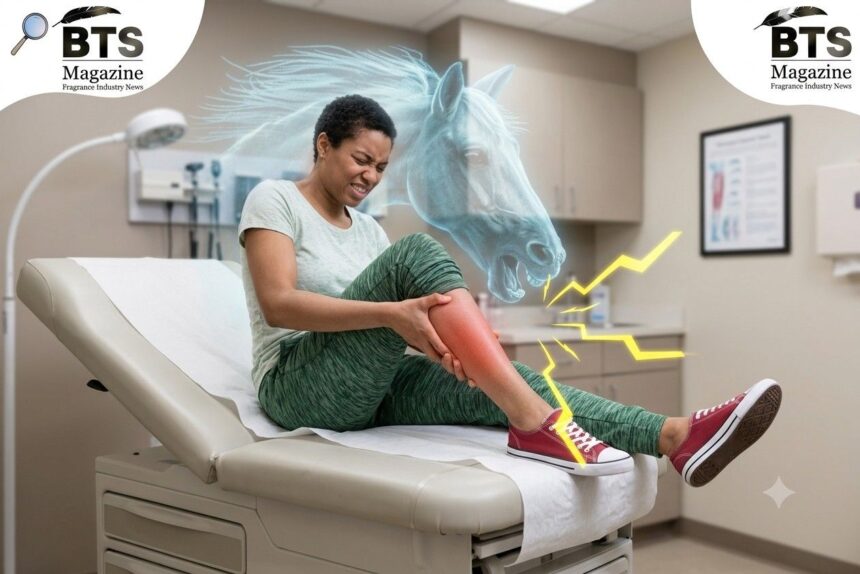
A charlie horse can wake you up out of a dead sleep. One minute you’re resting, the next your calf feels like it’s tied in a knot. If you’ve ever felt that sudden, sharp pain in your leg, you already know exactly what I’m talking about.
- What Is a Charlie Horse?
- Where the Name Comes From
- What a Charlie Horse Feels Like
- What Causes a Charlie Horse?
- Dehydration and Low Electrolytes
- Overusing Your Muscles
- Poor Circulation or Sitting Too Long
- Nighttime Leg Cramps
- Other Possible Triggers
- How to Get Relief Fast
- How to Prevent a Charlie Horse
- When to See a Doctor
- Quick Facts About Charlie Horses
- Frequently Asked Questions
- Why do I get a charlie horse at night?
- Are charlie horses dangerous?
- What foods help prevent leg cramps?
- How do I stop a calf cramp fast?
- Can dehydration really cause a charlie horse?
- Final Thoughts
Here’s the thing: a charlie horse is more common than most people realize. It happens to athletes, older adults, pregnant women, and even people who just sat funny for too long. Let’s break down what’s really going on and how you can find relief fast.
What Is a Charlie Horse?
A charlie horse is just a nickname for a sudden muscle cramp. It usually hits the calf, but it can also strike the thigh or foot.
When it happens, the muscle tightens up hard and won’t let go. That involuntary muscle spasm is what causes all the pain.
To be honest, the name sounds a little silly for something that hurts so much. But it’s stuck around for over a century as a casual American term for a leg cramp.
Where the Name Comes From
Nobody knows the exact origin, and I won’t pretend otherwise. Most stories trace it back to old baseball slang from the late 1800s.
What’s interesting is that even though the story is fuzzy, the term stuck. Today people use “charlie horse” and “muscle cramp” almost interchangeably.
What a Charlie Horse Feels Like
The main sign is obvious: sharp, sudden pain in the muscle. But there’s more to it than just the ache.
Common Symptoms
- A tight, hard knot you can actually feel under the skin
- Sudden, intense pain that comes out of nowhere
- The muscle twitching or spasming on its own
- Trouble moving the leg while it’s cramping
How Long It Lasts
Most cramps only last a few seconds to a few minutes. That said, the muscle can feel sore and tender for a day or two afterward.
If your calf still aches the next morning, don’t panic. That lingering soreness is normal after a strong muscle spasm.
What Causes a Charlie Horse?
Here’s where it gets useful. A charlie horse usually happens for a handful of pretty common reasons. Knowing them helps you avoid the next one.
Dehydration and Low Electrolytes
This is a big one. When you don’t drink enough water, your muscles get cranky.
Low electrolytes like potassium, magnesium, calcium, and sodium can trigger cramps too. Your muscles need these minerals to fire and relax properly.
Overusing Your Muscles
Pushing hard at the gym or during sports can wear a muscle out. A tired muscle is more likely to lock up.
That’s why athletes get calf cramps so often, especially near the end of a long workout.
Poor Circulation or Sitting Too Long
Staying in one position for hours can mess with blood flow. When circulation slows down, cramps can follow.
Ever get a charlie horse after a long flight or a lazy afternoon on the couch? That’s often why.
Nighttime Leg Cramps
Some people get them mostly at night. These nocturnal leg cramps are super common in older adults.
Doctors aren’t always sure why night cramps happen, and it’s fair to say the exact cause isn’t fully clear.
Other Possible Triggers
- Pregnancy, especially in later months
- Certain medications, like some diuretics
- Not stretching before exercise
- Cold weather affecting the muscles
How to Get Relief Fast
When a charlie horse strikes, you want it gone. Here’s what actually helps in the moment.
Stretch It Out
Stretching is your best friend. For a calf cramp, straighten your leg and gently pull your toes back toward your shin.
It might feel awkward mid-cramp, but stretching sends the signal for the muscle to relax.
Massage the Muscle
Rub the tight spot with your hands. Gentle pressure helps loosen the muscle spasm and eases the pain.
Apply Heat or Cold
Heat relaxes a tense muscle, so a warm towel or heating pad works well. If the muscle stays sore afterward, cold can help calm the ache.
Walk It Off
Sometimes just standing up and walking a little bit gets things moving again. Light movement encourages the muscle to release.
Hydrate
Sip some water. If you’ve been sweating a lot, a drink with electrolytes can help your muscles recover faster.
How to Prevent a Charlie Horse
Prevention beats treatment every time. A few small habits can keep these cramps from ruining your day or your sleep.
Drink Enough Water
Staying hydrated is the simplest fix. Keep water nearby, especially when it’s hot or you’re active.
Stretch Regularly
Stretch your legs before and after exercise. A quick calf stretch before bed can also cut down on nighttime cramps.
Watch Your Minerals
Eat foods rich in potassium and magnesium, like bananas, nuts, leafy greens, and yogurt. Balanced electrolytes keep your muscles happy.
Don’t Overdo It
Build up your workout intensity slowly. Giving your muscles time to adjust lowers your risk of a charlie horse.
Move Around Often
If you sit all day, get up and stretch every hour or so. Keeping the blood flowing helps a lot.
When to See a Doctor
Most of the time, a charlie horse is harmless and clears up on its own. But there are moments when it’s smart to get checked out.
Talk to a doctor if you notice:
- Cramps that happen very often
- Severe pain that doesn’t ease up
- Swelling, redness, or skin changes on the leg
- Muscle weakness that sticks around
- Cramps that keep disrupting your sleep
Frequent or unusual cramping can sometimes point to another issue, like poor circulation or a nerve problem. When in doubt, it’s always okay to ask.
Quick Facts About Charlie Horses
- They usually hit the calf, but the thigh and foot are fair game too.
- Dehydration and low electrolytes are among the top triggers.
- Stretching is the fastest way to stop one.
- Older adults get them more often, especially at night.
- Most cramps pass in under a few minutes.
Frequently Asked Questions
Why do I get a charlie horse at night?
Nighttime leg cramps are common and often linked to dehydration, low minerals, or the way you’re lying. The exact cause isn’t always clear, but stretching before bed can help.
Are charlie horses dangerous?
Usually no. A single charlie horse is harmless. But frequent or severe cramps are worth mentioning to a doctor.
What foods help prevent leg cramps?
Foods with potassium, magnesium, and calcium help. Think bananas, spinach, nuts, beans, and dairy.
How do I stop a calf cramp fast?
Stretch the muscle by pulling your toes toward your shin, then massage the area. Walking around and drinking water can help too.
Can dehydration really cause a charlie horse?
Yes. When you’re low on fluids and electrolytes, your muscles are more likely to cramp up. Staying hydrated is one of the easiest ways to prevent it.
Final Thoughts
A charlie horse hurts, but it’s rarely something to fear. Most of the time, it comes down to simple things like hydration, stretching, and balanced electrolytes.
Keep those habits in check, and you’ll deal with far fewer surprise cramps. And if you want to dig into the history and science behind the term, you can read more on the charley horse Wikipedia page for extra background.
Continue reading: Best Energy Drink in 2026: What Actually Works and Why