
How to start a garden is one of those questions that sounds harder than it really is. Here’s the thing: you don’t need a huge backyard, fancy tools, or a green thumb passed down through generations. You just need a bit of space, some sunlight, and the willingness to get your hands dirty.
- Why Starting a Garden Is Worth It
- Start With a Simple Garden Plan
- Choosing the Right Location
- Deciding What to Grow
- Testing and Preparing Your Soil
- Containers vs Raised Beds vs In-Ground Beds
- Basic Tools Every Beginner Needs
- Starting Seeds vs Buying Seedlings
- Watering the Right Way
- Compost and Fertilizer Basics
- Why Mulching Helps
- Common Beginner Mistakes to Avoid
- Basic Pest Control for New Gardens
- Seasonal Planning for Your Growing Season
- Harvesting Tips for Better Results
- Final Thoughts on How to Start a Garden
This guide walks you through the whole process in plain steps. We’ll cover where to plant, what to grow, how to handle soil and water, and the small mistakes that trip up most beginners. By the end, you’ll have a clear plan you can actually follow.
Why Starting a Garden Is Worth It
Growing your own food saves money over time, and the taste is hard to beat. A tomato picked fresh from your garden tastes nothing like the ones at the store.
There’s also the calm that comes with it. Many people find gardening relaxing, almost like a reset button after a long day. You get exercise, fresh air, and something to look forward to each morning.
To be honest, the first harvest feels like a small win you earned yourself. That feeling keeps a lot of beginner gardeners coming back season after season.
Start With a Simple Garden Plan
Before you buy a single seed, sketch out a rough plan. Garden planning saves you from overspending and overcrowding later.
Think about how much time you have each week. A small garden you can actually maintain beats a big one that turns into a weedy mess by July.
Write down what you want to grow, where it’ll go, and roughly how much space each plant needs. Keep it loose. You’ll adjust as you learn.
Choosing the Right Location
Location matters more than almost anything else. Walk around your yard or balcony at different times of day and watch how the light moves.
You want a spot that’s easy to reach with a hose or watering can. If your garden is tucked far away and hard to access, you’ll skip watering on busy days.
Understanding Sunlight Needs
Most vegetables and herbs need around six to eight hours of direct sunlight daily. This is one of the biggest factors in how well your plants grow.
Leafy greens like lettuce and spinach can handle a little shade. But fruiting plants such as tomatoes, peppers, and squash really want full sun.
If your space is shady, don’t force sun-loving crops there. Match the plant to the light you actually have.
Checking for Good Drainage
Plants hate soggy roots. Good drainage keeps water from pooling and rotting your plants from below.
After it rains, look for spots where puddles sit for hours. Avoid planting there, or raise the bed to fix the problem.
Deciding What to Grow
Pick crops you’ll actually eat. It sounds obvious, but people often plant things they think they should grow instead of what they love.
For your first season, stick with easy vegetables for beginners. Tomatoes, lettuce, radishes, green beans, and zucchini are forgiving and quick to reward you.
Herbs are another smart starting point. Basil, mint, parsley, and chives grow fast and don’t need much fuss.
Testing and Preparing Your Soil
Healthy soil is the heart of every good garden. Before planting, it helps to know what you’re working with.
A simple soil test kit from a garden center tells you the pH and nutrient levels. Most vegetables prefer slightly acidic to neutral soil, roughly a pH of 6 to 7.
Basic Soil Preparation Steps
Start by clearing weeds, rocks, and debris from your planting area. Loosen the top several inches so roots can spread easily.
Mix in compost or aged manure to add nutrients and improve texture. Good soil preparation now means less work and stronger plants later.
Containers vs Raised Beds vs In-Ground Beds
How you plant depends on your space, budget, and back. Each option has trade-offs worth knowing.
Container Gardening
Container gardening is perfect for balconies, patios, and small yards. You control the soil completely, and you can move pots to chase the sun.
The downside? Containers dry out faster, so you’ll water more often. Make sure each pot has drainage holes at the bottom.
Raised Garden Beds
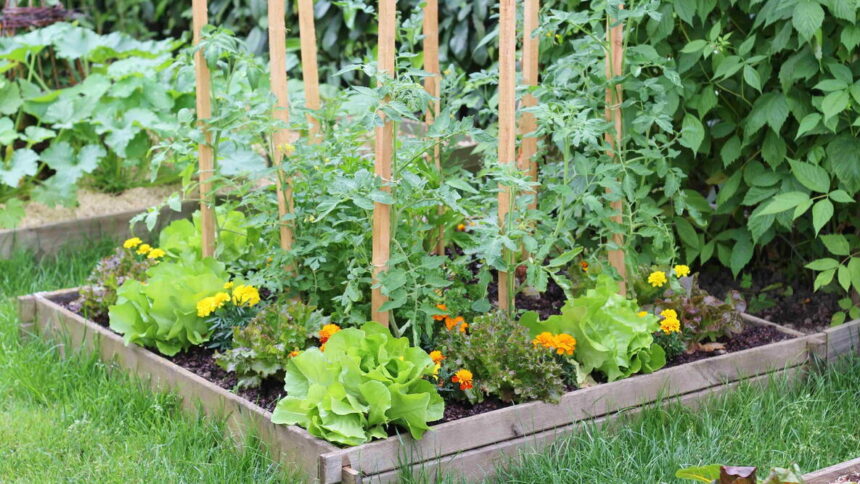
A raised garden bed gives you better drainage and warmer soil in spring. It’s also easier on your knees and back since you bend less.
These beds cost a bit more to build, but they last for years. They’re a favorite for people who want a tidy, productive setup.
In-Ground Beds
Planting directly in the ground is the cheapest route. It works great if your native soil is decent and your space is open.
The trade-off is more weeding and less control over soil quality. Still, for larger gardens, in-ground beds are hard to beat on cost.
Basic Tools Every Beginner Needs
You don’t need a shed full of gear to start. A few solid tools cover most jobs.
- A hand trowel for digging and planting
- A watering can or hose with a gentle nozzle
- Pruning shears for trimming and harvesting
- Gloves to protect your hands
- A rake or hoe for clearing and leveling soil
Buy decent quality where you can. Cheap tools break fast and end up costing more in the long run.
Starting Seeds vs Buying Seedlings
This is a common fork in the road for new gardeners. Both paths work, so pick what fits your patience and budget.
Seeds are cheap and give you tons of variety. They take longer and need more attention early on, but it’s satisfying to grow a plant from scratch.
Seedlings cost more, yet they save weeks of waiting. For beginners, buying a few young plants while also trying some seeds is a nice balance.
Watering the Right Way
Water is where many beginners go wrong. They either drown their plants or forget them for days.
Most gardens need about an inch of water per week, including rain. Deep, less frequent watering encourages roots to grow strong and reach down.
Building a Watering Schedule
A simple watering schedule keeps things consistent. Early morning is the best time, before the heat pulls moisture away.
Stick your finger an inch into the soil. If it’s dry, it’s time to water. If it’s damp, wait a day.
Compost and Fertilizer Basics
Compost is basically free plant food made from kitchen scraps and yard waste. It feeds the soil and improves its structure over time.
You can start a compost pile with vegetable peels, coffee grounds, leaves, and grass clippings. Skip meat, dairy, and oily food, which attract pests.
Fertilizer gives plants a quick nutrient boost. Use it according to the label, since too much can burn roots and harm growth.
Why Mulching Helps
Mulch is a layer of material spread over the soil. It locks in moisture, blocks weeds, and keeps roots cooler in hot weather.
Straw, shredded leaves, and wood chips all work well. A two- to three-inch layer is usually enough to make a real difference.
What’s interesting is how much less you’ll water once mulch is in place. It’s one of the easiest beginner gardening tips out there.
Common Beginner Mistakes to Avoid
Almost everyone makes a few of these early on. Knowing them ahead of time saves frustration.
- Planting too much too soon and burning out
- Crowding plants so they fight for light and nutrients
- Overwatering or ignoring drainage problems
- Ignoring sunlight needs when choosing a spot
- Forgetting to feed the soil with compost
Start small and grow your space as your confidence builds. There’s no rush.
Basic Pest Control for New Gardens
Pests are part of gardening, but they don’t have to ruin everything. The trick is catching problems early.
Check leaves regularly for holes, spots, or tiny insects. Picking bugs off by hand or spraying with soapy water handles many issues.
Encourage helpful insects like ladybugs and bees by planting flowers nearby. A healthy garden often balances itself out.
Seasonal Planning for Your Growing Season
Every region has its own growing season, shaped by frost dates and weather. Knowing yours helps you plant at the right time.
Cool-season crops like peas and lettuce go in early spring or fall. Warm-season crops like tomatoes and peppers wait until the soil warms up.
A quick search for your local frost dates gives you a planting calendar to follow. This small step prevents a lot of wasted effort.
Harvesting Tips for Better Results
Harvesting at the right time keeps your plants producing more. Many crops give more when you pick regularly.
Beans, zucchini, and herbs especially benefit from frequent picking. Leave them too long, and the plant slows down or turns tough.
Harvest in the morning when plants are crisp and full of moisture. Use shears or a gentle twist instead of yanking, which can damage stems.
Final Thoughts on How to Start a Garden
Learning how to start a garden comes down to a few simple basics: good sunlight, decent soil, steady watering, and crops you enjoy. Start small, pay attention, and let each season teach you something new.
Your first step is easy. Pick one sunny spot, choose two or three plants you love, and get them in the ground or a pot this week. The garden grows from there.
Continue reading: Mac’s Old House Closure: Why the Antioch Italian Landmark Shut Its Doors and What Comes Next