

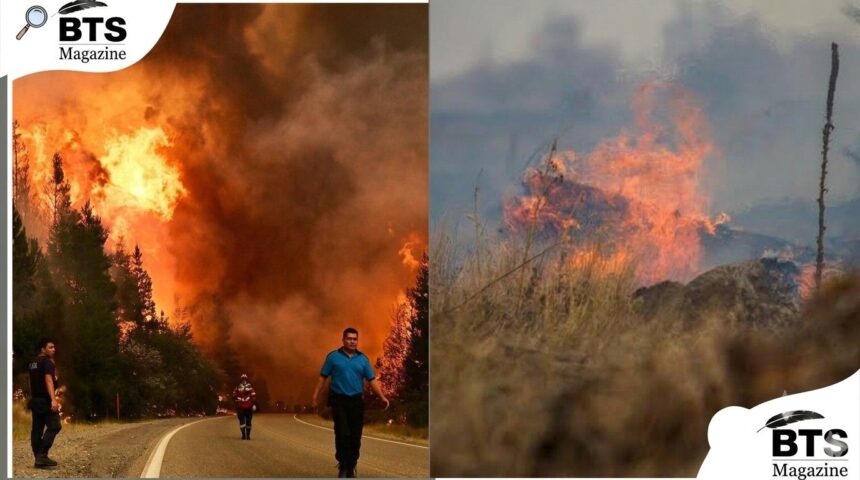
A fire weather watch is one of those alerts you might hear on the news and then forget about. But here’s the thing — it’s worth knowing what it actually means. It’s a heads-up from the National Weather Service that conditions could soon be perfect for wildfires to start and spread fast.
- What Is a Fire Weather Watch?
- Why Does the NWS Issue These Watches?
- How Far in Advance Is a Fire Weather Watch Issued?
- Fire Weather Watch vs. Red Flag Warning
- What Weather Conditions Trigger a Fire Weather Watch?
- Why Local Conditions Matter So Much
- How Firefighting Agencies Respond
- What Should the Public Do During a Fire Weather Watch?
- Related Alerts You Should Know
- How Long Does a Fire Weather Watch Last?
- Why Paying Attention Really Matters
- Final Thoughts on Staying Wildfire-Ready
To be honest, a lot of people mix up a fire weather watch with a red flag warning. They’re related, but they’re not the same. Let’s break it all down in plain English.
What Is a Fire Weather Watch?
A fire weather watch is an alert that tells you critical fire weather conditions are possible in the near future. The key word here is “possible.” Nothing dangerous is happening yet, but the ingredients are lining up.
Think of it like a weather forecast saying a storm might roll in. You’re not soaked yet, but you’d be smart to grab an umbrella.
The National Weather Service (NWS) issues this watch to give people and agencies time to prepare before conditions get worse.
Why Does the NWS Issue These Watches?
The whole point is early warning. When the NWS spots a pattern that could lead to high fire danger, they send out a fire weather watch so nobody gets caught off guard.
It alerts land managers, firefighters, and the public that upcoming weather could cause widespread wildland fire activity or extreme fire behavior. Basically, it’s a “be prepared” message.
How Far in Advance Is a Fire Weather Watch Issued?
This is where it gets useful. A fire weather watch is usually issued 12 to 48 hours before the expected conditions show up.
In some cases, it can come out as early as 72 hours in advance — but only if the NWS feels confident about the forecast. That extra time matters a lot when you’re trying to protect homes, livestock, or whole communities.
Fire Weather Watch vs. Red Flag Warning
What’s interesting is how these two alerts work together. People treat them as the same thing, but they signal different stages of danger.
Fire Weather Watch: Be Prepared
A watch means critical fire weather conditions are possible but not happening yet. It’s the early stage. You’ve got time to get ready.
Red Flag Warning: Take Action
A red flag warning is more serious. It means dangerous fire conditions are either happening right now or about to happen very soon. When this comes out, it’s time to act, not just watch.
So the simple way to remember it: a watch says “this could happen,” and a warning says “this is happening.” A fire weather watch often gets upgraded to a red flag warning once the conditions actually arrive.
What Weather Conditions Trigger a Fire Weather Watch?
Several factors come together to create high fire danger. No single one does it alone. It’s the combination that worries forecasters.
Low Humidity
Dry air pulls moisture out of plants, grass, and brush. When relative humidity drops low, vegetation becomes the perfect fuel for fire.
High or Erratic Winds
Wind is a huge problem. It pushes flames forward, tosses embers around, and can turn a small fire into a fast-moving wildfire in minutes.
Dry Vegetation and Drought
When plants are bone dry — often after long stretches of drought — they catch fire easily and burn hot. Dry conditions like these are a major red flag for forecasters.
Hot Temperatures
Heat dries everything out even more and lowers the moisture content in fuels. Add wind and low humidity, and you’ve got a recipe for trouble.
Here’s the thing: the exact criteria change from one region to another. Each NWS office sets its own thresholds based on local vegetation, terrain, and how close the area is to water.
Why Local Conditions Matter So Much
A dry, windy day in one part of the country might not mean much. In another, it could spell disaster.
That’s why forecasters factor in things like vegetation type, topography, and fuel moisture levels. A fire weather watch in a drought-stricken region carries a different weight than one in a wetter area.
How Firefighting Agencies Respond
When a fire weather watch or red flag warning is issued, firefighting agencies don’t just sit around. They shift into preparation mode.
They may bring in extra crews, position equipment in key spots, and get ready for rapid response. The goal is to be ready before a wildland fire breaks out, not after.
Land managers also pay close attention. They’ll often pause any controlled burns since the risk of things getting out of hand is just too high.
What Should the Public Do During a Fire Weather Watch?
You don’t need to panic when you hear about a fire weather watch. But you should stay alert and take a few simple steps.
Be Careful With Open Flames
Avoid anything that could spark a fire. That means no outdoor burning, careful handling of grills, and extra caution with cigarettes or equipment that throws sparks.
Stay Informed
Keep an eye on local updates. A watch can quickly turn into a red flag warning, so knowing the latest forecast helps you stay one step ahead.
Prepare an Emergency Plan
If you live in a wildfire-prone area, this is a good time to review your evacuation plan, pack a go-bag, and clear flammable material near your home.
Watch for Burn Bans
Local fire agencies may announce outdoor burning bans during these periods. Follow them — they exist to keep small mistakes from turning into big fires.
Related Alerts You Should Know
A fire weather watch isn’t the only term you’ll come across. There are a few others worth understanding.
Extreme Red Flag Warning
Back in October 2019, the NWS introduced the extreme red flag warning to flag truly dangerous situations. It points to conditions where fire growth and fire behavior could be extremely severe.
This usually involves a brutal mix of strong winds, very low humidity, long-lasting dry stretches, and extremely dry fuels. It was first used on October 29, 2019.
Fire Warning
A fire warning means a wildland fire is already threatening lives or property. At that point, it’s an emergency, plain and simple.
How Long Does a Fire Weather Watch Last?
A fire weather watch stays in effect until one of three things happens. It expires on its own, it gets canceled, or it’s upgraded to a red flag warning.
So if you see one issued, keep checking back. The situation can change fast depending on how the weather develops.
Why Paying Attention Really Matters
Wildfires move quickly and don’t give second chances. A fire weather watch gives you something valuable — time. Time to prepare, time to plan, and time to protect what matters.
Ignoring these alerts is a gamble most people don’t want to take. Even a small spark on a dry, windy day can grow into a massive wildfire before crews can contain it.
Final Thoughts on Staying Wildfire-Ready
At the end of the day, a fire weather watch is your early signal that conditions could turn dangerous. It’s the calm-before-the-storm moment when smart preparation pays off the most.
Treat it as a nudge to be cautious, not a reason to panic. Stay informed, follow local guidance, and respect any burn bans that come your way.
If you want to dig deeper into how these alerts connect, this overview of the red flag warning explains how a fire weather watch fits into the bigger picture of critical fire weather alerts. Understanding the difference could honestly make all the difference when it counts.
Continue reading: Kroger Gas Prices: Everything You Need to Know to Save at the Pump