

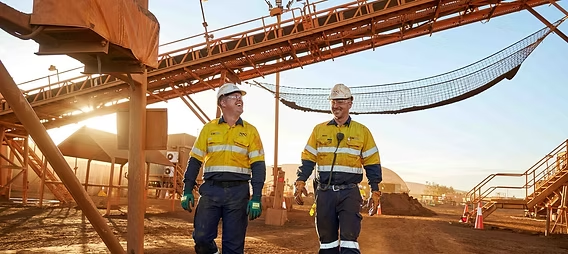
FIFO jobs have become one of the most talked-about ways to earn good money in Australia. If you’ve ever heard someone say they “work away” for weeks at a time and then get a big chunk of days off, chances are they’re doing fly-in fly-out work. Here’s the thing though — there’s a lot more to it than the high pay everyone loves to mention.
- What Are FIFO Jobs, Exactly?
- How the FIFO Roster System Works
- Which Industries Offer FIFO Jobs?
- The Pros of FIFO Jobs
- The Cons of FIFO Jobs
- What Do FIFO Jobs Pay?
- How to Find FIFO Jobs
- Tips for Beginners Starting FIFO Work
- Get Your Tickets and Certificates
- Be Honest in Medicals
- Pack Smart for Camp Life
- Prepare for the Lifestyle Shift
- Is FIFO Work Right for You?
- Final Thoughts on FIFO Jobs
So let’s break it all down in plain English.
What Are FIFO Jobs, Exactly?
FIFO stands for fly-in fly-out. The idea is simple: workers fly into a remote site, work there for a set period, then fly back home for a break. They don’t live near the worksite, so the company flies them in instead.
These jobs are common in places that are hard to get to, like deserts, mining regions, or offshore platforms. You stay on-site in camp accommodation, work your shifts, then head home until your next swing.
To be honest, it’s a lifestyle as much as a job.
How the FIFO Roster System Works
The roster schedule is the heart of FIFO work. Your roster tells you how many days you work versus how many days you get off.
Some common roster patterns look like this:
Popular Roster Examples
- 8/6 — eight days on, six days off
- 2/1 — two weeks on, one week off
- 4/1 — four weeks on, one week off
- even time — equal days on and off, like 2/2
What’s interesting is that not every roster suits every person. A 2/1 swing means you’re away from home a lot, while even-time rosters give you more balance. People often pick FIFO jobs partly based on the roster that fits their life.
Day Shifts and Night Shifts
Most FIFO roles run 12-hour shifts. You might work days for part of your swing and nights for the rest. It can take a toll, so good sleep habits matter more than you’d expect.
Which Industries Offer FIFO Jobs?
Plenty of sectors rely on fly-in fly-out work. Here are the big ones.
Mining Jobs
Mining is the classic example. Australia’s mining industry runs huge sites in remote spots like the Pilbara in Western Australia. From truck drivers to engineers, mining jobs make up a massive share of FIFO work.
Oil and Gas
Oil and gas is another major employer. Offshore rigs and gas plants often sit far from any town, so workers fly or get shipped out for their swings. The pay here tends to be strong, but the conditions can be tough.
Construction
Construction also uses FIFO setups, especially for big infrastructure projects in remote areas. Think roads, processing plants, and large camps that need building from scratch.
The Pros of FIFO Jobs
Let’s start with the good stuff, because there’s plenty of it.
Strong Pay
FIFO jobs are known for solid wages. The remote location, long hours, and time away from home all push the pay higher than a similar job in the city.
Big Blocks of Time Off
Your days off come in chunks. Instead of a normal two-day weekend, you might get a full week or more at home. Some people use that time for hobbies, family, or even a second small business.
Food and Accommodation Sorted
While you’re on-site, your camp accommodation and meals are usually covered. That means fewer daily living costs while you work, which helps the savings add up.
The Cons of FIFO Jobs
Now for the honest side. FIFO work isn’t all sunshine.
Time Away From Home
Being away for weeks is hard. You miss birthdays, school events, and ordinary days with the people you love. This is probably the biggest downside for most workers.
The FIFO Lifestyle Can Be Lonely
The FIFO lifestyle takes some getting used to. Living in a camp, eating in a mess hall, and following a strict schedule can feel isolating, especially early on.
Physical and Mental Strain
Long shifts and night work wear you down. Mental health is a real talking point in the FIFO world, and good employers now take it seriously with support programs.
What Do FIFO Jobs Pay?
Pay depends heavily on the role, your experience, and the industry. Entry-level positions naturally sit lower, while skilled trades and specialists earn far more.
Here’s a rough guide based on common Australian ranges:
| Role Type | Approximate Annual Pay |
|---|---|
| Entry-level/utility roles | $60,000–$90,000 |
| Truck/machine operators | $90,000–$130,000 |
| Trades (electricians, fitters) | $120,000–$180,000 |
| Engineers/specialists | $150,000+ |
Keep in mind these are general figures, not fixed numbers. Actual pay shifts with the market, the company, and the project. Always check the specific job listing for real rates.
How to Find FIFO Jobs
Finding FIFO jobs takes a bit of strategy. They’re popular, so competition can be strong.
Job Boards and Company Sites
Start with major job boards like Seek and Indeed. You can also go straight to the careers pages of big mining and resource companies. Many of them post roles directly.
Recruitment Agencies
Plenty of agencies specialise in remote work in Australia. They connect workers with sites and often know about roles before they go public.
Networking
Here’s something people underestimate: word of mouth. A lot of FIFO jobs get filled through referrals. If you know someone already working away, ask them how they got in.
Tips for Beginners Starting FIFO Work
If you’re brand new to this, a few simple tips can make a big difference.
Get Your Tickets and Certificates
Many sites require specific certificates, like a White Card for construction or various safety tickets. Getting these sorted early makes you a stronger candidate for entry-level FIFO jobs.
Be Honest in Medicals
Most roles include a pre-employment medical and a drug and alcohol test. Be upfront and prepared. These checks exist for safety reasons on remote sites.
Pack Smart for Camp Life
Bring comfortable clothes, good footwear, and small things that make camp accommodation feel less bare. A few home comforts go a long way during a long swing.
Prepare for the Lifestyle Shift
Talk with your family before you start. The FIFO lifestyle affects everyone at home, not just you. Setting expectations early helps everyone cope better.
Is FIFO Work Right for You?
This really comes down to your personality and your goals. If you can handle time away, enjoy a structured routine, and want strong earning potential, FIFO jobs can be a great fit.
But if being away from home feels unbearable, no amount of money will make it worth it. It’s a personal call, and only you can make it.
Final Thoughts on FIFO Jobs
FIFO jobs offer a genuine path to good money and long stretches of time off, especially across mining, oil and gas, and construction. The trade-off is the time away and the adjustment to camp life and a demanding roster schedule.
If you go in with clear eyes, the right tickets, and honest conversations with your family, fly-in fly-out work can be a smart move. Do your research, apply for roles that match your skills, and start small if you’re new.
The opportunities are out there. The rest is up to you.
Continue reading: Best Times to Post on TikTok (From Someone Who’s Tested It)