

I’ll be straight with you — most people glance at a coastal flood advisory on their weather app and keep scrolling. I get it. The name sounds kind of bureaucratic, like something you can safely ignore. But if you live anywhere near the coast, it’s worth a few minutes of your time.
- So What Exactly Is a Coastal Flood Advisory?
- Who Issues These Alerts and How?
- Advisory, Watch, Warning — What’s the Difference?
- Why Does Coastal Flooding Happen?
- What Should You Actually Do When a Coastal Flood Advisory Is Issued?
- Don’t Drive Through Standing Water
- Move Your Car if It’s Parked Low
- Lift Things Off the Ground
- Keep Checking Local Updates
- Why Do So Many People Blow It Off?
- How Frequently Do These Happen?
- Key Terms You’ll See Alongside This Alert
- Frequently Asked Questions
- 1. Is a coastal flood advisory actually dangerous?
- 2. How long does a coastal flood advisory typically last?
- 3. Do I need to evacuate during a coastal flood advisory?
- 4. What’s the real difference between an advisory and a warning?
- 5. Can a coastal flood advisory get upgraded to a warning?
- Wrapping Up
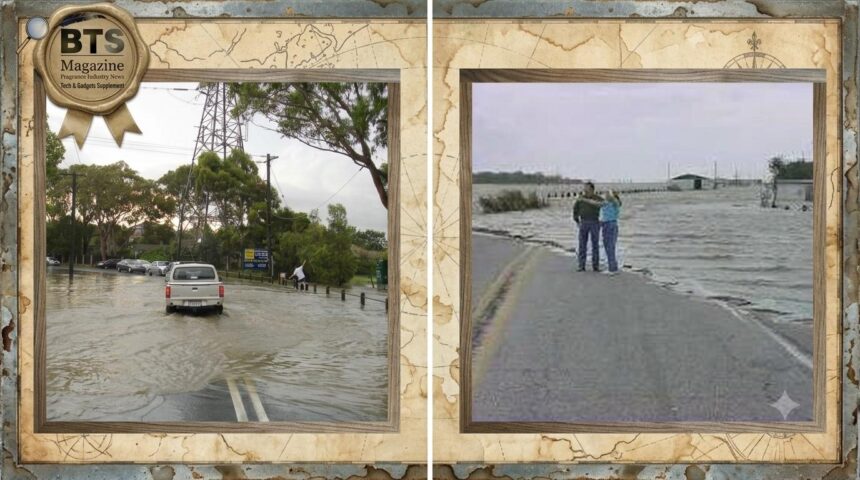
This isn’t a doomsday alert. It’s just the National Weather Service giving you a heads-up that some minor flooding is expected along the shoreline. That said, “minor” can still mean a flooded street, a ruined car, or a soaked garage if you’re not paying attention.
So What Exactly Is a Coastal Flood Advisory?
When the National Weather Service puts out a coastal flood advisory, they’re saying water is expected to spill onto low-lying coastal land. We’re talking things like roads near the water, parking areas, maybe the ground floor of buildings right on the shore.
It’s not a code-red situation. Most of the time, it’s more of a nuisance than a threat. But nuisances can turn into bigger problems fast — especially when cars and floodwater are involved.
Who Issues These Alerts and How?
The National Weather Service runs a network of local Weather Forecast Offices across the country. These offices track tides, storm systems, and ocean patterns around the clock.
When forecasters see that conditions are lining up for minor coastal flooding, they put out a coastal flood advisory for the areas likely to be affected. The whole system is built around getting people information before the water shows up — not after.
Where Do These Alerts Actually Apply?
Coastal flood advisories cover shorelines along the Atlantic, Pacific, and Gulf of Mexico. They can also apply to parts of the Great Lakes region when strong winds drive water onto shore.
One thing worth knowing: the definition of “minor flooding” isn’t the same everywhere. A few inches of water on a road in one town might be totally routine. In another, it could be a real problem. Local context matters a lot here.
Advisory, Watch, Warning — What’s the Difference?
This is where people get confused, and honestly, I don’t blame them. The three terms sound similar but they’re not interchangeable.
Coastal Flood Advisory
This one signals that minor flooding is expected. It’s the least urgent of the three. Roads might get wet, low spots near the water might flood, but you’re not looking at serious damage or danger.
Coastal Flood Watch
A watch means conditions could support coastal flooding, but nothing’s certain yet. Think of it as an early flag — pay attention, check updates, be ready to act.
Coastal Flood Warning
Now we’re in serious territory. A coastal flood warning means flooding is either happening right now or will be happening very soon. This is the one that can bring property damage and real physical risk.
Quick way to remember it: watch means stay alert, advisory means minor flooding is coming, warning means it’s already serious. Keep that in mind next time your phone buzzes.
Why Does Coastal Flooding Happen?
Water ends up on land for a few different reasons. Sometimes one factor is enough. Other times, a couple of them stack up and things get worse quickly.
Storm Surge
When a big storm rolls in off the ocean, the winds push seawater toward the coast. All that water piles up near shore and then spreads inland. Storm surge is fast-moving and one of the more dangerous forms of coastal flooding when it’s severe.
High Tide Flooding
You don’t always need a storm. Sometimes an unusually high tide is enough to push water onto roads and into parking lots. People call it “sunny day flooding” — because that’s exactly what it can look like. Blue skies, and your street is still underwater.
This kind of flooding has become more frequent in a lot of coastal towns over the past decade or so.
Full Moons and Tidal Flooding
Tides naturally run higher around full and new moons. When that happens near an already-saturated coastline, even a mild onshore breeze can tip things into advisory territory. It’s not dramatic — it’s just how tides work.
Rain and Wind Pushing Water Inward
Heavy rainfall combined with steady winds off the ocean can make drainage nearly impossible. Water that would normally flow back out gets pushed in, and low-lying areas fill up faster than expected.
What Should You Actually Do When a Coastal Flood Advisory Is Issued?
You don’t need to panic. But a few simple actions can save you a lot of grief.
Don’t Drive Through Standing Water
Seriously, just don’t. It’s impossible to judge depth from inside a car, and even six inches of fast-moving water can knock a vehicle off course. The saying “turn around, don’t drown” is repeated so often because people still ignore it — and it costs lives.
Move Your Car if It’s Parked Low
If your usual parking spot is in a low-lying area near the water, move the car to higher ground before the flooding arrives. Saltwater damage to a vehicle can be severe and isn’t always covered by basic insurance.
Lift Things Off the Ground
Anything stored in a basement, ground-floor garage, or low-lying area is at risk. Boxes, electronics, furniture — move them up if you have time. Even a few inches of water can destroy a lot.
Keep Checking Local Updates
Things can change. A coastal flood advisory doesn’t always stay a coastal flood advisory. If conditions worsen, it can be upgraded to a warning quickly. Keep your local NWS alerts turned on.
Why Do So Many People Blow It Off?
Part of it is the word “advisory” itself. It sounds soft, optional, like a suggestion rather than a warning. And a lot of the time, the flooding really is minor and things go back to normal in a few hours.
But the people who get caught out are usually the ones who assumed it wouldn’t affect them. They parked in a spot that flooded. They drove through water they thought was shallow. They left stuff on the ground floor and came home to a mess.
Taking a coastal flood advisory seriously doesn’t mean turning your day upside down. It usually just means making a couple of small decisions ahead of time.
How Frequently Do These Happen?
That really comes down to where you live. Some coastal areas deal with several advisories a year, especially during storm season or when tidal flooding is common. Other places might only see one or two.
What’s shifted recently is that high tide flooding — the kind that happens without any storm — has become more common in places that didn’t used to deal with it. If you’ve moved to the coast recently, it’s worth looking up how often your area historically sees these alerts.
Key Terms You’ll See Alongside This Alert
When a coastal flood advisory comes out, you’ll often see a few other terms in the same reports. Storm surge, tidal flooding, and high tide flooding all describe different ways water gets onto land. They’re related but not identical.
You’ll also see “coastal flood warning” come up a lot. Just remember that a warning is a step above an advisory — it means more significant flooding is expected or underway.
Frequently Asked Questions
1. Is a coastal flood advisory actually dangerous?
Not usually in a life-threatening way, but it can cause real damage and some road safety risks. Taking basic precautions — moving your car, avoiding flooded roads — goes a long way.
2. How long does a coastal flood advisory typically last?
Most last a few hours, often tied to the high tide window. Some can extend through multiple tide cycles if weather conditions stick around.
3. Do I need to evacuate during a coastal flood advisory?
No, not typically. Evacuations are usually reserved for flood warnings or major storm events. That said, always listen to local emergency officials — if they say leave, leave.
4. What’s the real difference between an advisory and a warning?
An advisory means minor flooding is expected — mostly a nuisance. A coastal flood warning means significant, potentially dangerous flooding is coming or already happening.
5. Can a coastal flood advisory get upgraded to a warning?
Yes, it happens. If conditions deteriorate faster than expected, the NWS can upgrade the alert. That’s why it’s smart to keep checking updates even after an advisory is issued.
Wrapping Up
A coastal flood advisory is the kind of thing that’s easy to dismiss — until it isn’t. Most of the time, it means a few hours of wet roads and some minor inconvenience. But for the people who didn’t move their car or drove through a flooded street, it becomes something they won’t forget.
You don’t need to do anything dramatic. Just know what the alert means, make a couple of smart calls before the water arrives, and keep your phone updated. If you want to dig into the technical side of how these advisories work, the Wikipedia page on coastal flood advisories has a solid breakdown worth bookmarking.
Continue reading: Star Wars Movie FX Maker Codes: Everything You Need to Know