

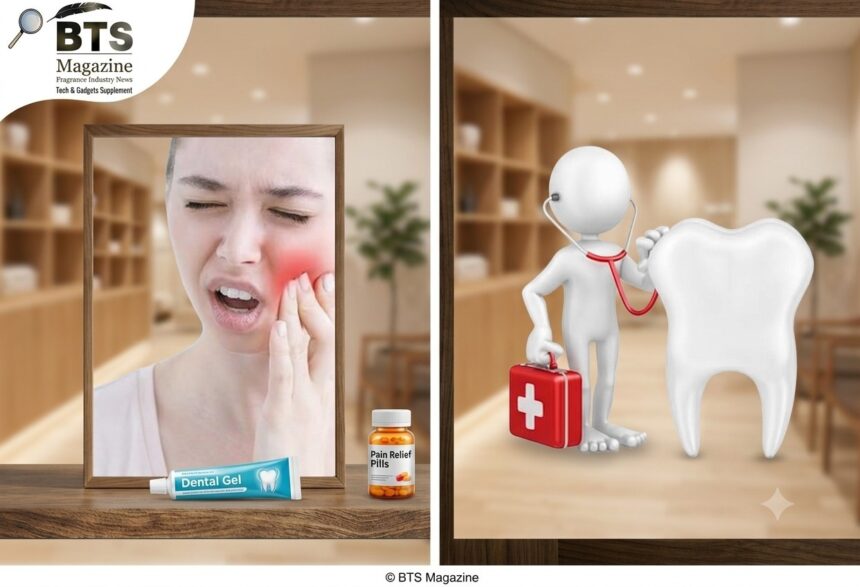
An emergency dentist can be the difference between saving a tooth and losing it. When sudden tooth pain hits at midnight or you crack a molar on a popcorn kernel, you need help fast. This guide walks you through what counts as a real dental emergency, what to do in the moment, and how to find urgent dental care when you need it most.
- What Is an Emergency Dentist?
- Why Dental Emergencies Feel So Urgent
- Background: How Dental Emergencies Happen
- Common Types of Dental Emergencies
- What to Do in a Dental Emergency
- How to Find an Emergency Dentist Near You
- Costs and Insurance for Emergency Dental Care
- Simple Ways to Prevent Dental Emergencies
- Key Facts to Remember
- Frequently Asked Questions
- 1. What counts as a dental emergency?
- 2. Can I go to the ER for tooth pain?
- 3. How fast should I see an emergency dentist for a knocked-out tooth?
- 4. What can I do for toothache relief at home?
- 5. Are same-day dental appointments really possible?
- Final Thoughts
Here’s the thing: most people don’t think about emergency dental care until they’re in pain. By then, panic sets in. So let’s clear things up before that happens.
What Is an Emergency Dentist?
An emergency dentist is a dental professional who treats urgent problems that can’t wait for a regular appointment. Think severe toothache, bleeding gums, or a knocked-out tooth.
Regular dentists focus on checkups and planned treatments. An emergency dentist handles the “I need help right now” situations, often with same-day slots.
To be honest, a lot of general dentists offer emergency services too. They just keep time open for patients who walk in with sudden problems.
Why Dental Emergencies Feel So Urgent
Teeth don’t heal on their own. Once damage starts, it usually gets worse without treatment.
Pain is your body’s warning sign. A throbbing tooth or swollen jaw often means infection or nerve damage. Ignoring it can lead to bigger issues.
What’s interesting is that some dental emergencies are also medical emergencies. A spreading infection, for example, can affect your whole body if left alone.
Background: How Dental Emergencies Happen
Most dental emergencies come from three sources: accidents, decay, or infection. A fall or sports injury can crack a tooth in seconds.
Untreated cavities weaken teeth over time. Then one bite finishes the job. Infections build slowly but can flare up fast.
The key takeaway? Small problems become emergencies when we put off care.
Common Types of Dental Emergencies
Not every ache means you need an emergency dentist. But some situations really do call for quick action. Here are the most common ones.
Knocked-Out Tooth
A knocked-out tooth is one of the most time-sensitive dental emergencies. Fast action matters a lot here.
If you can, gently place the tooth back in its socket. If not, keep it in milk or saliva and get to a dentist within the hour. Speed gives the tooth its best shot at survival.
Cracked or Broken Tooth
A cracked tooth can range from mild to serious. A small chip might wait a day. A deep break with pain needs urgent dental care.
Rinse your mouth with warm water. Use a cold compress on the outside of your cheek to reduce swelling.
Dental Abscess
A dental abscess is a pocket of infection, usually near the root of a tooth. It’s serious and shouldn’t wait.
Signs include a bad taste, fever, swelling, and intense pain. This is a clear time to see an emergency dentist right away.
Severe Toothache
Not all toothaches are emergencies. But if the pain is constant, sharp, or keeps you up at night, don’t tough it out.
Persistent tooth pain often points to infection or nerve trouble. Toothache relief at home helps for a bit, but it won’t fix the cause.
Lost Filling or Crown
A lost filling or crown exposes the tooth underneath. That can hurt and leave the tooth vulnerable.
It’s not always a true emergency, but sharp pain or a wobbly crown means you should call your dentist soon.
What to Do in a Dental Emergency
Staying calm is step one. Panic makes everything harder. Here’s a simple approach to follow.
- Assess the situation. Is there bleeding, swelling, or a lost tooth?
- Call an emergency dentist or after-hours dentist near you.
- Manage the pain. Over-the-counter painkillers can help, but follow the label.
- Protect the tooth. Save any knocked-out tooth in milk.
- Avoid heat. Skip hot foods and drinks near the sore spot.
If you have heavy bleeding, trouble breathing, or major facial swelling, go to the emergency room. Some cases need a hospital, not just a dentist.
How to Find an Emergency Dentist Near You
Finding urgent dental care isn’t always easy at 2 a.m. But a little prep goes a long way.
Search Online First
A quick search for “emergency dentist near me” usually brings up local options. Look for clinics that mention same-day dental appointments or after-hours care.
Read reviews too. Other patients often mention how quickly the office responds.
Call Your Regular Dentist
Many dental offices have an emergency line or answering service. Even if they’re closed, they may offer instructions or point you to backup care.
Save your dentist’s number in your phone now. Future-you will be grateful.
Check Urgent Care and Hospitals
Some urgent care centers handle basic dental issues. Hospitals can help with severe infections or trauma, though they may not do full dental repairs.
Costs and Insurance for Emergency Dental Care
Let’s talk money, because it’s a real concern. Emergency dental care can cost more than a routine visit, especially after hours.
Prices depend on the treatment. A simple exam might be affordable, while a root canal or extraction costs more. Ask for an estimate before treatment when you can.
Does Insurance Cover It?
Many dental insurance plans cover emergency visits, at least partly. Coverage varies, so check your plan details.
If you don’t have insurance, ask about payment plans. Plenty of clinics offer them for urgent situations.
Ways to Save on Emergency Care
- Ask about cash discounts.
- Look into dental schools, which often charge less.
- Compare a few clinics if you have time.
The goal is fast care without wrecking your budget. A quick call about pricing can save you real stress later.
Simple Ways to Prevent Dental Emergencies
You can’t dodge every accident. But good habits lower your risk a lot.
Brush twice a day and floss daily. Regular checkups catch small problems early, before they turn into an emergency.
Wear a mouthguard for sports. And go easy on hard foods like ice and popcorn kernels. Those tiny choices add up.
Key Facts to Remember
- A knocked-out tooth has the best outcome when treated within an hour.
- A dental abscess can become a serious health risk if ignored.
- Not every toothache is an emergency, but constant pain deserves a call.
- Saving your dentist’s number now makes future emergencies easier.
Frequently Asked Questions
1. What counts as a dental emergency?
Any dental problem with severe pain, bleeding, swelling, or a knocked-out tooth counts. If it can’t wait for a normal appointment, treat it as urgent.
2. Can I go to the ER for tooth pain?
You can, especially for infections, heavy bleeding, or facial swelling. But most ERs can only manage pain and infection, not fix the tooth itself.
3. How fast should I see an emergency dentist for a knocked-out tooth?
As fast as possible, ideally within one hour. Quick action gives the tooth its best chance of being saved.
4. What can I do for toothache relief at home?
Rinse with warm salt water, use a cold compress, and take over-the-counter pain relievers as directed. These help temporarily, but see a dentist for the real fix.
5. Are same-day dental appointments really possible?
Yes. Many clinics keep slots open for urgent cases. Calling early in the day improves your chances of getting seen fast.
Final Thoughts
Dental emergencies are stressful, but knowing what to do makes a huge difference. Keep an emergency dentist’s number handy, act quickly, and don’t ignore serious pain. A little preparation now saves you panic later. If you want to understand the topic more deeply, this overview of a dental emergency is a helpful place to start. Take care of your teeth, and they’ll take care of you.
Continue reading: Pimples Dermatologist: Everything You Need to Know About Treating Acne the Right Way