

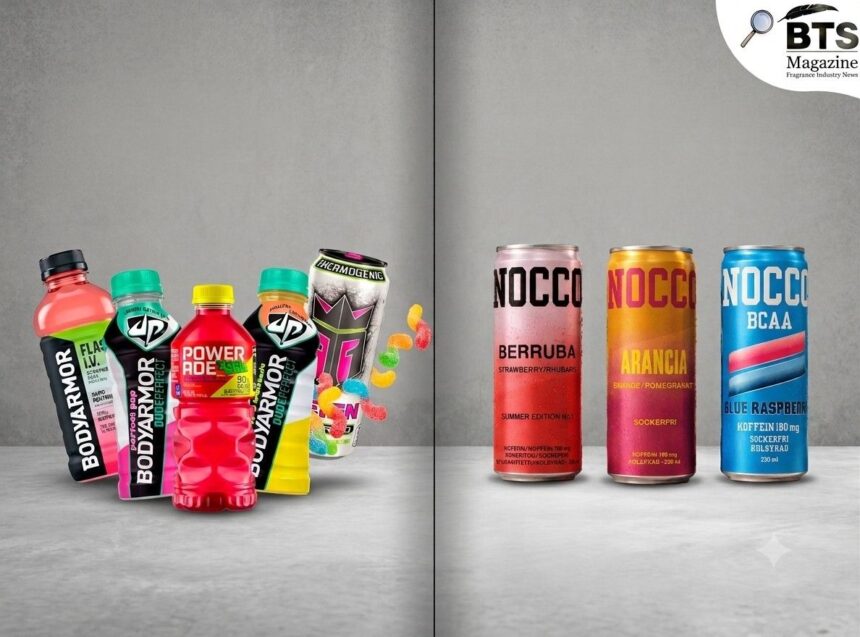
Looking for the best energy drink but feeling lost in the sea of cans on the shelf? You’re not alone. There are hundreds of options out there, all promising to wake you up, sharpen your focus, and power your workout. Some deliver. Some are just sugar water with fancy labels.
- What Is an Energy Drink, Really?
- Why People Reach for Them
- The Key Ingredients Explained
- Top Energy Drink Brands Compared
- Are Energy Drinks Bad for You?
- How to Choose the Best Energy Drink for You
- Do You Even Need One?
- Frequently Asked Questions
- What is the best energy drink for working out?
- Is a sugar-free energy drink healthier?
- How much caffeine is too much?
- Can I drink one every day?
- What’s the difference between an energy drink and coffee?
- Final Thoughts
Here’s the thing: the “best” one really depends on what you need it for. This guide breaks down what’s actually inside these drinks, which brands hold up, and how to pick one that fits your body and your goals.
What Is an Energy Drink, Really?
An energy drink is a beverage made to give you a quick energy boost. Most rely on caffeine as the main active ingredient, plus a mix of other stuff like sugar, taurine, and B vitamins.
To be honest, the recipe hasn’t changed much over the years. What changes is the marketing, the flavors, and the amount of each ingredient packed into the can.
Why People Reach for Them
People drink these for all kinds of reasons. Some want to stay awake during a long shift. Others need focus before an exam. Athletes often use one as a pre-workout drink before hitting the gym.
The goal is simple: fight tiredness and feel more alert. Whether you get there safely depends on the choice you make.
The Key Ingredients Explained
Before you decide on the best energy drink for you, it helps to know what you’re actually drinking. Let’s look at the main players.
Caffeine
Caffeine is the star of the show. It blocks the chemicals in your brain that make you feel sleepy, which is why you feel more awake after a can.
Most drinks contain between 80mg and 300mg per serving. For comparison, a cup of coffee has around 95mg. More isn’t always better, so keep an eye on the label.
Taurine
Taurine is an amino acid your body already makes. It’s added to many drinks because some studies suggest it may support heart and muscle function.
What’s interesting is that the exact effect of added taurine in these drinks isn’t fully clear. Researchers are still studying how much it really helps.
B Vitamins
B vitamins help your body turn food into energy. That’s why you’ll see them listed on almost every can.
They won’t give you a jolt like caffeine does, but they play a supporting role in how your body uses fuel.
Sugar (or No Sugar)
Regular versions can pack a lot of sugar, sometimes 40 grams or more per can. That’s a big reason a sugar-free energy drink has become so popular.
If you’re watching your calories or your blood sugar, the zero-sugar options are usually the smarter pick.
Top Energy Drink Brands Compared
Now for the part you probably came here for. Here’s a quick look at some of the most well-known brands and where they fit.
Red Bull
Red Bull is the classic. It’s got around 80mg of caffeine per 8.4oz can, plus taurine and B vitamins. It’s mild, reliable, and comes in a sugar-free version too.
Good for a light, steady boost without going overboard.
Monster
Monster comes in a bigger can with more caffeine, usually around 160mg. It has more flavor variety and stronger kick.
If Red Bull feels too soft for you, this is a common step up.
Celsius
Celsius markets itself as a fitness-focused, sugar-free energy drink. It uses green tea extract and claims to support metabolism.
A lot of gym-goers like it as a pre-workout drink because it’s lighter on the stomach.
Bang
Bang is heavy on caffeine, around 300mg per can. That’s a lot, so it’s not for everyone.
If you’re sensitive to caffeine, skip this one. If you need serious focus for a tough task, some people swear by it.
Natural and Cleaner Options
There’s a growing market for a natural energy drink that skips artificial stuff. Brands like Guru and Runa use plant-based caffeine from sources like green tea or guayusa.
These usually have fewer additives and appeal to people who want their energy boost without a long ingredient list.
Are Energy Drinks Bad for You?
This is the question everyone asks. The honest answer: it depends on how much you drink and your own health.
In moderation, most healthy adults handle them fine. Too many, though, can cause jitters, a racing heart, poor sleep, and headaches.
Watch Your Total Caffeine
Health experts suggest keeping caffeine under about 400mg a day for most adults. One strong drink can eat up most of that fast.
If you also drink coffee, the numbers add up quickly. That’s worth remembering.
Who Should Be Careful
Kids, teens, pregnant women, and people with heart issues should be cautious or avoid them altogether. If you have any concerns, talking to a doctor is the safe move.
How to Choose the Best Energy Drink for You
There’s no single winner for everyone. The best energy drink is the one that matches your needs and doesn’t leave you feeling worse later.
Match It to Your Goal
Need a light lift at work? Go for something around 80–100mg of caffeine. Prepping for a hard workout? A pre-workout drink with more punch might make sense.
Check the Sugar
If you don’t want the crash that comes after a sugar high, pick a sugar-free energy drink. You get the caffeine without the sugar rollercoaster.
Read the Full Label
Don’t just look at the front of the can. Flip it over and check the caffeine, sugar, and serving size. Some cans have two servings, which doubles everything.
Try Before You Commit
Everyone reacts differently. What gives your friend a smooth energy boost might make you jittery. Start small and see how your body responds.
Do You Even Need One?
Here’s a fair question worth asking. Sometimes tiredness is a sign you need water, food, or sleep, not caffeine.
A glass of water and a short walk can do more than you’d expect. Save the can for when you truly need the extra push.
Frequently Asked Questions
What is the best energy drink for working out?
Many people pick a sugar-free option with moderate caffeine, like Celsius, as a pre-workout drink. It gives focus without a heavy sugar load. Still, the best energy drink for your workout is one your body tolerates well.
Is a sugar-free energy drink healthier?
Generally, yes, if you’re trying to cut calories or avoid sugar spikes. Just remember they still contain caffeine, so moderation matters either way.
How much caffeine is too much?
Most healthy adults should stay under about 400mg per day. One strong drink can be close to that limit, so track your total across coffee and other sources.
Can I drink one every day?
Some people do, and handle it fine in small amounts. But relying on a daily energy boost can affect your sleep and lead to tolerance. Try to use them now and then, not as a habit.
What’s the difference between an energy drink and coffee?
Coffee mostly gives you caffeine and antioxidants. An energy drink adds taurine, B vitamins, and often sugar. A natural energy drink sits somewhere in between, using plant-based caffeine with fewer additives.
Final Thoughts
So, what’s the takeaway? The best energy drink isn’t about the loudest brand or the biggest can. It’s about knowing what’s inside, matching it to your needs, and not overdoing it.
Pick one with a caffeine level you can handle, watch the sugar, and listen to your body. If you want to dig deeper into the science and history behind these beverages, the Wikipedia page on energy drinks is a solid place to keep reading. Drink smart, stay balanced, and let the can be a helper, not a crutch.
Continue reading: Picuki: The Free Instagram Viewer and Editor You Should Know About