

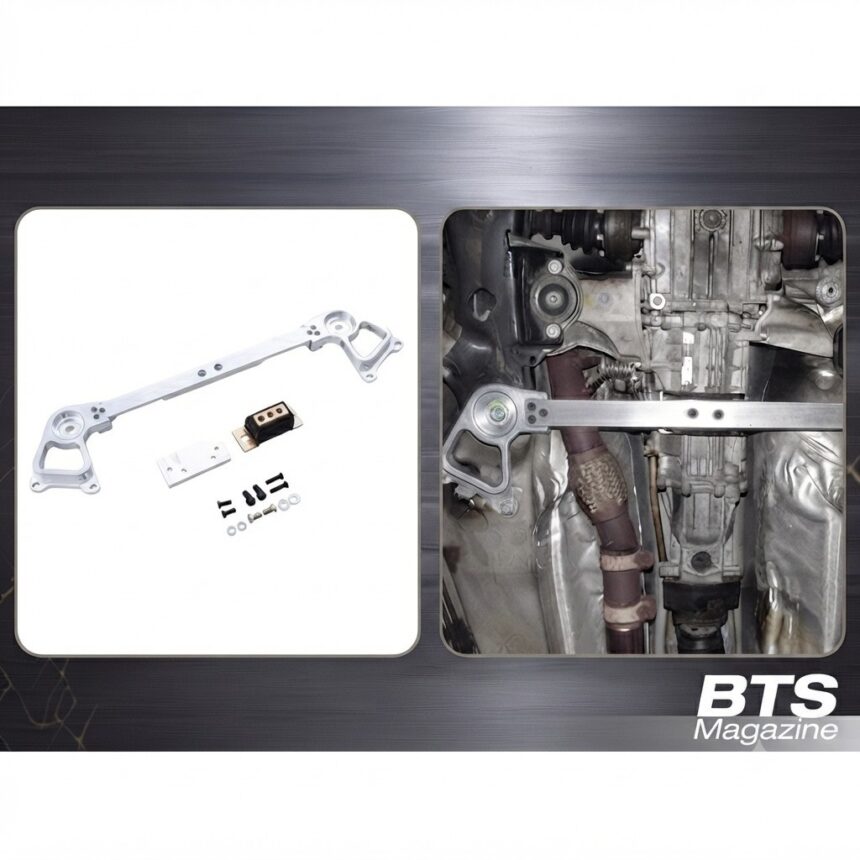
A drivetrain stabilizer is one of those parts most drivers never think about—until something starts shaking or clunking under the car. It’s a small component with a big job. To be honest, it quietly keeps your vehicle running smooth, and you only notice it when it stops doing its job well.
- What Is a Drivetrain Stabilizer?
- Why Does a Drivetrain Even Need Stabilizing?
- How Does a Drivetrain Stabilizer Work?
- Common Parts Connected to the Drivetrain Stabilizer
- Types of Drivetrain Stabilizers
- Signs Your Drivetrain Stabilizer Is Failing
- What Happens If You Ignore a Bad Stabilizer?
- How Long Does a Drivetrain Stabilizer Last?
In this post, I’ll walk you through what a drivetrain stabilizer actually does, how it works, the common signs of failure, and what to know before replacing one. Let’s keep it simple.
What Is a Drivetrain Stabilizer?
A drivetrain stabilizer is a part designed to reduce movement, vibration, and shock in your vehicle’s driveline. The driveline is the group of parts that send power from the engine to the wheels.
Here’s the thing—when your engine produces power, it also produces twisting force called torque. That torque wants to move things around. A drivetrain stabilizer helps hold everything steady so the ride stays smooth.
You’ll sometimes hear it called a driveline stabilizer too. Same idea, slightly different wording depending on the manufacturer.
Why Does a Drivetrain Even Need Stabilizing?
Power delivery isn’t gentle. When you accelerate hard or shift gears, the drivetrain reacts. Without something to control that motion, you’d feel every jolt.
The stabilizer absorbs and limits that movement. It keeps the transmission, driveshaft, and related parts sitting where they should. That means less driveline vibration reaching your seat and steering wheel.
Takeaway: A stable drivetrain equals a quieter, more comfortable, and safer ride.
How Does a Drivetrain Stabilizer Work?
Most drivetrain stabilizers rely on rubber or fluid-filled mounts to soak up energy. Think of it like a shock absorber, but for engine and transmission movement.
When torque hits the system, the stabilizer flexes and dampens the force. It slows the shaking down instead of letting it bounce around the whole car.
What’s interesting is that this happens hundreds of times per drive, and you rarely notice it working. That’s the sign of a good stabilizer.
The Role of Torque Control
A drivetrain stabilizer often works alongside a torque arm. The torque arm limits how much the engine and transmission twist during acceleration.
Together, they keep the powertrain planted. Less twisting means smoother shifts and better traction.
Common Parts Connected to the Drivetrain Stabilizer
A stabilizer doesn’t work alone. It’s part of a larger support system. Here are the parts that usually work with it:
- Transmission mount – holds the transmission in place
- Drivetrain mount – secures driveline components to the frame
- Vibration damper – reduces harmonic vibrations
- Driveshaft support – steadies the spinning driveshaft
- Torque arm – controls engine and transmission twist
Each of these plays a role in overall vehicle stability. When one wears out, the others often feel the strain.
Types of Drivetrain Stabilizers
Not every vehicle uses the same setup. The design depends on layout, drivetrain type, and manufacturer choices.
Rubber Bushing Stabilizers
These are the most common. They use dense rubber to absorb movement. They’re affordable, reliable, and easy to replace.
Hydraulic (Fluid-Filled) Stabilizers
Some vehicles use fluid-filled mounts for extra smoothness. The fluid helps dampen vibration better than rubber alone.
Performance Stabilizers
Modified or performance cars sometimes use stiffer stabilizers. They handle higher torque but transmit a bit more vibration. It’s a trade-off between comfort and control.
Signs Your Drivetrain Stabilizer Is Failing
Parts wear out over time, and this one is no exception. Rubber cracks, mounts loosen, and fluid can leak.
Watch for these warning signs:
- Noticeable driveline vibration while accelerating
- Clunking or knocking sounds under the vehicle
- Shaking felt through the seat or steering wheel
- Rough or jerky gear shifts
- Excess engine or transmission movement
If you feel more shaking than usual, don’t ignore it. A worn stabilizer puts stress on nearby parts like the transmission mount and driveshaft support.
So what? Catching it early saves you from bigger repair bills later.
What Happens If You Ignore a Bad Stabilizer?
Here’s the thing—it won’t fix itself. A failing drivetrain stabilizer keeps getting worse.
The extra movement can damage the driveline mount, wear out bushings faster, and even stress the transmission. Over time, that small problem turns into a costly one.
Ignoring it also affects vehicle stability, which matters most when you’re braking or turning at speed.
How Long Does a Drivetrain Stabilizer Last?
There’s no exact number, and I won’t pretend there is. Lifespan depends on driving habits, road conditions, and vehicle type.
That said, rubber components often last many years before wearing down. Heavy towing, hard driving, and rough roads speed up the wear.
If your car has high mileage, it’s worth inspecting the stabilizer during rout
Continue reading: What is Physics? Everything You Need to Know About the Science of Everything