

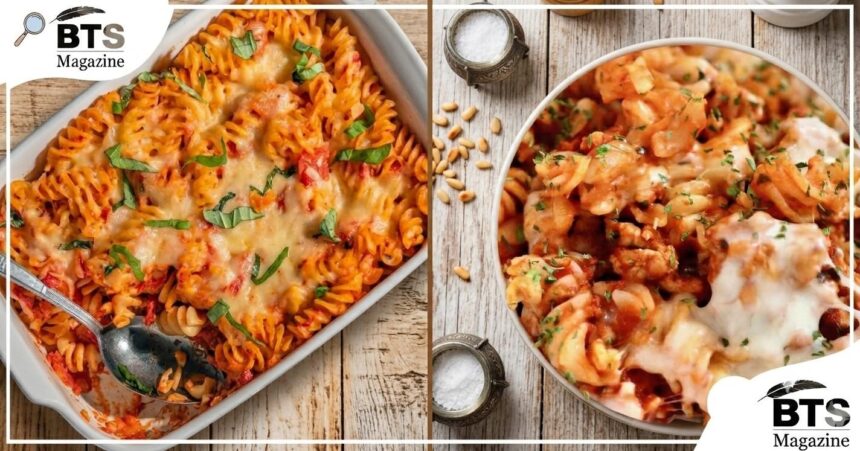
Rotini is one of those pasta shapes that just makes dinner more fun. Those little corkscrew twists hold onto sauce like nothing else, and they look great on the plate too. If you’ve ever wondered what makes this spiral pasta so popular, you’re in the right place.
- What Is Rotini?
- A Quick Look at the Background
- Rotini vs. Fusilli: What’s the Difference?
- Why the Shape Matters So Much
- Best Sauces for Rotini
- Great Dishes You Can Make
- How to Cook Rotini the Right Way
- A Few Cooking Mistakes to Avoid
- Nutritional Info You Should Know
- Storing Rotini
- Why Rotini Is a Pantry Must-Have
- Quick Tips for Buying Rotini
- Final Thoughts
Let’s break it all down in plain, simple terms.
What Is Rotini?
Rotini is a short, twisted pasta shaped like a spring or corkscrew. The name comes from the Italian word for “small wheels” or “twists,” which makes a lot of sense once you see it.
Here’s the thing about its shape. Those tight spirals create lots of nooks and grooves. That means sauce, cheese, and tiny bits of veggies cling right onto each piece.
To be honest, that’s the whole reason people love it. You get flavor in every single bite.
A Quick Look at the Background
Pasta itself has deep roots in Italy, where wheat flour and water (or eggs) get shaped into all sorts of forms. Rotini fits right into that long tradition of Italian pasta.
What’s interesting is that the corkscrew shape isn’t just for looks. It was designed to trap sauce better than smooth, straight noodles ever could.
The result is a pasta that works well across many kinds of dishes, from quick weeknight meals to big family gatherings.
Rotini vs. Fusilli: What’s the Difference?
People mix these two up all the time, and honestly, it’s easy to see why. Both are spiral pasta shapes, and in some places, the names even overlap.
Here’s a simple way to think about it.
The Spiral Shape
Rotini usually has a tighter, more defined corkscrew twist. The spirals look like a coiled spring.
Fusilli often has a looser, longer twist. Some versions look more like a screw than a coil.
The Texture
Because rotini’s twists are tighter, it tends to grab onto thick sauces a little more aggressively. Fusilli does the same job but with a slightly different feel in the mouth.
Same Family, Different Names
In the United States and Canada, the words “rotini” and “fusilli” sometimes get used for the same thing. So if you grab a box labeled one way and it looks like the other, don’t stress. They’re close cousins in the pasta world.
Why the Shape Matters So Much
Pasta shapes aren’t random. Each one is built for a purpose, and rotini’s design is all about holding sauce.
Think about a flat noodle. Sauce slides right off it. Now picture a corkscrew pasta with all those ridges and curves. Sauce gets stuck in every twist.
That’s why rotini shines with chunky, hearty sauces. It just makes sense.
Best Sauces for Rotini
Not every sauce pairs the same with every pasta. Some work better than others, and rotini has a few clear favorites.
Thick and Chunky Sauces
Meat sauces, marinara with veggies, and creamy Alfredo all cling beautifully to rotini. The grooves catch the chunks and keep them from sliding away.
Pesto
Pesto is a great match too. The thick, herby sauce settles right into those spirals. Every forkful gets a strong burst of basil and garlic.
Cheese Sauces
Mac and cheese made with rotini? Yes, please. The cheese fills all the little gaps, so you get gooey goodness in each bite.
Great Dishes You Can Make
Rotini is super flexible. You can use it in hot meals, cold meals, and everything in between.
Pasta Salad
This is probably the most famous use. Cold pasta salad with rotini, fresh veggies, olives, and a tangy dressing is a picnic classic.
The spiral shape holds the dressing well, so the salad never tastes dry.
Baked Pasta
You can bake rotini with sauce and cheese for a comforting casserole. It holds its shape even after time in the oven.
Quick Weeknight Dinners
Short on time? Boil some rotini, toss it with sauce, and dinner’s ready in minutes. It’s one of the easiest pasta shapes to work with.
How to Cook Rotini the Right Way
Cooking rotini is simple, but a few small tips make a big difference.
Use Plenty of Water
Fill a big pot and bring it to a strong boil. Pasta needs room to move around so it cooks evenly.
Salt the Water
Add a good pinch of salt once the water boils. This is your main chance to season the pasta itself.
Watch the Time
Most rotini cooks in about 7 to 9 minutes, but check the box. You want it tender but still slightly firm, what Italians call “al dente.”
Save Some Pasta Water
Before you drain, scoop out a cup of that starchy water. It helps your sauce stick and adds a silky texture.
A Few Cooking Mistakes to Avoid
Even a simple pasta can go wrong. Here are common slip-ups.
Don’t overcook it. Mushy rotini loses that nice chewy bite.
Don’t rinse it after draining (unless you’re making pasta salad). Rinsing washes away the starch that helps sauce cling.
Don’t skip the salt. Bland pasta makes the whole dish feel flat.
Nutritional Info You Should Know
Rotini is mostly made from wheat flour, so it’s a carb-based food. A standard serving gives you energy, some protein, and a little fiber.
What’s interesting is that you can find different versions now. Whole wheat rotini adds more fiber. There are also options made from chickpeas, lentils, or brown rice for folks who want something different.
To be honest, the toppings often matter more than the pasta itself. Load it with veggies and lean protein, and you’ve got a balanced meal.
Storing Rotini
Dry rotini lasts a long time in your pantry. Keep the box sealed and stored somewhere cool and dry.
Cooked rotini is different. Pop leftovers in the fridge in a sealed container, and eat them within a few days for the best taste.
Why Rotini Is a Pantry Must-Have
If you cook at home even a little, rotini earns its spot in the cupboard. It’s cheap, easy, and works with almost anything.
You can build a fancy dinner or a simple lunch around it. That kind of flexibility is hard to beat among pasta shapes.
Quick Tips for Buying Rotini
Look for brands made from durum wheat or semolina. These tend to hold their shape and texture better.
Check the cook time on the box, since it can vary. And if you’re eating gluten-free, double-check the label for the right ingredients.
Final Thoughts
So there you have it. Rotini is a fun, useful, and tasty spiral pasta that fits into all kinds of meals. From warm casseroles to cool pasta salad, it handles everything with ease.
One last thing worth knowing. In some regions, rotini is also called fusilli, and you can read more about that connection on the Fusilli Wikipedia page. Either way, this little corkscrew pasta deserves a place in your kitchen
Continue reading: Rob Reiner Net Worth: The Incredible Fortune Behind a Hollywood Legend