
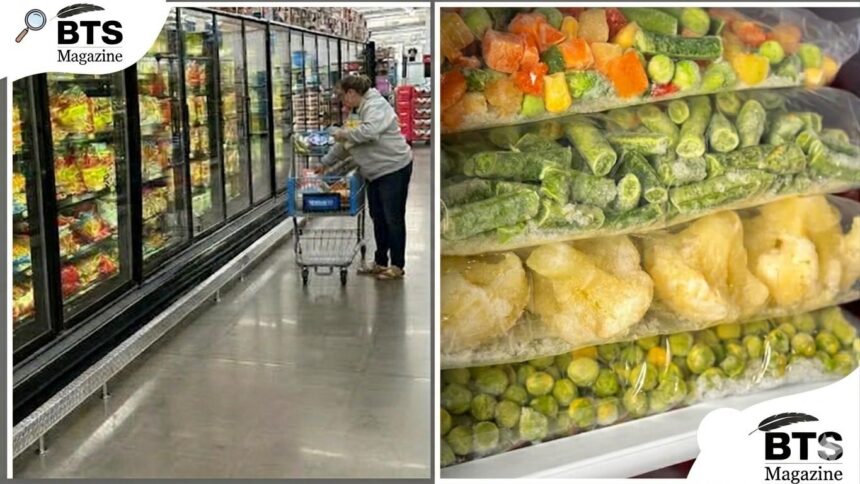
Frozen food recall incidents have become an important topic for shoppers who rely on frozen meals, vegetables, seafood, and ready-to-eat products. When a frozen product is removed from stores because of safety concerns, many people immediately wonder whether the food in their freezer is still safe to eat.
- What Is a Frozen Food Recall?
- Why Frozen Foods Get Recalled
- How Food Recall Systems Work
- Common Types of Frozen Foods That Are Recalled
- Signs That a Product May Be Recalled
- Recent Frozen Food Recall Examples
- What Should You Do During a Frozen Food Recall?
- How to Stay Updated on Food Recalls
- Are All Frozen Food Recalls Dangerous?
- The Impact on Food Companies
- Food Safety Tips for Consumers
- Why Recalls Can Actually Improve Food Safety
- The Future of Frozen Food Safety
- Final Thoughts on Frozen Food Recall
Here’s the thing: food recalls happen more often than many consumers realize. Most recalls are issued to protect public health before serious problems become widespread.
What Is a Frozen Food Recall?
A frozen food recall happens when a manufacturer, distributor, or government agency asks consumers to stop using a specific frozen product because it may be unsafe.
The recall can involve:
- Bacterial contamination
- Undeclared allergens
- Foreign objects
- Packaging errors
- Incorrect labeling
- Chemical contamination
The goal is simple: remove potentially unsafe products before they cause illness or injury.
Why Frozen Foods Get Recalled
Frozen products are generally considered safe because freezing slows bacterial growth. However, freezing does not kill every harmful organism.
Some common reasons behind a frozen food recall include:
Bacterial Contamination
Listeria, Salmonella, and other bacteria sometimes contaminate frozen vegetables, seafood, or prepared meals.
Several frozen blueberry and spinach recalls have occurred because of possible Listeria contamination.
Undeclared Allergens
Food labels must list ingredients that can trigger allergic reactions.
If soy, wheat, milk, peanuts, or other allergens are missing from the label, companies often issue recalls.
Foreign Materials
Pieces of plastic, wood, metal, or glass occasionally enter products during manufacturing.
Some recent recalls involved possible plastic contamination and wood-like material inside frozen meals.
How Food Recall Systems Work
Government agencies monitor food safety and investigate complaints.
In the United States, agencies such as the FDA and USDA help coordinate recalls when safety concerns appear.
Manufacturers may also voluntarily issue a frozen food recall after discovering a problem during quality testing.
What’s interesting is that many recalls happen before consumers report illnesses.
Common Types of Frozen Foods That Are Recalled
Almost any frozen product can be affected.
Frozen Meals
Prepared dinners, pasta dishes, meatloaf meals, and ready-to-eat products are sometimes recalled because of allergens or foreign materials.
Several frozen meal recalls have occurred in recent years.
Frozen Vegetables
Spinach, broccoli, peas, and mixed vegetables have occasionally been recalled because of bacterial contamination.
Frozen Seafood
Shrimp recalls have happened because of Salmonella concerns and other contamination risks.
Frozen Fruits
Blueberries, raspberries, and berry mixes have also experienced recalls due to possible contamination risks.
Signs That a Product May Be Recalled
Consumers should check:
- Brand name
- Product size
- Lot number
- Best-by date
- UPC code
- Manufacturing code
A frozen food recall usually applies only to specific batches rather than every product sold by a company.
This detail often prevents unnecessary food waste.
Recent Frozen Food Recall Examples
Several recent cases show how different problems can affect frozen products.
Frozen Meals and Allergen Risks
A recall involving frozen meatloaf meals occurred because soy was not listed on the packaging, creating risks for people with allergies.
Plastic Contamination
Plant-based frozen products were recalled after reports of plastic pieces inside some packages.
Glass Contamination
Large recalls have involved frozen rice dishes and meals because of possible glass fragments.
What Should You Do During a Frozen Food Recall?
If you discover a recalled item in your freezer, do not eat it.
Most manufacturers recommend:
- Throwing away the product.
- Returning it to the store.
- Contacting customer service.
- Keeping the packaging for identification.
To be honest, many people forget about products stored in the back of the freezer, which is why checking recall notices matters.
How to Stay Updated on Food Recalls
Consumers can stay informed by:
- Checking government food safety websites.
- Following recall announcements.
- Reading grocery store notices.
- Signing up for food safety alerts.
Many recalls are announced quickly through news outlets and official agencies.
Are All Frozen Food Recalls Dangerous?
Not every frozen food recall involves severe health risks.
Some recalls involve:
- Label mistakes
- Missing ingredients
- Packaging problems
Others involve potentially serious health concerns such as Listeria or Salmonella.
The level of danger depends on the specific issue.
The Impact on Food Companies
A frozen food recall can be expensive.
Companies may face:
- Product losses
- Shipping costs
- Refund expenses
- Reputation damage
- Increased inspections
Many manufacturers invest heavily in food safety systems to prevent these situations.
Food Safety Tips for Consumers
You can reduce risk by following a few simple habits.
Check Your Freezer Regularly
Avoid keeping products long after expiration dates.
Save Product Packaging
The package often contains lot numbers needed during a frozen food recall.
Cook Foods Properly
Cooking food to recommended temperatures can reduce some risks.
Follow Recall Instructions
Always follow official recommendations regarding disposal or returns.
Why Recalls Can Actually Improve Food Safety
It may sound surprising, but recalls often show that food safety systems are working.
Problems are identified.
Products are removed.
Consumers are warned.
This process helps prevent larger outbreaks and protects public health.
The Future of Frozen Food Safety
Technology continues to improve food tracking.
Manufacturers now use:
- Better quality testing
- Improved traceability systems
- Digital tracking
- Faster notification systems
These tools make it easier to identify affected products quickly.
Final Thoughts on Frozen Food Recall
Frozen food recall events can seem alarming, but they play an important role in protecting consumers. Most recalls are precautionary, and many products are removed before widespread illness occurs.
Understanding how recalls work helps shoppers make better decisions and stay informed about food safety. Readers who want to learn more about the general concept of product recalls and food safety can also explore the related Wikipedia articles on Product Recall and Food Safety, which provide useful background information for understanding why recalls happen and how they protect consumers.
Continue reading: Kai Cenat Net Worth: How a Brooklyn Kid Built a $45 Million Empire