
Education is something we all go through, but most of us never stop to ask what it actually means. We just sort of live inside it. School, homework, exams, then maybe college or a job. But it runs way deeper than that.
- So What Is Education, Really?
- Where Learning Actually Happens
- The Different Types of Education
- Why Education Matters More Than We Admit
- The Problems Nobody Likes to Talk About
- Teachers Carry the Whole Thing
- Parents Are Part of It Too
- How Technology Changed the Game
- Education and Your Career
- The Global Picture
- Small Ways to Improve Education
- Where Learning Goes From Here
- A Few Final Words
I wanted to write this in plain words. No fancy talk. Just a real look at what education is, where it happens, and why it still matters so much.
Let’s get into it.
So What Is Education, Really?
Strip it down, and education is the process of gaining knowledge and skills. That’s it at the base level.
But it’s not only about facts you memorize for a test. It’s about learning how to think. How to ask questions. How to figure things out when nobody hands you the answer.
And here’s the thing. That kind of learning never stops. You’re doing it right now, reading this.
Where Learning Actually Happens
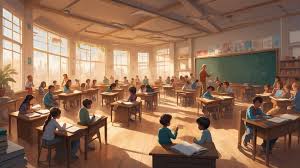
Most people picture a classroom when they hear the word. Desks, a whiteboard, a teacher up front.
But honestly, that’s a small slice of it.
Learning happens at the dinner table when a parent explains something. It happens on a job site. It happens late at night when you fall down a rabbit hole of videos about something random.
Schools matter, no doubt. They just aren’t the only place where education lives.
The Different Types of Education
There’s more than one flavor here, and it helps to know the difference.
Formal Education
This is the structured kind. Primary schools, high schools, universities. It follows a set curriculum and usually ends with a certificate or a degree.
It’s organized, graded, and tracked. Most of us spend years inside this system.
Informal Education
No plan, no grades. Just life teaching you stuff.
Learning to cook from your grandmother. Picking up a language because you moved somewhere new. This kind sneaks up on you, but it sticks.
Non-Formal Education
This one sits in the middle. Think adult literacy classes, weekend workshops, or short skill-based training programs.
It’s organized, sure, but flexible. No strict timetable hanging over your head.
Why Education Matters More Than We Admit
To be honest, the value of education goes far past landing a job.
It shapes how you see the world. It builds the confidence to question things instead of just accepting them. Students who learn well tend to make better choices, big and small.
And literacy alone changes everything. Reading and writing open doors that stay locked for people who never got the chance to learn them.
That’s not a small thing. That’s a whole different life.
The Personal Side
When you learn something new, you feel it. That little spark of “oh, I get it now.”
That feeling builds over time. It makes people braver about trying harder things.
The Bigger Ripple
Communities with good access to education tend to be healthier and safer. People understand their rights. They vote with more thought. They look out for each other.
One person’s learning quietly spreads to others. It always does.
The Problems Nobody Likes to Talk About
It’s not all sunshine, though. Education has some real cracks in it.
Plenty of kids still don’t have decent schools. In some places there aren’t enough teachers, or the buildings are falling apart. Some children walk for miles just to sit in one class.
Then there’s cost. Higher education especially can drain a family’s savings, and not everyone can pay. A lot of bright students never get the shot they deserve.
And let’s be real about curriculum. Some of what gets taught feels stuck in the past. It doesn’t always match the skills people actually need now.
These aren’t easy fixes. But pretending the problems don’t exist helps nobody.
Teachers Carry the Whole Thing
You can throw all the technology you want at a classroom. Teachers still hold it together.
A good one notices when a kid is struggling. They find a new way to explain something until it clicks. That human attention is hard to replace with any app.
Teaching is exhausting work, by the way. It takes patience and creativity and a lot of heart. We don’t thank them nearly enough.
Parents Are Part of It Too
The early years happen at home, long before any school gets involved.
Kids pick up their first words, habits, and values from the people around them. When a parent reads with a child or just asks about their day, it adds up.
Here’s the thing. Education works best as a team. Schools, teachers, families, all pulling in the same direction.
How Technology Changed the Game
The way we learn has shifted a lot, and tech is a big reason why.
We went from clay tablets to chalkboards to phones in our pockets. What’s interesting is how the goal stayed the same the whole time. Help people understand the world a little better.
Now a student can pull up a lesson on almost anything in seconds. That access alone is wild compared to how things used to be.
Online Learning and What It Actually Offers
Online learning grew fast, especially over the last several years. You can take a course from your couch with just a laptop and some Wi-Fi.
There are platforms for coding, cooking, business, full academic degrees, you name it. For working adults or people far from any campus, that flexibility is huge.
But it’s not magic. Online learning needs decent internet and a good amount of self-discipline. Not everyone has both, so it works better for some folks than others.
Education and Your Career
Let’s talk money and jobs for a second.
Higher education can open the door to better-paying work. That’s true. But a degree alone isn’t the golden ticket people sometimes think it is.
Real skills matter just as much. Communication, problem-solving, the ability to actually do the work. Employers care about that.
Skills Over Paper
These days a lot of companies want to see what you can build, not just what’s framed on your wall.
That’s why mixing formal education with hands-on practice works so well. You get the knowledge, plus the ability to use it in the real world.
And learning doesn’t stop once you’re hired. The people who keep growing usually keep moving up.
The Global Picture
Access to education is wildly uneven across the world.
Some kids have shiny new schools with every resource. Others have a single shared book and a roof that leaks.
In certain regions, girls still face extra hurdles just to attend class. Poverty and old cultural barriers get in the way. A lot of groups are fighting to change this, but I won’t pretend the road is short. It isn’t.
The hopeful part? More children are in school now than ever before. Online tools are slowly reaching places that schools never could.
Small Ways to Improve Education
So what can any of us actually do? More than you’d guess.
If you’re a student:
- Stay curious and ask questions, even the ones that feel silly
- Mix up how you study, notes one day, videos the next
- Take breaks so your brain can breathe
- Stop fearing mistakes, that’s literally how learning works
If you’re a parent:
- Read with your kids and talk about ideas, not just chores
- Make a quiet corner for studying
- Praise the effort, not only the grade
- Stay involved without turning into a drill sergeant
If you’re in a position to shape things:
- Pay teachers fairly and invest in real schools
- Update the curriculum to match how the world works now
- Push for better internet so online learning reaches everyone
- Back free or low-cost programs for families who need them
None of these are huge on their own. Together, though, they move the needle.
Where Learning Goes From Here
Looking ahead, education will keep shifting. Expect more tech, more flexibility, and a bigger focus on learning your whole life instead of just for a few years.
Some things won’t change, though. We’ll always need good teachers, curious minds, and families that care.
Honestly, the core of it was never really about gadgets or buildings. It’s about people growing into who they could become.
A Few Final Words
Education shapes who we are and what we get to do with our lives. It’s personal, it’s powerful, and it’s full of second chances.
Whether it happens in a classroom, online, or at the kitchen table, every bit of learning counts for something.
So keep supporting students. Keep valuing teachers. Keep pushing for fairer access wherever you can. A world that learns well is a better world to live in, and that’s worth the effort.
Continue reading: gd7 playz.blogspot/2025/03/rbs.html: What This URL Actually Means and Is It Safe?