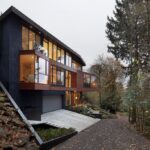

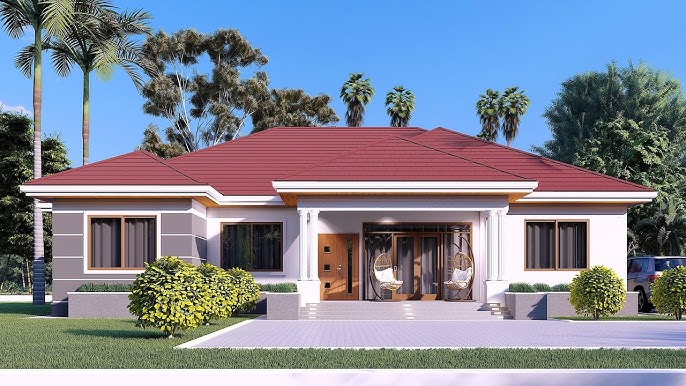
If you have ever scrolled through real estate listings or interior design boards, you have probably noticed the massive popularity of the classic mod house. The sleek lines, large windows, and timeless appeal make it stand out immediately.
Here’s the thing. This architectural style is not just a passing trend.
It has been around for decades and continues to capture the hearts of homeowners everywhere.
Whether you are looking to buy, build, or just redecorate your current space, understanding the fundamentals of this design is key. Let us look at what makes these homes so special and how you can bring that same magic into your own living space.
What Exactly Is a Mod House?
To be honest, the term gets thrown around a lot.
Some people use it to describe mid-century modern architecture. Others use it as a shorthand for modern modular homes.
For the most part, when people talk about a mod house, they are referencing that iconic, retro-modern aesthetic that peaked in the 1950s and 60s. Think flat roofs, clean geometric lines, and a deep connection to nature.
The Roots of Mid-Century Modern Architecture
The whole movement started as a response to the overly ornate and cluttered styles of the past.
Architects wanted to create spaces that were functional and unpretentious. They focused on simplicity.
After World War II, there was a huge demand for housing. Builders needed designs that were easy to replicate but still looked beautiful. That is how the classic aesthetic was born.
Modular vs. Mid-Century: Clearing Up the Confusion
What’s interesting is that the word “mod” can mean two different things today.
Sometimes, it refers to prefab or modular homes, which are built in factories and assembled on-site.
While a modular home can certainly be designed in a mid-century style, the two terms are not exactly the same. However, both share a love for efficiency and clean design.
Why Everyone Seems to Want One
Walk through any neighborhood with these homes, and you will see why they sell so fast.
They just feel different from standard suburban builds.
Minimalist Appeal
People are tired of clutter.
A mod house naturally encourages a minimalist lifestyle because the architecture itself is the focal point. You do not need a ton of decorations when your walls are made of glass.
Connection to Nature
One of the biggest selling points is how these homes blend in with their surroundings.
Instead of sitting awkwardly on a plot of land, they look like they belong there. The design bridges the gap between indoor comfort and outdoor beauty.
Key Features You Will Always Notice
If you are trying to identify this style of home out in the wild, there are a few dead giveaways.
Once you know what to look for, you will start seeing them everywhere.
Flat or Slanted Roofs
Forget the traditional triangular roof.
These homes usually feature flat roofs or dramatic, asymmetrical slants. This gives the building a low profile that hugs the ground.
Floor-to-Ceiling Windows
This is arguably the most famous feature.
Entire walls are often made of glass. It floods the space with natural light and makes even a small footprint feel massive.
Bringing the Outside In
Because of all that glass, the outdoor landscape becomes your wallpaper.
Architects often designed the patios and courtyards to feel like natural extensions of the living room.
Open Concept Floor Plans
Long before open-concept became a buzzword on home improvement shows, this architectural style was doing it.
The kitchen, dining, and living areas usually flow together without restrictive walls.
How to Style the Interior Properly
You finally have the keys to your new place, or maybe you just want your current apartment to look the part.
Styling is everything.
Choosing the Right Furniture
You cannot just throw a bulky, overstuffed couch into a mod house and expect it to look right.
The furniture needs to match the architecture. Look for pieces with tapered wooden legs, low profiles, and organic curves.
Iconic Pieces to Look For
Keep an eye out for classics like the Eames lounge chair, tulip tables, and teak sideboards.
Even if you cannot afford originals, many affordable brands make high-quality replicas that capture the exact same vibe.
Picking a Color Palette
The base colors should be warm and earthy.
Think mustard yellow, olive green, burnt orange, and rich warm woods like walnut or teak.
You can mix these with stark white walls to create a crisp, clean contrast.
Buying vs. Building
If you are in the market, you have two main options. You can either hunt down an original or build a brand new one.
Both paths have their pros and cons.
Restoring an Original
There is nothing quite like owning a piece of history.
Finding an untouched mod house from the 1960s is a dream for many.
But be prepared. Older homes often need updated plumbing, new roofs, and better insulation. The single-pane glass walls look great, but they are terrible for energy efficiency.
Going the Prefab Route
If you do not want to deal with renovations, building a new one is a great alternative.
Many modern builders specialize in mid-century inspired prefab homes. You get all the classic looks but with modern energy standards and brand-new materials.
The Future of Modern Housing
The aesthetic is clearly here to stay.
As we move forward, builders are combining that classic 1950s look with smart home technology and sustainable materials.
We are seeing homes that look completely retro on the outside but are powered entirely by solar panels hidden on their flat roofs.
It is the perfect blend of past and future. The timeless nature of a well-designed mod house ensures that it will remain highly sought after for generations to come.
Continue reading: A Complete Guide to House of Wu: Finding Your Perfect Dress