

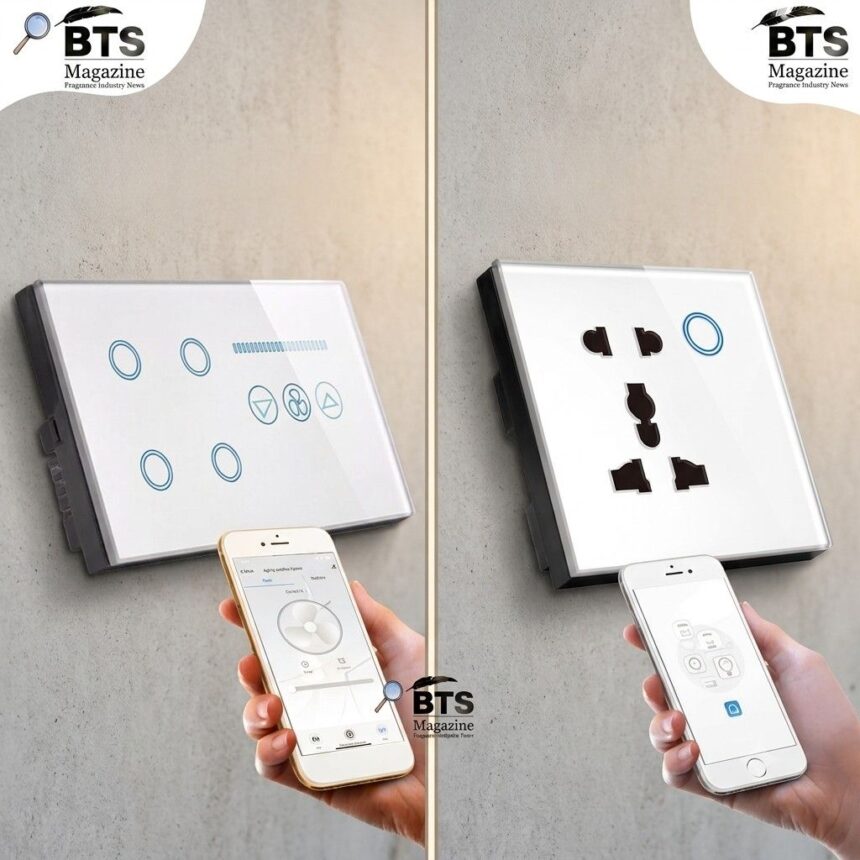
Wall electronic devices have quietly become one of the most useful upgrades you can add to a home, office, or shop. From slim screens that show ads to smart panels that control your lights, there’s a lot happening on our walls these days. And honestly, most people don’t realize how much choice they actually have.
- What Does “Wall Electronic” Actually Mean?
- Why Wall-Mounted Electronics Are So Popular
- Common Types of Wall Electronic Products
- Wall Electronics in Business Settings
- Key Features to Look For
- Wall Electronic Setup Tips
- Are Wall Electronics Worth It?
- Common Mistakes to Avoid
- The Future of Wall Electronics
- Quick Recap of Wall Electronic Basics
- Frequently Asked Questions
- 1. What is a wall electronic device?
- 2. Can I install wall-mounted electronics myself?
- 3. What’s the difference between a smart wall display and a normal screen?
- 4. Are electronic wall panels only for smart homes?
- 5. Do wall electronics use a lot of power?
- Final Thoughts
Here’s the thing: “wall electronic” is a pretty broad term. It covers everything from a wall-mounted screen in your living room to a full LED wall display at a stadium. So let’s break it all down in plain English.
What Does “Wall Electronic” Actually Mean?
A wall electronic device is basically any powered gadget or display that mounts onto a wall instead of sitting on a desk or floor. Think TVs, digital signs, smart control panels, and touchscreens.
The main idea is simple. You save space, you get a cleaner look, and the device usually works better at eye level.
To be honest, the term isn’t a strict technical category. It’s more of an everyday label people use when shopping for wall-mounted electronics.
Why Wall-Mounted Electronics Are So Popular
Space is expensive. When you put a device on the wall, you free up your floor and your furniture. That’s the biggest reason these products keep selling.
What’s interesting is how much cleaner a room feels once the clutter goes up on the wall. No stands, no tangled cables sitting around, no bulky boxes.
There’s also a comfort factor. A wall-mounted screen at the right height is easier on your neck and eyes.
Common Types of Wall Electronic Products
Not all wall electronics do the same job. Some entertain, some inform, and some just make daily tasks easier. Here are the main types you’ll run into.
Wall-Mounted Screens and TVs
This is the classic one. Almost every modern TV is designed to hang on a wall with a simple bracket.
A good wall-mounted screen gives you a theater-style feel without eating up your room. Just make sure the wall can hold the weight.
Electronic Wall Panels
Electronic wall panels are control hubs built right into the wall. You’ll often see them managing lighting, heating, security, or audio in smart homes.
They look tidy, and they keep all your controls in one spot. Many are touch-based now, which feels natural to use.
Smart Wall Displays
Smart wall displays mix a screen with helpful info. Think weather, calendars, reminders, or video calls, all on one panel by your door or kitchen.
These are becoming more common as smart homes grow. Some connect to voice assistants too.
LED Wall Displays
An LED wall display is a big flat panel made from tiny light-emitting diodes acting as pixels. You’ve probably seen these at concerts, malls, and sports arenas.
They’re bright, they scale to huge sizes, and they hold up well in daylight. That’s why businesses love them for signage.
Wall Electronics in Business Settings
Shops, restaurants, and offices lean heavily on wall electronics. A well-placed screen can advertise, guide customers, or share updates instantly.
Digital signage is a big part of this. Instead of printed posters, businesses now use an electronic display device that updates in seconds.
Here’s the thing though: these systems can get expensive fast. The cost depends on size, brightness, and how the content is managed.
Key Features to Look For
Buying a wall electronic device isn’t just about the screen size. A few details make a real difference in daily use.
Display Quality and Brightness
Higher resolution means sharper images. And if the device sits near a window, brightness matters a lot.
For outdoor or shop-window use, you want a high-brightness electronic display device. Regular home screens usually can’t handle direct sun.
Mounting and Wall Support
Not every wall can hold every device. Drywall, brick, and concrete all need different mounts and anchors.
If you’re unsure, get a professional to check. A heavy LED wall display coming loose is not a small problem.
Connectivity Options
Look at the ports and wireless features. HDMI, USB, Wi-Fi, and Bluetooth all decide what you can plug in or stream.
Smart wall displays especially need good connectivity to work with your other devices.
Wall Electronic Setup Tips
Getting the setup right saves you a lot of headaches later. A few small choices matter more than people expect.
First, plan your cables. Nothing ruins a clean wall faster than wires hanging everywhere. Many people run cables inside the wall or use cord covers.
Second, pick the right height. Eye level while seated works best for a wall-mounted screen in a living room.
Third, check the power source. You’ll want an outlet close by so you’re not stretching extension cords across the room.
Are Wall Electronics Worth It?
For most people, yes. They save space, look modern, and often work better than desk versions.
But it depends on your needs. A renter might not want to drill holes, while a business owner might see a digital signage screen pay for itself quickly.
To be honest, the “worth it” answer comes down to how much you value clean space and convenience.
Common Mistakes to Avoid
People rush these purchases more than they should. Here are a few slip-ups worth dodging.
Buying the wrong mount is a big one. Always match the mount to both your device and your wall type.
Ignoring viewing angle is another. A screen that’s too high looks great on paper but hurts your neck in real life.
And skipping cable planning almost always leads to regret later.
The Future of Wall Electronics
Screens are getting thinner, lighter, and smarter every year. Some newer panels are so slim they almost blend into the wall.
What’s interesting is the move toward interactive surfaces. Instead of just showing content, walls may soon respond to touch and gestures more naturally.
We can’t say exactly where the tech is headed, and I won’t pretend to. But the direction points clearly toward simpler, more connected wall electronic systems.
Quick Recap of Wall Electronic Basics
- Wall electronics save space and give a cleaner look
- Types include wall-mounted screens, electronic wall panels, smart wall displays, and LED wall displays
- Brightness, mounting, and connectivity are the features that matter most
- Businesses use digital signage to replace printed posters
- Proper setup and the right mount prevent most problems
Frequently Asked Questions
1. What is a wall electronic device?
It’s any powered gadget or display that mounts on a wall instead of sitting on furniture. Common examples are TVs, smart panels, and signage screens.
2. Can I install wall-mounted electronics myself?
Often yes, if the device is light and your wall is solid. For heavy screens or an LED wall display, it’s safer to hire a professional.
3. What’s the difference between a smart wall display and a normal screen?
A smart wall display shows extra info like weather, calendars, or video calls, and it usually connects to other smart devices. A normal screen mainly plays video.
4. Are electronic wall panels only for smart homes?
No. While they’re common in smart homes, you’ll also find electronic wall panels in offices, hotels, and control rooms for managing systems.
5. Do wall electronics use a lot of power?
It depends on the size and type. A small smart panel uses very little, while a large LED wall display running all day will use much more.
Final Thoughts
Wall electronics have come a long way, and they keep getting better and more affordable. Whether you want a tidy home theater or a bright shop-window sign, there’s a wall electronic option that fits.
If you want to go deeper into how businesses use screens for advertising and information, the Wikipedia page on digital signage is a solid place to read more. It’s a helpful starting point before you commit to a bigger setup.
Continue reading: Life Swings: What They Are, Why They Matter, and How to Embrace Them