

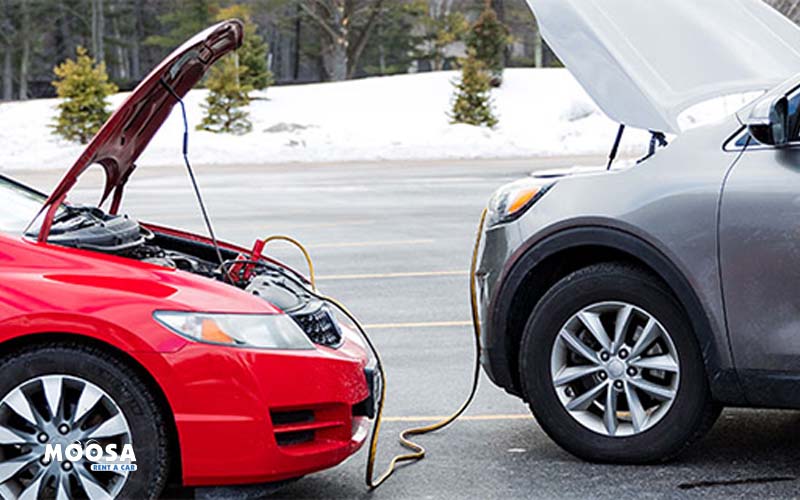
It happens to the best of us. You turn the key, and all you hear is a sad, repetitive clicking sound. Suddenly, you need to know exactly how to jump a car battery before your whole day gets entirely derailed. How to Jump a Car Battery Safely
- Why Do Car Batteries Die?
- Essential Tools You Need Before You Start
- Crucial Safety Steps Before Connecting Cables
- Step-by-Step: How to Jump a Car Battery
- Step 1: Attach the Red Cable to the Dead Battery
- Step 2: Attach the Red Cable to the Good Battery
- Step 3: Attach the Black Cable to the Good Battery
- Step 4: Ground the Final Black Cable
- Starting the Vehicles
- How to Disconnect the Cables Safely
- Troubleshooting: What If the Car Still Won’t Start?
- When to Call a Professional
- Wrapping Up Your Battery Knowledge
- Frequently Asked Questions (FAQs)
- 1. Will knowing how to jump a car battery damage my car’s computer?
- 2. Can I use a portable jump starter instead of another car?
- 3. Does it matter which way the cars are facing?
- 4. Why shouldn’t I connect the negative cable to the dead battery?
- 5. How long should I let the dead car run after jumping it?
Here’s the thing: dealing with a dead battery feels incredibly stressful in the moment. But the process to fix it is actually pretty straightforward once you understand the basic steps.
You don’t need to be a master mechanic to get your vehicle running again. You just need a little patience, another running car, and some basic safety knowledge.
Let’s walk through everything you need to know to get back on the road safely.
Why Do Car Batteries Die?
Before learning how to jump a car battery, it helps to understand why you are stuck in the first place. Batteries fail for a variety of very common reasons.
To be honest, most battery issues come down to simple human error or bad weather.
Leaving the Lights On
We have all done it. You park the car, rush inside, and leave the interior dome light or the headlights glowing. By the time morning rolls around, your battery is completely drained.
Extreme Weather Conditions
What’s interesting is that both extreme heat and extreme cold can destroy a car battery. Freezing winters slow down the chemical reaction inside the battery, while scorching summers can actually evaporate the internal battery fluid.
Age of the Battery
Most standard car batteries only last about three to five years. If yours is older than that, it might just be refusing to hold a charge anymore.
Essential Tools You Need Before You Start
You cannot jumpstart a vehicle with sheer willpower. You need a few specific items to make the magic happen.
A Good Set of Jumper Cables
Invest in a thick, high-quality set of jumper cables. Thin, cheap cables often fail to transfer enough power to turn over a heavy engine.
Protective Gear for Safety
Safety glasses and a pair of thick work gloves are highly recommended. Car batteries contain acid, and while rare, sparks can happen. It is always better to protect your eyes and hands.
A Working Donor Vehicle
You need a second vehicle with a fully charged, working battery. Park it close enough so the jumper cables can easily reach both engine bays without pulling tight.
Crucial Safety Steps Before Connecting Cables
Figuring out how to jump a car battery safely means prepping the scene before any metal touches metal.
Inspect the Dead Battery
Pop the hood and look at the dead battery. If you see cracks in the plastic casing or leaking fluid, stop immediately. You cannot jump a damaged battery.
Clean Off Corrosion
If you see white, crusty powder on the battery terminals, wipe it away with a rag or a wire brush. The jumper cables need a clean metal connection to work properly.
Position the Vehicles Correctly
Park the working car facing the dead car, or right next to it. Make absolutely sure the two cars are not physically touching each other.
Turn Everything Off
Turn off the ignition in both cars. Unplug your phone chargers, turn off the radio, and make sure the headlights are switched to the off position.
Step-by-Step: How to Jump a Car Battery
Now we get to the main event. Memorizing how to jump a car battery is all about the order of the cables. Always follow this exact sequence to prevent dangerous sparks.
Step 1: Attach the Red Cable to the Dead Battery
Take the red (positive) jumper cable clamp. Attach it securely to the positive terminal of the dead battery. The positive terminal usually has a red plastic cover or a plus (+) symbol on it.
Step 2: Attach the Red Cable to the Good Battery
Walk the other end of the red cable over to the working car. Attach that red clamp to the positive terminal of the good battery.
Step 3: Attach the Black Cable to the Good Battery
Take the black (negative) jumper cable clamp. Attach it to the negative terminal of the good battery. The negative terminal usually has a minus (-) symbol.
Step 4: Ground the Final Black Cable
This is the most important step for safety. Do not attach the final black clip to the dead battery. Instead, clamp it to an unpainted metal surface on the dead car’s engine block. A metal bolt or bracket works perfectly. This creates a safe ground.
Starting the Vehicles
Once the cables are securely in place, it is time to transfer the power.
Revving the Working Car
Start the engine of the working donor car. Let it idle for a couple of minutes. You can press the gas pedal slightly to increase the RPMs and send extra juice to the dead car.
Starting the Dead Car
Turn the key in the dead car. If you followed the steps for how to jump a car battery correctly, it should roar to life. If it just clicks, wait five more minutes and try again.
How to Disconnect the Cables Safely
The car is running! But you are not done yet. You have to remove the cables in the exact reverse order that you put them on.
Reverse the Order Completely
First, remove the black grounded clamp from the previously dead car.
Second, remove the black clamp from the good battery.
Third, remove the red clamp from the good battery.
Fourth, remove the final red clamp from the newly revived battery.
Keep the Car Running
Do not turn your car off right away. Drive it around for at least 20 to 30 minutes. The alternator needs this time to recharge the battery fully.
Troubleshooting: What If the Car Still Won’t Start?
Sometimes, knowing exactly how to jump a car battery isn’t enough to solve the problem. Here is what to check if things fail.
Check Your Connections
The most common issue is a loose jumper cable. Wiggle the clamps to make sure they are biting into the clean metal of the terminals.
The Battery Might Be Completely Dead
If the battery is incredibly old or has a dead cell, no amount of jumpstarting will save it. You will simply need to buy a replacement.
It Might Be the Alternator
If the car starts but immediately dies the second you remove the jumper cables, the battery is not the issue. That is a clear sign your alternator has failed and cannot keep the engine running.
When to Call a Professional
If you feel unsafe or unsure about how to jump a car battery, there is no shame in calling for help. Roadside assistance services exist exactly for this reason. A tow truck driver can jump your car safely in under five minutes.
Wrapping Up Your Battery Knowledge
Learning how to jump a car battery is a rite of passage for drivers. It saves you time, money, and a whole lot of stress. Stash a good set of cables in your trunk, remember the cable sequence, and you will always be prepared for the unexpected.
Frequently Asked Questions (FAQs)
1. Will knowing how to jump a car battery damage my car’s computer?
As long as you connect the cables in the correct order and use a proper unpainted metal ground, the risk to your car’s computer system is practically zero. Surges only happen if you cross the wires.
2. Can I use a portable jump starter instead of another car?
Yes, absolutely. Portable lithium jump starters are amazing tools. You just connect them directly to the dead battery, turn the pack on, and start the car without needing a second vehicle.
3. Does it matter which way the cars are facing?
The direction doesn’t matter, but the distance does. The cars just need to be close enough so the jumper cables can reach both batteries without being stretched tight. Never let the metal bodies of the two cars touch.
4. Why shouldn’t I connect the negative cable to the dead battery?
Batteries can emit a highly flammable hydrogen gas. If you connect the negative cable directly to the dead battery, it can create a spark right at the source, which could potentially cause an explosion. Grounding the cable away from the battery prevents this.
5. How long should I let the dead car run after jumping it?
You should drive the car for at least 20 to 30 minutes. Do not just let it idle in the driveway. Driving at highway speeds allows the alternator to spin faster and recharge the battery completely.
Continue reading: Why the Cryptocurrency Market Crashing Scares Everyone (And Why It Shouldn’t)