
A practical guide to becoming a dental hygienist: what the job involves, education options, licensing exams, pay and outlook, plus tips to get into a competitive programme.
Quick answer: To become a dental hygienist in the US, complete an accredited dental hygiene programme (usually an associate degree taking about three years including prerequisites), pass the National Board Dental Hygiene Examination and a clinical exam, and get licensed by your state. Many jobs also require CPR certification. Dental hygienists earned a median of $98,100 in May 2025, and employment is projected to grow 8% from 2025 to 2035.
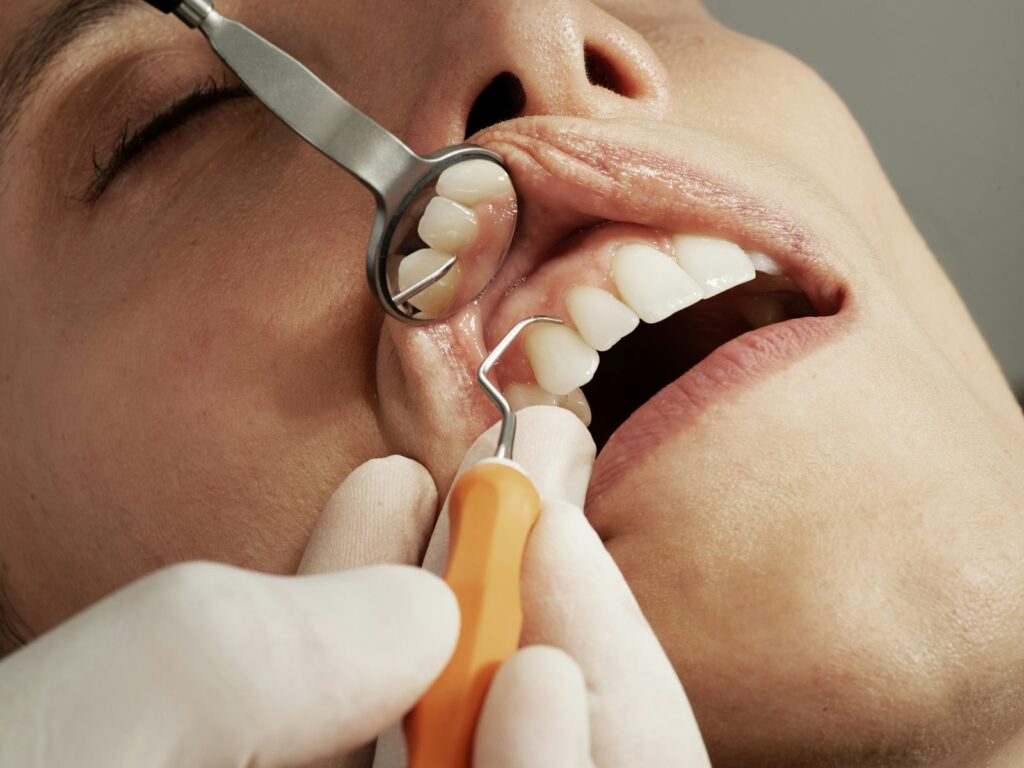
Dental hygienists are the professionals who clean teeth, take X-rays, check for signs of gum disease and teach patients how to care for their mouths. They are an essential part of every dental practice.
The career offers a rare mix: strong pay, flexible or part-time schedules and a relatively short training path compared with many healthcare jobs. This guide explains how to become a dental hygienist step by step, including programmes, exams, licensing, pay, outlook and tips.
Requirements differ by state, so check your state dental board for exact rules.
In this article
- What does a dental hygienist do?
- How to become a dental hygienist step by step
- What do you learn in a dental hygiene programme?
- How much does dental hygiene school cost?
- How much do dental hygienists earn?
- What is a typical day for a dental hygienist?
- Dental hygienist vs dental assistant
- What skills does a dental hygienist need?
- How do you get into a competitive programme?
- Is dental hygiene a good career?
- Frequently Asked Questions
- Final Thoughts
What does a dental hygienist do?
- Clean teeth: remove plaque and tartar above and below the gumline
- Assess oral health: check gums and teeth and record findings for the dentist
- Take and develop X-rays: help diagnose problems
- Apply preventive treatments: fluoride and sealants
- Educate patients: brushing, flossing, diet and smoking advice
- Administer local anaesthesia: in many states, with extra training
- Keep records: chart conditions and treatment
How to become a dental hygienist step by step
1. Finish high school with science classes
Biology, chemistry, maths and health classes help.
2. Complete prerequisite courses
Many programmes require college-level anatomy, physiology, chemistry, microbiology, English and psychology before admission.
3. Get into an accredited dental hygiene programme
Choose a programme accredited by the Commission on Dental Accreditation (CODA). Admission is often competitive.
4. Complete your degree
Most hygienists earn an associate degree; bachelor’s degrees are also available and help with teaching, research or public health roles.
5. Pass the National Board exam
The National Board Dental Hygiene Examination (NBDHE), run by the Joint Commission on National Dental Examinations, tests written knowledge.
6. Pass a clinical exam
Most states require a regional or state clinical exam where you treat a patient under observation.
7. Apply for your state licence
Some states also require a law or jurisprudence exam, background check and CPR certification.
8. Keep up continuing education
Licences must be renewed regularly with continuing education.
What do you learn in a dental hygiene programme?
| Area | Examples |
|---|---|
| Biomedical sciences | Anatomy, physiology, microbiology, pathology |
| Dental sciences | Tooth anatomy, radiography, periodontology |
| Clinical practice | Cleanings, assessments and preventive care on real patients |
| Pharmacology | Medicines and anaesthesia |
| Community dental health | Public health and patient education |
| Ethics and law | Patient rights and professional rules |
Programmes include many hours of supervised clinical practice in an on-campus clinic.
How much does dental hygiene school cost?
Costs vary widely. Community college associate programmes are usually the most affordable, while private colleges and bachelor’s programmes cost more. Budget for:
- Tuition and fees: the largest cost
- Instruments and supplies: many programmes require students to buy their own kits
- Uniforms and loupes: magnifying glasses used in clinic
- Exam and licence fees: national, clinical and state fees
- Living costs: full-time programmes leave little time for work
Financial aid, scholarships from dental associations and employer sponsorship can reduce the cost.
How much do dental hygienists earn?
According to the US Bureau of Labor Statistics, dental hygienists earned a median of $98,100 per year ($47.16 per hour) in May 2025. The lowest 10% earned under $74,880 and the highest 10% more than $126,050. There were about 225,300 jobs, with 8% growth projected from 2025 to 2035 and about 15,000 openings each year.
- Hourly pay: many hygienists are paid by the hour
- Part-time options: common, and some work in more than one practice
- Location: pay varies widely by state and city
- Benefits: differ between employers, so compare offers
What is a typical day for a dental hygienist?
A hygienist usually sees eight to ten patients a day, with appointments of about an hour. Each visit includes reviewing medical history, checking gums, cleaning teeth, taking X-rays if needed, applying fluoride and giving home-care advice. Between patients, the hygienist cleans and sterilises the room and updates charts. Many offices run four-day weeks, and some hygienists split their time between two practices.
Dental hygienist vs dental assistant
| Point | Dental hygienist | Dental assistant |
|---|---|---|
| Education | Accredited degree (often associate) | Certificate, on-the-job training or short programme |
| Licence | State licence required | Varies by state |
| Main work | Cleanings, assessments, X-rays, prevention | Chairside help, sterilising tools, admin |
| Pay | Much higher on average | Lower on average |
Some dental assistants later train as hygienists to increase their pay and responsibilities.
What skills does a dental hygienist need?
- Manual dexterity: precise work with small tools in a small space
- Attention to detail: spotting early signs of disease
- Communication: putting nervous patients at ease and teaching good habits
- Stamina: sitting or standing in fixed positions for long periods
- Infection control: strict hygiene and safety routines
Maria worked as a dental assistant for three years. Her dentist encouraged her to apply to a hygiene programme. Her chairside experience helped her get accepted, and after licensing her hourly pay nearly doubled.
How do you get into a competitive programme?
- Earn high grades in science prerequisites.
- Shadow a dental hygienist and record your hours.
- Prepare for any entrance test the programme requires.
- Write a clear personal statement about why you want the career.
- Apply to several accredited programmes, including community colleges.
Leon, 34, left a retail management job. He completed prerequisites at night, shadowed hygienists on weekends and was accepted on his second application. He now works four days a week and enjoys more time with his family.
Is dental hygiene a good career?
- Strong pay: well above the median for all workers
- Flexible schedules: part-time and four-day weeks are common
- Steady demand: ageing populations and focus on preventive care
- Physical strain: back, neck and wrist pain are risks without good ergonomics
- Limited advancement: moving up often means teaching, public health or sales roles
Compare other healthcare paths in our guides to becoming a physical therapist and becoming a pharmacist.
Invest in good ergonomics from day one: loupes, a proper stool and stretching breaks. Protecting your back and wrists can add years to your career.
Find two CODA-accredited dental hygiene programmes near you and compare their prerequisites, waiting lists and costs. Then call one to ask about information sessions.
Frequently Asked Questions
How long does it take to become a dental hygienist?
Usually about three years for an associate degree including prerequisites, plus time to pass exams and get licensed.
Do dental hygienists need a licence?
Yes. All US states require dental hygienists to be licensed.
What exams do dental hygienists take?
The National Board Dental Hygiene Examination and a clinical exam, plus any state law exam.
How much do dental hygienists make?
The BLS reports a median of $98,100 per year in May 2025.
Can dental hygienists work part-time?
Yes. Part-time and flexible schedules are very common.
Is dental hygiene school hard?
It is demanding, with heavy science coursework and many clinical hours, but very achievable with good study habits.
Final Thoughts
- Dental hygienists clean teeth, assess oral health and teach prevention.
- Most complete an accredited associate degree and pass national and clinical exams.
- Median pay was $98,100 in 2025, with 8% projected growth.
- Flexible schedules make it attractive, but protect your body with good ergonomics.