

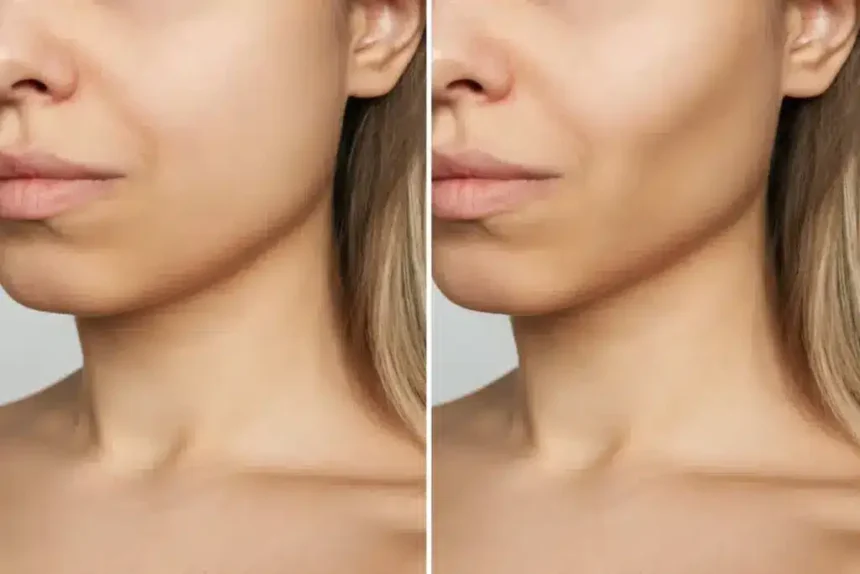
High cheekbones are one of those facial features people talk about all the time, yet most of us couldn’t explain what they actually are. You’ve probably heard someone get complimented on them, or maybe you’ve wondered if you have them yourself. Here’s the thing: they’re not just a beauty buzzword. There’s real anatomy behind them, plus a long history of why humans find them appealing.
- What Are High Cheekbones, Exactly?
- The Anatomy Behind Cheekbone Structure
- How Cheekbones Shape Your Face
- Why High Cheekbones Are Considered Attractive
- Famous People Known for High Cheekbones
- Face Shapes Often Linked to High Cheekbones
- How to Tell If You Have High Cheekbones
- Makeup Tips to Enhance Your Cheekbones
- Cheek Augmentation and Cosmetic Options
- Key Facts About High Cheekbones
- Related Context: Beauty Standards Change
- Frequently Asked Questions
- 1. Are high cheekbones genetic?
- 2. Can you develop high cheekbones naturally?
- 3. Do high cheekbones make you look younger?
- 4. What’s the difference between the zygomatic bone and the zygomatic arch?
- 5. Are high cheekbones attractive on everyone?
- Final Thoughts
In this guide, you’ll learn what high cheekbones really are, how to tell if you have them, why they’ve been admired for centuries, and how to play them up with makeup. Let’s break it down.
What Are High Cheekbones, Exactly?
Your cheekbone is a bone in your skull called the zygomatic bone (some people call it the malar bone). It sits on the upper, outer part of your face, just below and to the side of your eyes.
When someone has high cheekbones, it means this bone structure sits higher up on the face and juts out more noticeably. The result is that little shelf or “ledge” running from near the ear toward the front of the face.
To be honest, the phrase is a bit of a simplification. What people call high cheekbones are really pronounced zygomatic arches that push the upper cheeks outward.
The Anatomy Behind Cheekbone Structure
Let’s get a little more technical, but I’ll keep it simple.
The Zygomatic Bone
The zygomatic bone is a paired, irregular bone. “Paired” just means you have one on each side of your face. It helps form the wall and floor of your eye socket and connects to several other bones in the skull, including the maxilla and the temporal bone.
The Zygomatic Arch
The zygomatic arch is a specific structure that bridges the cheekbone and the temporal bone. High cheekbones are basically pronounced zygomatic arches. When they’re more prominent, the upper part of the cheeks sticks out and forms a defined line cutting across the sides of the face.
So when you hear “cheekbone structure,” this is what people mean. It’s the shape and position of these bones that create that sculpted look.
How Cheekbones Shape Your Face
What’s interesting is that your cheekbones do a lot of quiet work in defining your overall look. Prominent cheekbones can make a face appear more angular and structured.
They also play a role in facial symmetry. A face with balanced, well-defined cheekbones on both sides often reads as more harmonious to the eye. This is one reason these facial features get so much attention in photography and fashion.
Why High Cheekbones Are Considered Attractive
Here’s where it gets fun. High cheekbones have been admired across many cultures for a long time.
Ancient Chinese sculptures of goddesses were often carved with a broad forehead, raised eyebrows, high cheekbones, and a full mouth. Many warriors in the famous Terracotta Army were also depicted with broad foreheads, high cheekbones, large eyes, and thick eyebrows.
They’ve long been considered a sign of attractiveness in both men and women in various cultures. Fashion models frequently have this feature, which is partly why it’s tied to modern beauty standards.
The “so what” here? This isn’t a passing trend. Humans have valued this look for thousands of years.
Famous People Known for High Cheekbones
You can spot prominent cheekbones on plenty of well-known faces. A couple of examples often mentioned include the fashion model Natasha Poly and, historically, Abraham Lincoln, whose strong cheekbone structure is a recognizable part of his portraits.
Beyond that, many runway models and actors are known for this feature, which helps their faces photograph well under studio lighting. Defined cheekbones catch light and create natural shadows.
Face Shapes Often Linked to High Cheekbones
Cheekbones can show up on all kinds of faces, but some face shapes tend to highlight them more.
- Oval faces often show off cheekbones nicely because the face tapers gently.
- Heart-shaped faces usually have a wider upper face, which can make the cheekbones stand out.
- Diamond faces are practically defined by prominent cheekbones as the widest point.
- Square and round faces can have them too, though the jaw or fuller cheeks may draw more attention.
The takeaway: your face shape affects how noticeable the feature looks, not whether you have it.
How to Tell If You Have High Cheekbones
Want to check for yourself? It’s easier than you’d think.
The Simple Mirror Test
Stand in front of a mirror with good lighting. Place your fingers on the sides of your face and feel for the bony ridge below your eyes.
If that ridge sits high, closer to the outer corners of your eyes, you likely have high cheekbones. If it sits lower, closer to the nose and mouth area, your cheekbones are set lower.
The Light Test
Look at where shadows fall on your face. When the light naturally creates a hollow just beneath the cheekbone, that’s a strong sign of a defined, higher structure.
Don’t stress about the “perfect” answer here. Faces are wonderfully varied, and there’s no single right type.
Makeup Tips to Enhance Your Cheekbones
Good news: you don’t need to be born with dramatic bone structure to fake the look. Makeup does a lot of heavy lifting.
Contouring for Definition
Contouring is the go-to trick. Use a matte powder or cream a few shades darker than your skin tone.
- Suck in your cheeks slightly to find the natural hollow.
- Sweep the darker shade into that hollow, from the ear toward the middle of the cheek.
- Blend well so there are no harsh lines.
Highlighting the Tops
Next, add a highlighter along the top of the cheekbone, just below the outer eye. This catches the light and pushes the bone forward visually.
Blush Placement
Apply blush slightly above the apples of your cheeks and angle it upward. This lifts the whole look and supports the illusion of prominent cheekbones.
Do this right and you’ll get sculpted-looking cheeks in a couple of minutes.
Cheek Augmentation and Cosmetic Options
Some people want a more permanent change, and that’s where cheek augmentation comes in.
Because high cheekbones are seen as attractive in many cultures, some individuals choose cosmetic surgery or dermal fillers to add volume and definition to the cheek area. This is a personal choice, and it’s worth talking to a qualified medical professional if you’re seriously considering it.
The point isn’t that you need this. Plenty of people love their natural face. It’s simply an option that exists.
Key Facts About High Cheekbones
Let’s pull together the quick facts:
- The cheekbone is medically called the zygomatic bone or malar bone.
- High cheekbones are pronounced zygomatic arches that make the upper cheeks jut out.
- They’ve been admired in art and culture for thousands of years.
- They’re linked to facial symmetry and a structured appearance.
- Makeup can mimic the look through contouring and highlighting.
Related Context: Beauty Standards Change
One thing worth remembering: beauty standards aren’t fixed. High cheekbones are popular now and have been in many eras, but “attractive” facial features shift across time and place.
So while these facial features are widely admired, they’re just one piece of what makes a face interesting. Confidence and expression matter just as much.
Frequently Asked Questions
1. Are high cheekbones genetic?
Yes, largely. Your cheekbone structure is inherited, so if your parents have prominent cheekbones, there’s a good chance you might too.
2. Can you develop high cheekbones naturally?
Not really. Bone structure is mostly set. That said, losing facial fat or using makeup can make existing cheekbones look more defined.
3. Do high cheekbones make you look younger?
They can. Well-defined cheekbones help support the mid-face, which often reads as youthful and lifted.
4. What’s the difference between the zygomatic bone and the zygomatic arch?
The zygomatic bone is the whole cheekbone. The zygomatic arch is a specific bony bridge that connects the cheekbone to the temporal bone.
5. Are high cheekbones attractive on everyone?
Attractiveness is subjective, but this feature is broadly appreciated across cultures on both men and women.
Final Thoughts
High cheekbones are more than a compliment people toss around. They’re rooted in real bone structure, they’ve been admired throughout history, and they shape how a face catches the light. Whether you were born with prominent cheekbones or you enhance them with a little contour, they’re a striking feature worth understanding.
If you want to go deeper into the actual science of your face, it’s worth reading about the zygomatic bone, the paired facial bone that gives every set of cheekbones its shape.
Continue reading: Distemper Immunization: Everything You Need to Know to Protect Your Dog