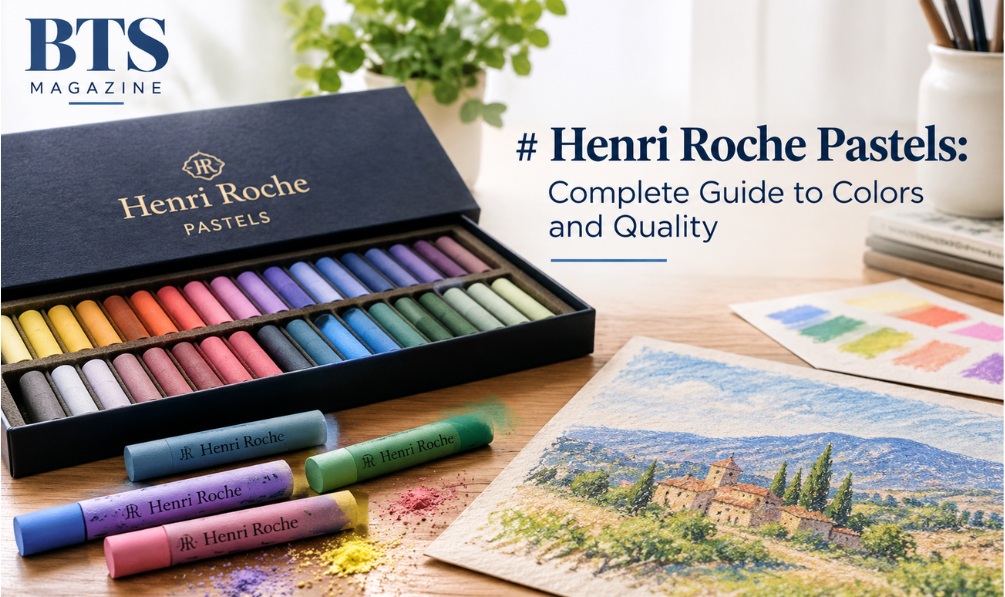
Choosing the right pastels can make a real difference in how an artwork looks and feels. Artists often compare color range, texture, blending ability, and price before deciding which materials to use. If you are researching Henri Roche pastels, it is important to understand what information is available, what to look for in a pastel product, and how to judge its quality before buying.
This guide explores Henri Roche pastels from an artist’s point of view. It covers pastel types, color selection, quality checks, practical techniques, and buying advice for beginners and experienced artists. Because reliable product-specific details may be limited, the guide separates general pastel guidance from claims that would need confirmation from the manufacturer or a trusted seller.
What Are Henri Roche Pastels?
Henri Roché pastels are handmade soft, dry pastels associated with La Maison du Pastel, a historic French pastel maker. They are known among pastel artists for their rich colors, distinctive texture, and ability to create expressive marks. Artists may use them for portraits, landscapes, still-life paintings, and detailed finishing work.
The name is sometimes written as Henri Roche pastels without the accent. The traditional spelling is Henri Roché.
La Maison du Pastel traces its history to 1720. According to an artist review published by Parka Blogs, Henri Roché became head of the firm in 1887, and the business continued its handmade pastel tradition through later generations.
Unlike oil paints or watercolors, dry pastels are applied directly to a suitable surface. The artist can create broad strokes, fine lines, soft transitions, and layers of color without mixing the material with water or oil.
What makes these pastels different?
Artist reviews highlight several characteristics:
- Strong color: Pigment-rich sticks can produce vivid marks and noticeable color contrast.
- Distinctive texture: The pastels have been described as relatively firm yet capable of releasing color readily.
- Layering potential: Artists can combine strokes and, with suitable paper and technique, build up additional layers.
- Handmade production: Traditional production methods are part of the brand’s appeal.
- Premium positioning: Their price makes them a considered purchase rather than an obvious starting point for every beginner.
These qualities do not mean every stick will behave exactly the same way. Pigment, paper, pressure, and technique can all affect the result.
Why Are Henri Roche Pastels Important?
Henri Roché pastels are worth exploring because they offer artists another way to control texture, color, and the character of a finished painting.
A pastel artist does not always need to blend every mark into a smooth surface. Individual strokes can help suggest grass, hair, fabric, skin, clouds, or reflections. The material’s texture can become part of the artwork rather than something the artist tries to hide.
The brand also has a connection to the history of pastel painting. Artist reviews discuss the relationship between Roché pastels and the working methods associated with French artist Edgar Degas. Degas used pastels extensively, often combining colors and strokes to create expressive surfaces.
Learn more about the medium through this Wikipedia guide to pastels.
Who might benefit from using them?
Henri Roché pastels may interest:
- Experienced pastel painters looking for a different surface effect.
- Portrait artists who need strong highlights and subtle color changes.
- Landscape artists who want vivid accents in flowers, leaves, skies, or distant hills.
- Collectors who enjoy traditional handmade art materials.
- Artists who want to experiment with different pastel textures.
Beginners can explore them too, but a small selection is generally a more sensible starting point than buying a large, expensive collection before understanding personal preferences.
Key Features and Benefits of Henri Roche Pastels
When evaluating Henri Roche pastels, consider how their reported characteristics might affect your work.
1. Rich and expressive colors
Color is one of the most frequently praised aspects of Henri Roché pastels. Artist reviews describe strong pigment, vibrant hues, and the ability to create striking contrast.
For example, imagine painting a landscape with dark green trees against a bright afternoon sky. A vivid green or pale highlight can make the foreground appear more lively without requiring you to blend every area.
Practical tip: Start with a small color group that matches your subject. For a landscape, consider greens, blues, earth tones, and a few light colors for highlights.
2. A distinctive, firm texture
Soft pastels vary in how they feel and how much color they release. Reviews of Henri Roché describe sticks that can feel relatively firm while still depositing pigment with light pressure. Some artists also notice a granular quality in the marks.
This combination may suit artists who want expressive strokes instead of an entirely smooth, blended finish.
However, texture is subjective. A pastel that feels ideal to one artist may seem too firm or unpredictable to another.
3. Handmade production
Traditional handmade production is an important part of the Henri Roché identity. The company’s history and production methods distinguish it from many mass-produced art supplies.
For artists who value traditional craftsmanship, this can be an important reason to explore the range.
Keep in mind that handmade production alone does not guarantee that a pastel will suit every project. Test the actual product on your preferred paper before making a larger investment.
4. Useful for layering and finishing details
Henri Roché pastels may be useful when an artist wants to add strong accents over an existing pastel painting. One reviewer describes using them for finishing touches and for creating bright marks over darker colors.
Possible uses include:
- Adding sunlight to a landscape.
- Creating bright details in flowers.
- Strengthening highlights in a portrait.
- Making selected objects stand out from the background.
- Introducing varied strokes to an otherwise smooth surface.
Results depend on the paper’s remaining texture and how much pastel is already on it.
5. A premium price point
Henri Roché pastels are generally positioned as luxury art materials. Reviews describe their individual sticks as expensive compared with many other artist-grade pastels, although prices vary by seller, size, and date.
That does not automatically make them the right choice for every artist.
A practical approach is to compare a small assortment with the materials you already use. If the color, texture, or layering effect improves your work in a noticeable way, the additional cost may be worthwhile.
Henri Roche Pastels: Colors and Quality Explained
When people search for Henri Roche pastels, they often want to know which colors are available and whether the quality justifies the cost.
The best way to answer these questions is to look at the color range, consistency, pigment behavior, and compatibility with your chosen surface.
Understanding the color range
Pastel artists often organize colors into groups to make selection easier.
| Color family | Common artistic uses |
| Blues and blue-greens | Skies, water, shadows, and distant landscapes |
| Greens | Trees, grass, plants, and natural textures |
| Reds and oranges | Flowers, warm lighting, portraits, and sunsets |
| Yellows and creams | Sunlight, highlights, and illuminated objects |
| Browns and earth tones | Skin tones, rocks, soil, and wooden objects |
| Whites and pale tints | Highlights, reflections, and lighter details |
| Dark colors | Deep shadows, contrast, and stronger outlines |
This is a general pastel color guide, not a verified catalogue of individual Henri Roché shades. Check the current manufacturer’s catalogue or a trusted retailer for specific colors and stock.
How do you judge pastel quality?
Before buying, examine five important factors:
- Pigment strength: Does the pastel produce clear, rich color without excessive pressure?
- Texture: Does it create the strokes or blending effects you prefer?
- Layering: Can you add further marks without the paper becoming overloaded?
- Consistency: Do the sticks perform predictably enough for your technique?
- Lightfastness: Is there reliable information about how well the pigments resist fading over time?
Lightfastness is particularly important for finished artwork. Do not assume every color has identical durability simply because it comes from the same brand. Check available product information for the individual pigment or color.
How to Use Henri Roche Pastels: A Step-by-Step Guide
You do not need a complicated setup to begin experimenting with pastels. A few carefully selected colors, suitable paper, and a simple subject are enough.
Step 1: Choose your materials
Select a small group of pastels that suits your subject. You will also need pastel paper, a drawing board if required, and a clean workspace.
Step 2: Test the colors
Make several sample strokes on your paper. Try light pressure, stronger pressure, and different stroke directions to see how each pastel behaves.
Step 3: Build the basic shapes
Sketch the main forms lightly, then block in large areas of color. Keep the first layer simple so you have room to develop the painting.
Step 4: Add layers and highlights
Introduce lighter colors, deeper shadows, and selected details. Use a light touch when applying a pigment-rich pastel to avoid filling the paper’s texture too quickly.
Step 5: Review and protect the artwork
Check the balance of colors and details. Follow appropriate pastel-art storage and framing practices to protect the finished work from smudging and damage.
Which paper should you use?
Paper can have a major effect on pastel performance. Different surfaces hold pigment differently, so it is worth testing more than one option.
- Traditional textured pastel paper: A useful starting point for expressive strokes and controlled layering.
- Sanded pastel paper: Offers a more abrasive surface that can grip pigment, although it may wear down expensive sticks faster.
- Other textured drawing surfaces: May work well for specific techniques, provided they are suitable for dry pastel.
One artist review found that Henri Roché pastels behaved differently on sanded paper and traditional pastel paper. This illustrates why a small surface test is more useful than relying on a universal recommendation.
Are Henri Roche Pastels Worth Buying?
Henri Roché pastels may be worth buying if you value distinctive color, handmade production, and a particular working texture. However, their premium price means that value depends on your budget, technique, and artistic goals. Testing a small assortment before purchasing more is a sensible way to decide.
Consider these questions before making a purchase:
- Do you regularly work with dry pastels?
- Do you need colors or textures that your current materials cannot provide?
- Can you afford the higher cost without limiting other essential supplies?
- Have you tested the pastels on the paper you normally use?
- Can you buy individual sticks rather than an entire collection?
For a beginner, an affordable student or artist-grade set may offer better value while you learn the basics. For an experienced painter, a few specialist colors could be a useful addition to an existing collection.
Frequently Asked Questions (FAQs)
1. What are Henri Roche pastels used for?
Henri Roché pastels are dry art materials used for pastel painting, portraits, landscapes, still-life compositions, and expressive color work. Artists may also use selected sticks for highlights and finishing details.
2. Are Henri Roche pastels suitable for beginners?
Yes, beginners can experiment with them. However, their premium price may make a large set an unnecessary first purchase. Starting with a few colors and practicing on suitable paper can help you decide whether their texture suits your style.
3. Why are Henri Roche pastels expensive?
Their premium positioning is associated with traditional handmade production and their reputation among pastel artists. Production methods, materials, and limited availability can affect costs, but current prices should be checked with sellers rather than assumed.
4. Do Henri Roche pastels have a wide color range?
The brand is known among pastel artists for its extensive range of colors. However, available shades, sets, and individual sticks may change. Consult the current manufacturer or retailer catalogue for an accurate selection.
5. Which paper works best with Henri Roche pastels?
There is no single surface that suits every artist. Traditional textured pastel paper and sanded paper can produce different results. Test your preferred colors on small samples before starting an important painting.
6. Can Henri Roche pastels be blended?
Yes. Dry pastels can be blended using fingers, suitable tools, or additional pastel strokes. The degree of blending depends on the pigment, surface, pressure, and technique. Some artists prefer leaving individual marks visible for a more expressive effect.
7. Where can I buy Henri Roche pastels?
Start with the official La Maison du Pastel website at [lamaisond upastel.com](https://www.lamaisond upastel.com/) only after verifying the correct address, or search for the official business through a trusted search engine. You can also check established art supply retailers for individual sticks and small sets. Confirm current availability, shipping costs, and seller authenticity before ordering.
Conclusion
Henri Roche pastels are an interesting option for artists who appreciate traditional craftsmanship, vivid color, and distinctive pastel textures. Their reputation makes them worth exploring, but the best choice depends on how they perform with your subject, paper, and working style.
If you are considering a purchase, begin with a few carefully chosen colors. Test them on different surfaces, compare the results with your existing pastels, and decide whether the difference justifies the cost.
The key is to choose art materials that help you create the results you want, not simply the most expensive ones.
Read also: Merisant CEO Paul Block: Entertainment Background, Bankruptcy, and the Comeback Story