Introduction
A comfortable home does not have to look like it came straight from a luxury magazine. Often, the best spaces are built from simple choices: the right lighting, a few useful storage ideas, healthy plants, and decor that reflects your personality.
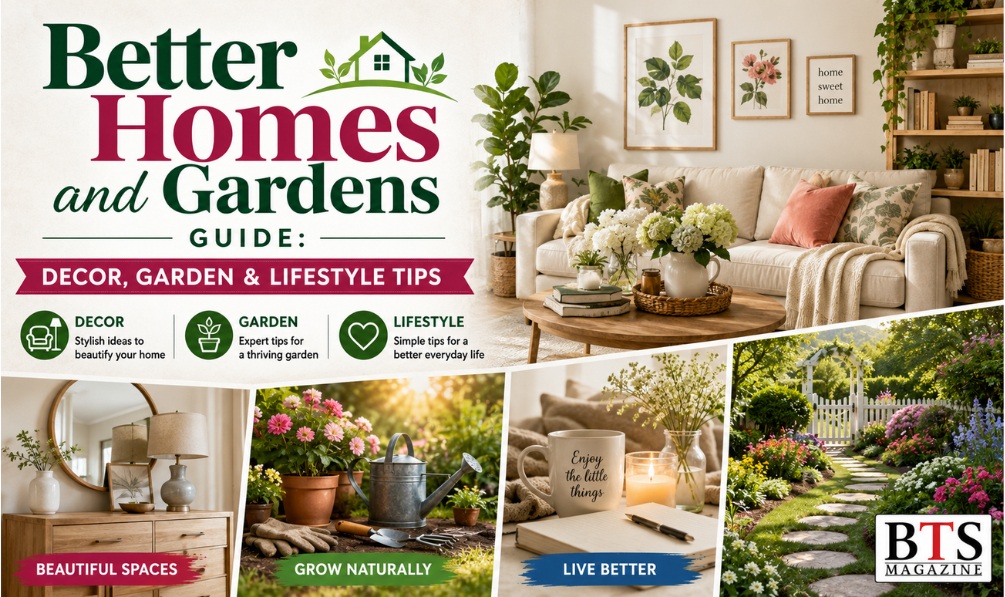
That is where Better Homes and Gardens stands out. The well-known lifestyle brand covers a wide range of subjects, including home decorating, gardening, recipes, cleaning, organization, crafts, and everyday lifestyle ideas. You can explore more home and lifestyle inspiration through Better Homes & Gardens.
Whether you are refreshing one room, starting your first vegetable garden, or simply looking for easier ways to manage your home, a good Better Homes and Gardens guide can provide plenty of practical inspiration.
This article explains what Better Homes and Gardens is, why people use its ideas, and how you can apply its home, garden, and lifestyle principles in your own space.
What Is Better Homes and Gardens?
Better Homes and Gardens is a lifestyle brand focused on practical ideas for homes, gardens, food, and everyday living. Its content is designed to help readers improve their living spaces while also making daily routines more enjoyable and manageable.
The brand is especially recognized for topics such as:
- Home decorating
- Gardening and landscaping
- Cleaning and organization
- Recipes and cooking
- DIY projects
- Home improvement
- Holiday ideas
- Crafts
- Lifestyle advice
Rather than focusing only on expensive renovations, many Better Homes and Gardens ideas can be adapted to different budgets, home sizes, and experience levels.
Why Is Better Homes and Gardens Important?
Home and garden decisions can quickly become overwhelming. You may have hundreds of decorating ideas available online, but knowing which ones are practical is another matter.
Better Homes and Gardens is useful because it brings home improvement, decorating, gardening, food, and lifestyle inspiration together in one place.
For example, someone moving into a new apartment might need help choosing furniture, organizing a small kitchen, selecting indoor plants, and creating a relaxing bedroom. Instead of treating these as completely separate subjects, a lifestyle-focused approach considers how everything works together.
This makes the ideas easier to apply in real life.
Key Features and Benefits
1. Home Decor Inspiration
One of the biggest attractions of Better Homes and Gardens is its focus on home decor.
You can find ideas involving:
- Living room layouts
- Bedroom decorating
- Kitchen updates
- Bathroom improvements
- Color combinations
- Furniture placement
- Wall decor
- Seasonal decorating
The key lesson is that good design is not always about buying more things. A well-planned room can look better simply by improving layout, lighting, color, and organization.
2. Practical Gardening Ideas
Gardening is another major part of the Better Homes and Gardens approach.
Beginners can start with easy projects such as:
- Container gardening
- Herb gardens
- Flower beds
- Indoor plants
- Small vegetable gardens
- Pollinator-friendly spaces
Before planting, consider sunlight, soil, drainage, climate, and the amount of maintenance you can realistically handle.
A small garden that you enjoy maintaining is usually better than a large garden that becomes difficult to manage.
3. Organization and Storage
A beautiful home can still feel stressful if everyday items have nowhere to go.
Simple organization ideas include:
- Using baskets for frequently used items
- Adding drawer organizers
- Creating a dedicated entryway area
- Labeling storage containers
- Decluttering unused belongings
- Using vertical wall space
Good organization should make your home easier to use, not simply make it look tidy for a photograph.
4. Cleaning and Home Care
Regular home care can protect furniture, floors, appliances, and other household items.
Instead of waiting for a major cleaning day, divide tasks into manageable routines.
For example:
Daily:
Clean kitchen surfaces and put commonly used items away.
Weekly:
Vacuum, dust, clean bathrooms, and change bedding.
Monthly:
Check overlooked areas such as vents, light fixtures, appliances, and storage spaces.
This approach makes cleaning feel less like a huge project.
5. Lifestyle and Everyday Ideas
Better Homes and Gardens also goes beyond physical spaces.
Lifestyle content can include cooking, entertaining, holidays, crafts, family activities, and ways to make everyday routines more enjoyable.
The underlying idea is simple: your home should support the way you actually live.
How to Apply Better Homes and Gardens Ideas at Home
You do not need to redesign your entire house. Start with one area.
Step 1: Choose One Problem
Ask yourself what bothers you most.
Is the room:
- Too cluttered?
- Too dark?
- Difficult to organize?
- Missing personality?
- Uncomfortable?
Identifying one problem gives you a clear starting point.
Step 2: Set a Realistic Budget
Before shopping, decide how much you can comfortably spend.
Separate your budget into categories such as:
- Furniture
- Decor
- Storage
- Plants
- Paint or supplies
A budget also helps prevent impulse purchases.
Step 3: Improve the Layout
Move existing furniture before buying anything new.
Try positioning seating to improve conversation, creating clear walking paths, and keeping frequently used items within easy reach.
Sometimes a free furniture rearrangement makes a bigger difference than an expensive accessory.
Step 4: Add Texture and Personality
Once the layout works, consider smaller details.
You might add:
- Cushions
- Rugs
- Curtains
- Artwork
- Plants
- Decorative objects
- Warm lighting
Choose pieces that work together instead of buying items simply because they are trendy.
Step 5: Bring Nature Indoors
Plants can add life and visual interest to a room.
If you are new to plant care, start with varieties suited to your home’s lighting and your ability to maintain them.
Do not choose a plant only because it looks attractive. Choose one that can realistically thrive where you plan to put it.
Common Mistakes to Avoid
Buying Too Much Decor
Filling every empty surface can make a room feel crowded. Leave some visual breathing room.
Following Trends Too Closely
A trend may look great online but may not suit your home or lifestyle. Use trends as inspiration rather than strict rules.
Ignoring Lighting
Lighting can dramatically change how a room feels. Combine natural light with practical and decorative lighting where appropriate.
Choosing Plants Without Checking Their Needs
Different plants require different amounts of sunlight, water, humidity, and space.
Starting Too Many Projects
It is easy to get excited about home improvement and start five projects at once. Finish one area before moving to the next.
Forgetting Function
A room should not only look attractive. Furniture, storage, and decor should also make everyday life easier.
Expert Tips for Better Home and Garden Results
Start Small
A small improvement can build momentum. Try updating one corner, shelf, planter, or entryway before taking on a major renovation.
Use What You Already Own
Before shopping, look around your home. A lamp from another room, an old frame, or a piece of furniture may work perfectly somewhere else.
Think About Maintenance
Ask how much time an idea will require after installation. The best home improvement is one you can comfortably maintain.
Mix Old and New
Combining existing pieces with a few newer additions can create a more personal space than buying an entire matching furniture set.
Prioritize Comfort
A stylish chair that nobody wants to sit in is not a successful design choice. Comfort and function should come before appearance.
Plan Your Garden Before Planting
Sketch your space, observe sunlight throughout the day, and research plant requirements before buying several varieties.
For additional gardening guidance, the USDA National Agricultural Library gardening resources provide information on topics such as vegetable gardening, raised beds, container gardening, seeds, and plants.
Frequently Asked Questions
What is Better Homes and Gardens known for?
Better Homes and Gardens is known for lifestyle content covering home decor, gardening, cooking, cleaning, organization, crafts, DIY projects, and everyday living.
Is Better Homes and Gardens useful for beginners?
Yes. Many home and garden concepts can be adapted for beginners. Starting with small projects, simple plants, and basic decorating changes can make the process easier.
Can I use Better Homes and Gardens ideas on a small budget?
Absolutely. You do not need a major budget to improve a home. Rearranging furniture, decluttering, improving lighting, adding plants, and reusing existing decor can produce noticeable changes.
What are the most important home decorating principles?
Focus on function, proportion, lighting, color, comfort, and organization. A room should work well for the people who use it rather than simply look attractive.
How should beginners start gardening?
Start by understanding your local growing conditions. Check sunlight, soil, drainage, available space, and the care requirements of plants before purchasing them.
How can I make my home look more organized?
Begin by removing items you no longer use. Then give frequently used belongings a designated storage location and use baskets, drawers, shelves, or other practical solutions where needed.
Does good home design require expensive furniture?
No. Good design depends more on planning than price. A thoughtful layout, appropriate lighting, coordinated colors, and useful storage can improve a room without requiring expensive furniture.
Conclusion
Better Homes and Gardens offers a broad source of inspiration for people interested in home decor, gardening, organization, cooking, and lifestyle. Its biggest lesson is that improving your home does not always require dramatic changes.
Start with one room or one outdoor area. Identify a problem, make a simple plan, work within your budget, and focus on improvements that make everyday life easier.
Whether you are decorating your first apartment, creating a backyard garden, or simply trying to organize a busy household, practical ideas can help you create a space that feels more comfortable and personal.
The best home is not necessarily the most expensive or fashionable one. It is the one that works well for you.
For more articles, guides, and lifestyle-related content, visit BTS Magazine.