
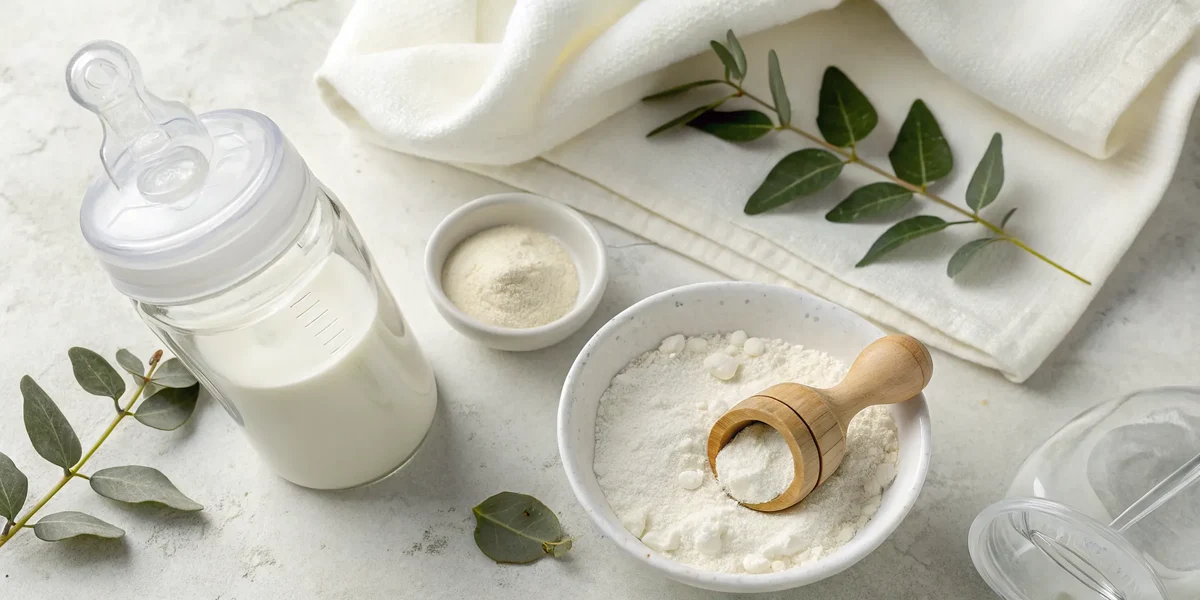
Choosing the right nutrition for a baby is an important part of early parenthood. From selecting infant formula to introducing cereals, fruit purees, and age-appropriate snacks, families want products that meet their children’s needs while fitting into their everyday routines. For parents who prefer organic options, finding reliable products and understanding their ingredients can make shopping easier and more reassuring.
Family-owned businesses can play a meaningful role in helping parents explore these options. By offering a selection of organic baby products, providing clear product information, and focusing on customer needs, a family business can help make organic baby nutrition more accessible to families looking for suitable feeding choices.
From organic baby milk formula to complementary foods for growing babies, understanding the available products helps parents make informed decisions throughout early childhood.
The Story Behind a Family-Owned Organic Baby Business
Family businesses often grow from personal experiences, shared values, and a desire to provide useful products to other households. In the baby food market, these businesses may focus on helping parents find products that match their feeding preferences and everyday needs.
Parents shopping for babies frequently have questions about ingredients, nutritional information, preparation, and age recommendations. A retailer that organizes its product selection clearly can make it easier to compare available options.
A family-owned organic baby product store based in Los Angeles, for example, may offer organic infant formula, cereals, fruit pouches, snacks, and teas in one place. Such a selection can help families explore different categories without having to search for every product separately.
The value of a specialist retailer comes from more than product variety. Clear information, dependable service, and attention to product quality can also help customers feel more confident about their purchases.
Why Families Explore Organic Baby Formula
During early infancy, babies require appropriate nutrition to support growth and development. Breast milk is recommended when possible, while infant formula can provide a suitable alternative or supplement when needed.
Parents interested in organic options may look for organic baby formula made with ingredients that meet applicable organic production standards.
These products are designed for specific age groups, and their suitability depends on their nutritional composition and intended use.
Understanding Organic Ingredients
Organic certification generally relates to agricultural production and processing standards. It does not automatically mean a formula is nutritionally superior to a conventional alternative.
Parents should examine the complete ingredient list and nutritional information rather than relying on the organic label alone.
Selecting an Age-Appropriate Formula
Different formulas may be intended for different stages of infancy. Parents should verify that the selected product is suitable for their baby’s current age.
Formula intended for older infants or toddlers should not replace appropriate infant formula during early infancy.
Considering Individual Nutritional Needs
Babies with allergies, medical conditions, or special nutritional requirements may need a specific formula recommended by a healthcare professional.
Parents should seek professional guidance if they are uncertain which formula is appropriate for their child.
Following Safe Preparation Instructions
Powdered infant formula is not sterile. Parents should follow the manufacturer’s instructions and relevant public health guidance regarding preparation, water safety, storage, and disposal.
Correct preparation is essential regardless of whether a formula is organic or conventional.
Exploring Holle and Lebenswert Bio Formula Options
Parents researching organic infant nutrition may encounter brands such as Holle and Lebenswert Bio.
Both brands are associated with organic baby nutrition, although individual formulations, age stages, and product availability can vary between markets.
When comparing these options, families can review several important details:
- Age range: Confirm the intended feeding stage.
- Ingredients: Examine the full ingredient list.
- Nutritional composition: Compare the nutrients supplied by each formulation.
- Organic certification: Check the relevant certification and labeling information.
- Preparation: Follow the product’s exact instructions.
- Availability: Confirm that the product can be purchased reliably.
- Price: Compare package sizes and overall costs.
A family-owned retailer that stocks several organic baby products may make it easier for parents to compare available options. However, the most suitable formula depends on the baby’s nutritional needs rather than the retailer’s preferred brand.
Beyond Formula: Organic Baby Food for Growing Children
As babies grow, their nutritional needs and feeding abilities change. Around six months of age, many babies become ready for complementary foods alongside continued breastfeeding or infant formula.
Organic baby foods can provide additional options during this transition, provided that the products are suitable for the child’s developmental stage.
Organic Baby Cereals
Baby cereals may contain oats, rice, wheat, or multigrain combinations. They can be one option during complementary feeding.
Parents should look for cereals with appropriate textures and review their nutritional information. Iron-fortified infant cereals can be a useful source of iron, an important nutrient during this period.
Cereals should be prepared according to the manufacturer’s instructions and offered in a consistency suitable for the baby’s feeding abilities.
Organic Fruit Purees and Pouches
Fruit-based products may contain apples, pears, bananas, berries, or combinations of fruits.
Pouches can be convenient for travel, while purees may offer an easy way to introduce certain fruit flavors. However, fruit pouches should not become the main source of complementary food.
Offering suitable soft fruits and gradually introducing different textures can help babies develop their feeding skills.
Organic Baby Snacks
Age-appropriate snacks can provide additional variety for older babies and toddlers.
Parents should check ingredients, added sugars, salt content, and texture. Hard, round, sticky, or difficult-to-chew foods can present choking hazards, so careful product selection and supervision are essential.
Snacks should complement balanced meals rather than replace them.
How a Family Business Can Make Shopping Easier
Shopping for baby products can be challenging when parents have to compare many brands and categories. A specialist retailer can make the process more manageable by presenting product information clearly and organizing items according to their purpose.
A well-organized selection may include:
| Product category | Purpose | What parents should check |
| Organic infant formula | Provides infant nutrition when needed | Age suitability, nutritional composition, and preparation |
| Organic baby cereals | Supports complementary feeding | Iron content, ingredients, and texture |
| Organic fruit pouches | Offers convenient fruit-based foods | Ingredients, serving practices, and age suitability |
| Organic baby snacks | Adds variety for older babies and toddlers | Texture, allergens, and added sugars |
| Baby teas and related products | Offers additional products for families to explore | Age suitability, ingredients, and professional guidance where needed |
Having these categories together can help parents create a practical shopping list and compare products more efficiently.
However, product availability does not mean every item is suitable for every child. Parents should check individual labels and follow appropriate feeding recommendations.
The Importance of Clear Product Information
Parents need reliable information when choosing products for babies. Retailers can support informed decisions by making important details easy to find.
Transparent Ingredients
Clear ingredient lists help customers understand what a product contains and identify potential allergens.
Accurate Age Recommendations
Product descriptions should clearly identify the intended age range and any relevant preparation requirements.
Nutritional Details
Providing access to nutritional information allows parents to compare products and understand their intended purpose.
Storage and Handling Information
Formula and baby foods may have specific storage requirements. Clear instructions help customers handle products appropriately after purchase.
Authentic Products
Reliable sourcing, intact packaging, and clear expiration dates are especially important for products intended for infants.
These practices can help a family business build customer trust without making exaggerated claims about the benefits of particular products.
Helping Parents Make Informed Feeding Choices
Every baby develops differently, so feeding decisions should reflect individual needs and developmental readiness.
During early infancy, breast milk or appropriate infant formula provides the primary source of nutrition. Complementary foods are generally introduced around six months when a baby is developmentally ready.
As feeding skills improve, parents can gradually offer a wider variety of appropriate foods, including vegetables, fruits, iron-rich foods, and suitable cereals.
A retailer can help families compare products, but medical questions about allergies, growth, feeding difficulties, or specialized formula should be discussed with a qualified healthcare professional.
Parents should also remember that organic products can still contain allergens and that organic certification does not guarantee nutritional superiority.
Practical Tips for Buying Organic Baby Products
Before purchasing organic baby formula or food, parents can use a simple checklist.
- Check the product’s age recommendation.
- Review the ingredient list and allergen declarations.
- Compare nutritional information where applicable.
- Confirm the product’s organic certification.
- Check the expiration date and packaging condition.
- Review preparation and storage instructions.
- Purchase from a reputable retailer.
- Consider whether the product fits the child’s actual feeding needs.
- Seek professional guidance when special nutritional requirements apply.
These steps can help families avoid unsuitable purchases and focus on products that fit their circumstances.
Safe Preparation and Storage for Everyday Feeding
Food safety remains important for all baby products, including organic options.
Parents should wash their hands before preparing food, clean feeding equipment appropriately, and follow product-specific storage directions.
For infant formula, it is essential to measure water and powder accurately and follow the manufacturer’s instructions. Powdered formula is not sterile, so additional precautions may be necessary for newborns, premature babies, and infants with weakened immune systems.
For packaged baby foods, parents should follow refrigeration and use-after-opening directions. Food that has been contaminated by saliva or handled unsafely should be discarded.
These practices help families maintain safe feeding routines while using the products they choose.
Building Long-Term Relationships With Families
For a family-owned business, serving parents involves more than offering products for sale. Clear communication, dependable service, and useful product information can help customers make purchasing decisions with greater confidence.
Parents may return to a retailer as their children move from infant formula to complementary foods and eventually to a wider range of age-appropriate products.
A thoughtful product selection can support these changing needs, provided that each product is clearly described and sold with accurate information.
By focusing on transparency, responsible product presentation, and customer service, a family business can build lasting relationships with families seeking organic baby nutrition options.
Conclusion
A family business offering organic baby products can help parents explore a range of feeding options, from infant formula to cereals, fruit pouches, and age-appropriate snacks. By making products easier to compare and providing clear information, specialist retailers can support families as their children’s nutritional needs change.
Parents researching organic baby milk formula and organic baby formula should consider age suitability, nutritional composition, ingredients, preparation instructions, and food safety before making a purchase.
Ultimately, informed feeding choices depend on the baby’s individual needs, not simply the organic label. With careful product selection and appropriate professional guidance when needed, families can navigate the available options and build feeding routines that support their children’s growth and development.