
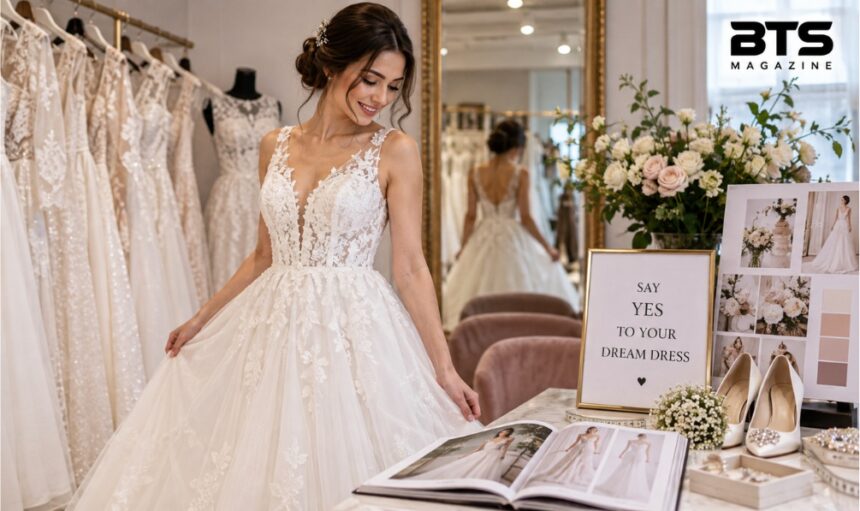
Choosing a wedding dress is one of the most exciting parts of wedding planning—but with countless styles, fabrics, silhouettes, and price points available, finding the right one can quickly feel overwhelming. The best approach is to focus on what suits your body, wedding style, budget, comfort, and personal taste rather than simply following trends.
- 1. Set Your Wedding Dress Budget
- 2. Consider Your Wedding Venue and Theme
- 3. Learn About Wedding Dress Silhouettes
- 4. Choose a Fabric That Fits Your Wedding
- 5. Pick a Neckline and Sleeve Style
- 6. Prioritize Fit and Comfort
- 7. Think About Your Personal Style
- 8. Shop at the Right Time
- 9. Choose the Dress That Makes You Feel Like Yourself
- Common Mistakes to Avoid When Choosing a Wedding Dress
- Ignoring Your Budget
- Bringing Too Many Opinions
- Choosing Looks Over Comfort
- Buying Without Considering Alterations
- Buying Only Because It Is Trendy
- FAQs About How to Choose a Wedding Dress
- How do I know which wedding dress is right for me?
- What should I consider first when choosing a wedding dress?
- How many wedding dresses should I try?
- Should I buy a wedding dress one size bigger?
- What should I wear to a wedding dress appointment?
- Is it better to choose a classic or trendy wedding dress?
- Final Thoughts
If you’re wondering how to choose a wedding dress, these nine practical steps will help you narrow down your options and find a gown you genuinely love.
1. Set Your Wedding Dress Budget
Before visiting bridal boutiques or saving dresses online, decide how much you are comfortable spending on your wedding dress.
A dress budget should include more than the gown itself. You may also need to pay for:
- Alterations
- Veil or headpiece
- Shoes
- Jewelry
- Undergarments
- Wedding dress cleaning or preservation
Be realistic about your total wedding budget and choose a dress price range that will not create unnecessary financial stress.
Quick answer: How much should you spend on a wedding dress?
There is no universal amount. Choose a budget that fits your overall wedding finances and includes alterations and accessories.
2. Consider Your Wedding Venue and Theme
Your venue can help determine which wedding dress styles make sense.
A formal ballroom wedding may suit a dramatic ball gown, while a beach ceremony may call for a lightweight, flowing dress. For a garden wedding, romantic fabrics and softer silhouettes can work beautifully.
Think about:
- Indoor or outdoor venue
- Formal or casual celebration
- Season and weather
- Ceremony location
- Overall wedding theme
Your dress should feel connected to the atmosphere of your wedding without sacrificing your personal style.
Quick answer: Should your wedding dress match the venue?
Ideally, yes. The venue, season, and wedding formality should influence your choice, but your comfort and personality should come first.
3. Learn About Wedding Dress Silhouettes
Understanding basic silhouettes makes shopping much easier. Instead of trying dozens of random gowns, you can start with styles that match your preferences.
A-Line
An A-line dress is fitted around the bodice and gradually widens toward the hem. It is versatile and works well for many body shapes and wedding settings.
Ball Gown
A ball gown has a fitted bodice with a full skirt. It creates a traditional, dramatic bridal look and is especially suitable for formal weddings.
Mermaid
A mermaid gown fits closely through the bodice, hips, and thighs before flaring near the knees. It creates a defined, glamorous silhouette.
Sheath
A sheath dress follows the body’s natural line with a relatively narrow shape. It is often a good option for modern, minimalist, or destination weddings.
Fit-and-Flare
This style remains fitted through the torso and hips before gradually flaring toward the hem. It offers a balance between a fitted and fuller silhouette.
Quick answer: Which wedding dress silhouette is best?
The best silhouette is the one that makes you feel comfortable, confident, and beautiful. Try several styles rather than assuming one shape will automatically suit you.
4. Choose a Fabric That Fits Your Wedding
Fabric affects the appearance, movement, weight, and comfort of your wedding dress.
Common bridal fabrics include:
- Satin: Smooth, structured, and polished
- Chiffon: Lightweight and flowing
- Tulle: Soft, airy, and often used for skirts and veils
- Lace: Romantic and detailed
- Crepe: Sleek with a clean, modern appearance
- Organza: Lightweight with more structure than chiffon
Consider the season when choosing fabric. Heavy materials may feel uncomfortable at a warm outdoor wedding, while lightweight fabrics can be especially practical for summer or destination ceremonies.
Quick answer: What is the most comfortable wedding dress fabric?
It depends on the design and weather. Lightweight fabrics such as chiffon and soft tulle can be comfortable for warm conditions, while crepe and satin can work well for structured looks.
5. Pick a Neckline and Sleeve Style
The neckline and sleeves can dramatically change the overall appearance of a wedding gown.
Popular necklines include:
- V-neck
- Sweetheart
- Square
- Off-the-shoulder
- Strapless
- High neck
- Scoop
Sleeve options range from sleeveless and spaghetti straps to short, three-quarter, and long sleeves.
Instead of choosing based only on what looks fashionable, consider what makes you feel secure and comfortable. If you constantly adjust a strapless dress during a fitting, it may not be the best choice for a long wedding day.
Quick answer: How do you choose the right wedding dress neckline?
Choose a neckline that complements your preferred coverage, feels secure, and works with the overall style of the gown.
6. Prioritize Fit and Comfort
A beautiful wedding dress should also allow you to move comfortably.
During a fitting, do more than stand in front of the mirror. Sit down, walk around, raise your arms, bend slightly, and move as you expect to move on your wedding day.
Pay attention to:
- Tightness around the waist
- Bust support
- Dress length
- Shoulder comfort
- Ability to walk
- Weight of the gown
- Ease of sitting and dancing
Remember that wedding dresses can usually be altered for a better fit. However, major structural changes can be more complicated and expensive.
Quick answer: Should a wedding dress feel tight?
It should feel secure but not painfully tight. You should be able to breathe, walk, sit, and move comfortably.
7. Think About Your Personal Style
Your wedding day is not the best time to choose a dress solely because it is trending.
Ask yourself what you normally feel confident wearing. Do you prefer classic clothing, modern minimalism, romantic details, glamour, or bohemian styles?
Your wedding dress can reflect that personality.
For example, a minimalist bride may prefer a clean crepe gown, while someone who loves traditional bridal fashion may feel more comfortable in lace or a fuller skirt.
Create a small collection of dresses you genuinely like before shopping. This can help you identify patterns in your preferences without becoming overwhelmed by thousands of choices.
Quick answer: Should you follow wedding dress trends?
Trends can provide inspiration, but personal style should be the priority. Choose a dress you will still feel happy wearing years from now.
8. Shop at the Right Time
Wedding dresses often require ordering and alterations, so avoid leaving your purchase until the last minute.
Start researching dresses well before your wedding date. This gives you enough time to:
- Research styles
- Set your budget
- Schedule bridal appointments
- Order your chosen gown
- Complete alterations
- Select accessories
- Try the complete bridal look
When attending appointments, wear suitable undergarments and shoes with a similar heel height to what you may wear on your wedding day.
Bring only a small number of trusted people. Too many opinions can make the decision harder.
Quick answer: When should you start shopping for a wedding dress?
Ideally, begin researching and trying dresses several months before the wedding so there is enough time for ordering and alterations.
9. Choose the Dress That Makes You Feel Like Yourself
After comparing different dresses, focus on how you feel when wearing each one.
Ask yourself:
- Can I imagine walking down the aisle in this?
- Do I feel comfortable?
- Does it reflect my personality?
- Can I move easily?
- Does it fit my wedding venue and season?
- Is it within my budget?
- Do I love it without needing everyone else’s approval?
The perfect dress does not necessarily have the most embellishments, the highest price, or the latest design. It is the one that makes you feel confident and comfortable while still feeling like yourself.
Try not to expect an exaggerated “magical” moment. Sometimes the right dress simply feels natural and right.
Common Mistakes to Avoid When Choosing a Wedding Dress
Knowing what not to do can make bridal shopping easier.
Ignoring Your Budget
Trying expensive dresses outside your budget can make affordable options feel disappointing. Set your limit before shopping.
Bringing Too Many Opinions
Friends and family may have different tastes. Too many opinions can make it difficult to recognize what you actually like.
Choosing Looks Over Comfort
You may wear your wedding dress for many hours. A gown that looks beautiful but restricts movement can become uncomfortable quickly.
Buying Without Considering Alterations
Even a well-designed dress may need adjustments. Always ask about alteration requirements and potential costs before purchasing.
Buying Only Because It Is Trendy
Fashion changes. Choose a dress that fits your personal style instead of selecting something simply because it is popular.
FAQs About How to Choose a Wedding Dress
How do I know which wedding dress is right for me?
Choose a dress that fits your budget, wedding setting, personal style, and comfort level. Try different silhouettes before making a decision.
What should I consider first when choosing a wedding dress?
Start with your budget, wedding venue, season, and preferred level of formality. These factors quickly narrow your options.
How many wedding dresses should I try?
There is no fixed number. Try enough styles to understand what suits you, but avoid visiting so many stores that the choices become overwhelming.
Should I buy a wedding dress one size bigger?
Not necessarily. Bridal sizing varies between designers. Follow the boutique’s measurements and sizing recommendations rather than choosing based on your usual clothing size.
What should I wear to a wedding dress appointment?
Wear comfortable, neutral-colored undergarments and bring shoes with a heel height similar to what you expect to wear at the wedding.
Is it better to choose a classic or trendy wedding dress?
A classic design can have lasting appeal, while a trendy dress may feel more contemporary. The best option depends on your personal style and how you want to remember your wedding look.
Final Thoughts
Learning how to choose a wedding dress becomes much easier when you focus on the essentials: budget, venue, silhouette, fabric, neckline, fit, comfort, timing, and personal style.
Do not feel pressured to find a dress that impresses everyone else. Your ideal wedding gown should make you feel confident, comfortable, and authentically yourself. Take your time, compare your options, and choose the dress you can genuinely picture wearing on one of the most important days of your life.
For additional bridal planning guidance, you can also consult the Bridal Guide resources from The Knot.
Read also: 10 Low Budget Wedding Stage Decoration Ideas for 2026