

Signing a commercial lease can feel overwhelming, especially when you spot terms you don’t recognize. One of the most common is the triple net lease. If you’re a business owner or an investor, understanding how this lease works could save you thousands of dollars.
In this guide, you’ll learn what a triple net lease is, why it matters, its main benefits and risks, and how to decide if it fits your needs. Let’s break it down in plain language.
What is Triple Net Lease?
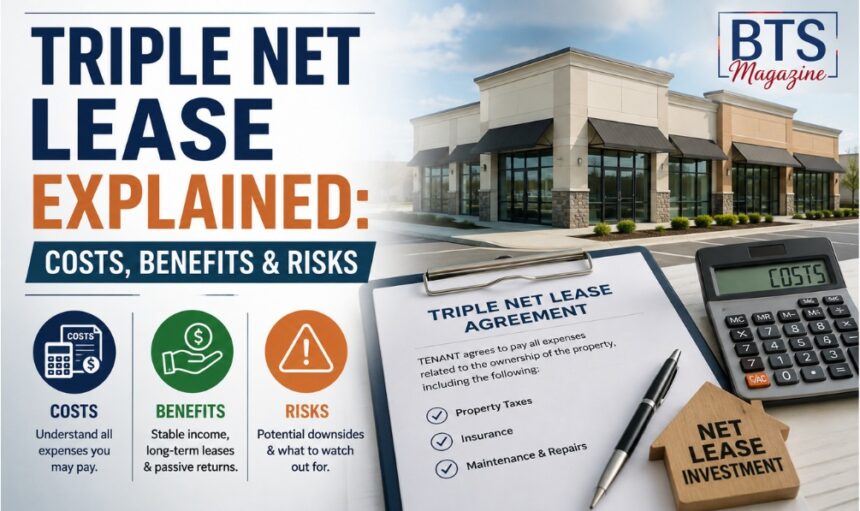
A triple net lease (also called an NNN lease) is a rental agreement where the tenant pays rent plus three extra costs: property taxes, building insurance, and maintenance costs. The landlord collects a steady base rent while the tenant covers most of the property’s operating expenses.
The “triple net” name comes from these three “nets”—taxes, insurance, and upkeep. This lease type is common in commercial real estate, especially for retail stores, restaurants, and office spaces. You can read more about the general concept of a lease on Wikipedia.
A quick real-life example
Imagine Maria opens a coffee shop in a strip mall. She signs an NNN lease at $3,000 a month. On top of that, she pays her share of the property taxes, insurance, and repairs. So her true monthly cost is closer to $3,800. Knowing this upfront helps Maria budget correctly.
Why is Triple Net Lease Important?
A triple net lease shifts financial responsibility from the landlord to the tenant. This matters because it changes how much each side pays and how predictable those costs are. For investors, it often means stable income with fewer surprises.
Understanding lease terms protects you from hidden fees. Tenants who skip the fine print may face unexpected bills. Investors who understand NNN leases can enjoy passive income with lower management stress. In short, this lease shapes your budget, your risk, and your long-term returns.
Key Features / Benefits
Triple net leases offer clear advantages for both landlords and tenants. Here are the main ones:
- Predictable income for landlords: The base rent stays steady while tenants handle variable expenses.
- Lower base rent for tenants: Since tenants pay extra costs, the starting rent is often cheaper than a standard commercial lease.
- Fewer landlord responsibilities: Owners spend less time managing repairs, taxes, and insurance.
- Long lease terms: NNN agreements often run 10 to 15 years, giving both sides stability.
- Strong investment property option: Investors like these leases because they provide steady, hands-off returns.
Mini-summary: Triple net leases reward landlords with reliable income and give tenants more control over the space they use.
Step-by-Step Guide
Thinking about signing a triple net lease? Follow these steps to protect yourself.
- Read the full rental agreement. Look closely at how taxes, insurance, and maintenance are split.
- Estimate the extra costs. Ask for past expense records so you can predict your total monthly payment.
- Check what “maintenance” includes. Some leases cover only minor repairs; others include roof or HVAC replacement.
- Compare with other lease types. See if a gross lease or modified lease might cost less overall.
- Negotiate a cost cap. Try to set a yearly limit on how much your expenses can rise.
- Hire a professional. A commercial real estate attorney or agent can spot risky clauses.
Taking these steps helps you avoid nasty surprises after you sign.
Common Mistakes to Avoid
Even smart people slip up with NNN leases. Watch out for these errors:
- Ignoring hidden costs. Focusing only on base rent can hide the real price tag.
- Skipping expense history. Without past records, you can’t predict future tenant costs.
- Overlooking major repairs. Some tenants get stuck paying for roof or parking lot repairs.
- Not negotiating caps. Rising property taxes can quickly eat into your budget.
- Forgetting who handles insurance. Confusion over building insurance can leave gaps in coverage.
Avoiding these mistakes keeps your finances safe and your relationship with the landlord smooth.
Expert Tips / Pro Tips
Want to get the most from a triple net lease? Keep these pro tips in mind:
- Ask for a “stop clause.” This caps how much expenses can grow each year.
- Request an audit right. You should be able to review the landlord’s expense reports.
- Factor in vacancies. Investors should plan for months when the property sits empty.
- Choose strong tenants. For landlords, a stable tenant makes an investment property far safer.
- Review the lease every renewal. Costs and landlord responsibilities can shift over time.
Pro insight: The best deals come from clarity. When both sides fully understand the lease terms, disputes drop and trust grows.
FAQs
What does triple net lease mean?
A triple net lease is a commercial lease where the tenant pays base rent plus property taxes, building insurance, and maintenance costs. The landlord earns steady income, while the tenant covers most operating expenses tied to the property.
Who pays for repairs in a triple net lease?
In most cases, the tenant pays for repairs and maintenance. However, some leases split major structural repairs, like the roof or foundation, with the landlord. Always confirm this in the rental agreement.
Is a triple net lease good for tenants?
It can be. Tenants enjoy lower base rent and more control over the property. The downside is unpredictable extra costs, so it works best for businesses that can manage variable expenses.
How long do NNN leases usually last?
Triple net leases often run 10 to 15 years. These long lease terms give landlords stable income and tenants a secure location for their business.
Are triple net leases risky for investors?
They carry lower management risk but still face tenant and vacancy risk. If a reliable tenant leaves, income can stop. Choosing strong tenants and good locations reduces this risk.
What’s the difference between a gross lease and an NNN lease?
In a gross lease, the landlord pays most operating costs and charges higher rent. In an NNN lease, the tenant covers taxes, insurance, and maintenance, so the base rent is usually lower.
Conclusion
A triple net lease puts more financial responsibility on tenants while giving landlords steady, low-effort income. It’s a popular choice in commercial real estate because of its long terms and predictable structure. Still, both sides must understand the costs, benefits, and risks before signing.
The smartest move is simple: read every clause, estimate your true costs, and get expert advice. Whether you’re leasing space for your business or investing in property, knowing how an NNN lease works helps you make confident decisions.
Ready to explore your options? Talk to a commercial real estate professional today and review your lease terms before you commit.
Read also: How to Use Slideplayer to Find Presentations Online