

Want to write an article that grabs top marks in your IGCSE English exam? You’re in the right place! Learning from a great article sample igcse style is the fastest way to boost your confidence and your grade.
- What Is an IGCSE Article?
- Why Is Writing a Strong Article Important?
- Key Features and Benefits of a Winning Article
- Step-by-Step Guide to Writing a High-Scoring Article
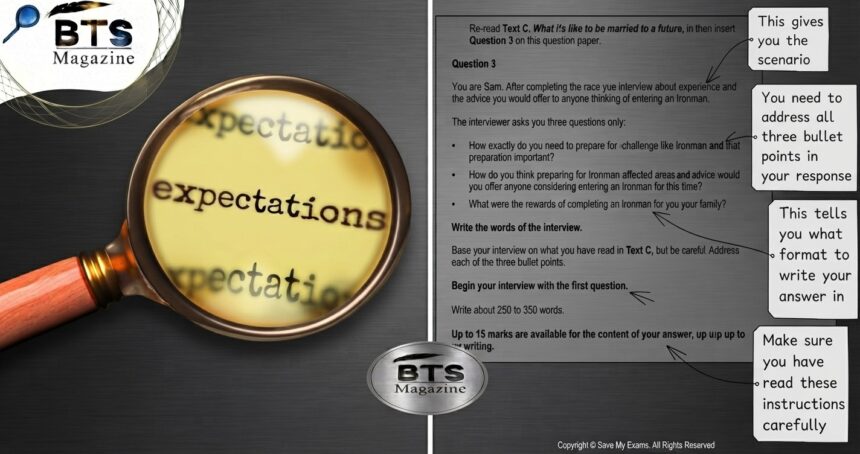
- Step 1: Read the Question Carefully
- Step 2: Plan for Five Minutes
- Step 3: Write a Catchy Title
- Step 4: Hook Them in the Introduction
- Step 5: Build Strong Body Paragraphs
- Step 6: Finish With a Memorable Conclusion
- Step 7: Check Your Work
- Common Mistakes to Avoid
- Expert Tips and Pro Tips
- FAQs
- What is an article sample for IGCSE?
- How long should an IGCSE article be?
- Do I need subheadings in my article?
- How do I make my introduction interesting?
- Can I use personal opinions in an article?
- What tense should I use?
- How can I improve my article writing quickly?
- Conclusion
This guide breaks everything down into easy, simple steps. You’ll learn what examiners want, how to structure your writing, and the little tricks that make your article shine. By the end, you’ll feel ready to write your best article yet!
Here’s what you’ll discover:
- What an IGCSE article actually is
- Why the format matters so much
- A clear step-by-step writing guide
- Common mistakes and expert tips
Let’s dive in!
What Is an IGCSE Article?
An IGCSE article is a piece of writing for a magazine, newspaper, or website that informs, entertains, or persuades readers on a chosen topic. It has a catchy title, a clear introduction, well-organized body paragraphs, and a strong conclusion. Examiners reward clear structure, engaging language, and a confident tone.
Think of an article as a friendly chat with your reader. You share an opinion or explain an idea, but you keep it lively and easy to follow. An article sample igcse style always shows this warm, reader-friendly voice.
Articles are common in Paper 1 and Paper 2 writing tasks. You might write about school life, technology, the environment, or hobbies.
Why Is Writing a Strong Article Important?
A strong article shows you can organize ideas, use varied vocabulary, and connect with a reader. These are exactly the skills IGCSE examiners test. Writing well here can lift your overall English grade and build habits that help you in college, work, and everyday communication.
Here’s the exciting part: article writing is a skill you’ll use for life! Blogs, emails, reports, and social posts all borrow the same building blocks.
Let me share a quick story. A student named Ravi kept losing marks for messy, rambling answers. Once he learned the proper article format, his writing became clear and punchy. His grade jumped from a 5 to an 8 in one term!
Key Features and Benefits of a Winning Article
A high-scoring article always has a few standout ingredients. Master these and your writing will feel polished and confident!
Core Features
- Catchy title that hints at your topic
- Engaging opening that hooks the reader fast
- Clear paragraphs, each with one main idea
- Varied sentences — short and long mixed together
- Strong vocabulary used naturally, not forced
- Neat conclusion that ties everything together
The Benefits
When your article has these features, you’ll enjoy real rewards:
- Higher exam marks for structure and style
- A confident, mature writing voice
- Faster planning under exam pressure
- Skills you’ll reuse far beyond school
To learn more about the craft itself, check out this helpful overview of article writing on Wikipedia.
Step-by-Step Guide to Writing a High-Scoring Article
Ready to write your best article? Follow these easy steps and you’ll never feel stuck again!
Step 1: Read the Question Carefully
Underline the topic, the audience, and the purpose. Are you informing, persuading, or entertaining? This shapes your whole article.
Step 2: Plan for Five Minutes
Jot down three or four main points. A quick plan keeps your writing focused and stops you from rambling.
Step 3: Write a Catchy Title
Your title should be short and clever. For example: “Screen Time: Friend or Foe?” A great title pulls the reader in instantly!
Step 4: Hook Them in the Introduction
Open your article with a question, a surprising fact, or a bold statement. This grabs attention and makes the reader want more. Then briefly hint at what your article will cover in the next paragraphs.
Step 5: Build Strong Body Paragraphs
Give each paragraph one clear idea. Start with a topic sentence, then add examples and details. Use linking words like “however,” “for example,” and “in addition.”
Step 6: Finish With a Memorable Conclusion
Sum up your main point and leave the reader thinking. A rhetorical question or a hopeful note works beautifully.
Step 7: Check Your Work
Spend two minutes fixing spelling, grammar, and punctuation. Small fixes can save big marks!
Common Mistakes to Avoid
Even talented writers slip up. Dodge these traps and your article will stand out for all the right reasons!
- No clear structure — messy paragraphs confuse examiners
- Boring titles that don’t match your topic
- Forgetting the audience — always match your tone to your reader
- Overusing big words just to impress (it backfires!)
- Skipping the plan and running out of ideas halfway
- Ignoring the word count — too short or too long both cost marks
- No proofreading, leaving silly errors behind
Remember Ravi? His biggest fix was simply slowing down to plan first. That one habit changed everything!
Expert Tips and Pro Tips
Want that extra edge? These insider tips will push your article from good to outstanding!
Pro Tips for Top Marks
- Study a model answer — a solid writing sample shows you what success looks like.
- Vary your sentence starters to keep writing fresh and lively.
- Use one strong example per paragraph instead of many weak ones.
- Practice timed writing so exam day feels calm and familiar.
- Read your work aloud — your ear catches errors your eyes miss.
A Quick Tone Tip
Match your voice to the reader. A school magazine article can feel warm and fun. A formal report needs a calmer, professional tone. Getting this right shows real skill!
FAQs
What is an article sample for IGCSE?
An article sample for IGCSE is a model piece of writing that shows the correct format, tone, and structure examiners expect. Students study these samples to learn how to write catchy titles, engaging introductions, and clear body paragraphs that score high marks.
How long should an IGCSE article be?
Most IGCSE articles should be around 250 to 350 words, depending on the exam paper. Always check your question, since word count guidance can vary. Quality matters more than length!
Do I need subheadings in my article?
Subheadings are optional but helpful. They make your article easy to read and show clear organization. Use them when the topic naturally splits into sections.
How do I make my introduction interesting?
Start with a hook — a question, a bold claim, or a surprising fact. Then hint at what’s coming. A strong opening makes examiners want to keep reading.
Can I use personal opinions in an article?
Yes! Articles often welcome your point of view, especially persuasive ones. Just support your opinions with reasons and examples so they feel convincing.
What tense should I use?
Use the present tense for general ideas and opinions. Switch to past tense only when describing events that already happened. Keep your tenses consistent.
How can I improve my article writing quickly?
Read good samples, practice with a timer, and always plan before you write. These three habits deliver fast, noticeable improvement in your exam results!
Conclusion
Writing a high-scoring IGCSE article is easier than you think! With a catchy title, a strong hook, clear paragraphs, and a neat conclusion, you’ll impress any examiner. Studying a good article sample igcse style gives you a clear map to follow.
Remember Ravi’s journey — a little planning and practice turned his marks around fast. You can do the same!
Your next step: grab a past exam question and write one article today using this guide. Time yourself, check your work, and watch your confidence grow. Start now, and your best writing is just ahead!
Read also: Washing Machine Repair: 10 Common Problems & Easy Fixes