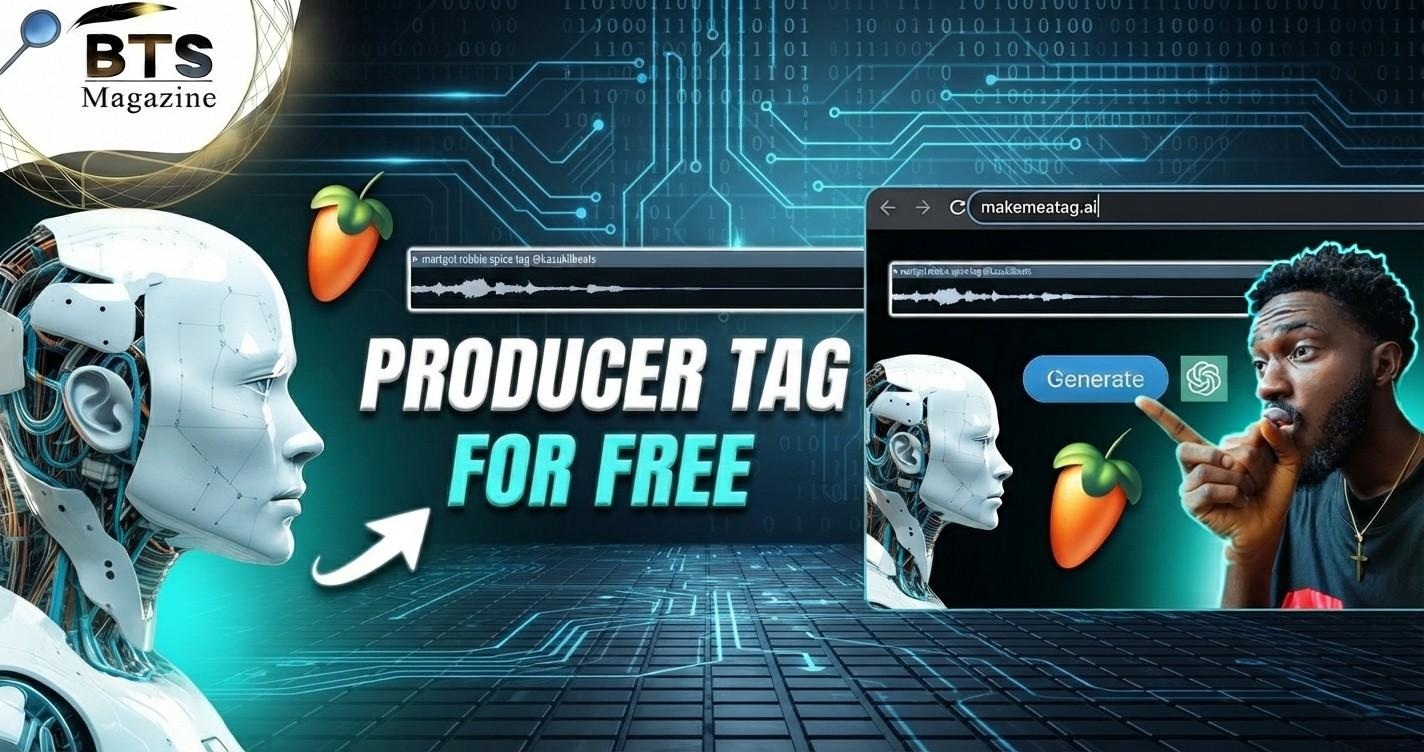
Producer Tag Generator tools can help music producers create a short, memorable audio identity for their beats. A producer tag is usually a spoken phrase, sound, or vocal effect that identifies the person behind a track. You may hear it at the beginning of a song, before a beat drops, or at another carefully chosen moment.
Here’s the thing: a good tag does not need to be complicated. A few well-chosen words can become closely associated with a producer’s sound. That is one reason producer tags have become such a recognizable part of modern hip-hop and other beat-driven music.
What Is a Producer Tag?
A producer tag is a short audio signature connected to a music producer. It can be a spoken name, phrase, vocal sound, or even a distinctive musical cue.
The basic idea is simple. When listeners hear the tag, they should have a better chance of recognizing who produced the track.
According to Wikipedia, producer tags became particularly popular in hip-hop during the 2000s. They were initially useful for identifying producers and helping protect beats from being used without proper credit.
Why Producer Tags Matter
Music can move quickly, especially online. A beat might be heard in a short video, a freestyle, a remix, or a full song.
A recognizable tag gives the producer another way to stand out.
It can also help build a consistent identity. If the same producer works with several artists, a familiar tag can connect those different tracks.
That does not mean every producer needs an extremely loud or unusual tag. Sometimes a simple voice recording works better because it fits naturally into the music.
How a Producer Tag Generator Works
A Producer Tag Generator generally focuses on helping users develop ideas for a producer identity. Depending on the specific tool, it may generate phrases, names, vocal concepts, or other starting points.
The exact features vary from one generator to another, so it is important not to assume that every tool offers the same options.
Some tools may help with wording, while others may provide audio-related features. If you are using one, check what it actually creates before deciding whether it fits your needs.
Start With Your Producer Name
Your producer name is usually the easiest place to begin.
If your name is already short and distinctive, you may not need much extra wording. A simple phrase using the name can be enough.
For example, a fictional producer called “Nova Beats” might build a concept around the name without copying the style of another producer.
The goal is recognition, not complexity.
Keep the Phrase Short
A producer tag is usually more effective when listeners can understand it quickly.
Long sentences can get in the way of a beat, especially when the tag appears near the beginning of a track.
Try thinking in terms of a few memorable words. The phrase should be easy to say, easy to hear, and easy to remember.
Choose a Voice That Fits
The voice behind a tag can completely change its character.
A deep voice might give a serious feel. A bright or energetic voice can create a different impression. A calm delivery may work better for atmospheric or melodic production.
You do not have to follow a particular trend. The voice should make sense for your own musical identity.
Experiment With Vocal Effects
Vocal processing can make a tag sound more distinctive.
Pitch changes, echoes, reverb, distortion, filtering, and other effects can change the character of a basic recording.
The important part is not to use effects simply because they are available. The processing should support the tag rather than make the words difficult to understand.
Where Should a Producer Tag Go?
Many producer tags appear near the beginning of a song or around a beat drop.
There is no single rule, though. Placement depends on the arrangement and the producer’s creative choice.
A tag that works beautifully at the start might sound distracting in the middle of a vocal section. Listening to the full beat can help you decide where it belongs.
The History Behind Producer Tags
Producer tags did not appear out of nowhere. They developed alongside hip-hop’s production culture and the need for producers to identify their work.
Wikipedia notes that producer tags have roots going back to the 1990s, while their popularity grew significantly during the 2000s and early 2010s.
They eventually became more than simple identification marks. For many producers, tags became part of their overall brand.
Producer Tags as a Musical Signature
A producer tag can work almost like an audio logo.
Think about how a company might use a short sound to make its brand recognizable. A producer can do something similar with a carefully designed vocal or musical cue.
The difference is that a producer tag lives inside a piece of music.
That makes timing, tone, and sound selection especially important.
Famous Producer Tags
Hip-hop has produced many recognizable producer tags over the years.
Metro Boomin, Mustard, Murda Beatz, Wheezy, London on da Track, and other producers are associated with distinctive tags. Wikipedia lists several notable examples and explains how producer tags became part of modern hip-hop culture.
Mustard is a particularly clear example of how a producer signature can become closely connected to a recognizable production style.
These examples are useful for understanding the concept, but copying another producer’s tag is not the goal. Your tag should represent your own identity.
Make Your Tag Original
Originality matters when creating a producer identity.
A phrase that sounds too close to an established tag may confuse listeners or make your brand feel unoriginal.
Instead, use generators for inspiration and then personalize the result.
Change the wording, delivery, rhythm, or overall concept until it feels like something that belongs to you.
Use a Producer Tag Generator for Ideas
One of the biggest advantages of a Producer Tag Generator is that it can help when you are stuck.
Maybe you know your producer name but cannot think of a good phrase. Or perhaps you have several ideas but do not know which direction sounds strongest.
A generator can provide a starting point.
You can then edit the suggestion instead of accepting it exactly as generated. That extra personal touch can make the final tag much more memorable.
Think About Your Music Style
Your tag should make sense beside your beats.
A dark, atmospheric producer might prefer a mysterious vocal treatment. Someone making energetic club-oriented music could choose something sharper and more direct.
There is no universal formula.
What sounds right depends on the genre, tempo, arrangement, and personality of the producer.
Test the Tag on Different Beats
Never judge a tag only by listening to the voice recording by itself.
Put it on several beats and listen carefully.
Does it disappear behind the drums? Is it too loud? Does the voice clash with the main melody? Does it still sound clear when the track gets busy?
These simple tests can reveal problems that are difficult to notice when listening to the tag alone.
Avoid Making It Too Long
A producer tag is not supposed to become a full introduction.
If it takes too long to finish, it may interrupt the listener’s experience.
Shorter is often easier to remember, especially when the tag appears repeatedly across different tracks.
That does not mean every tag has to contain only a couple of words. The important point is that every part should have a purpose.
Make the Tag Easy to Recognize
Recognition is one of the main reasons producers use tags.
Try to create something with a clear identity. That might come from the wording, voice, rhythm, pronunciation, or sound design.
You do not need to make it complicated.
Sometimes one distinctive element is enough to separate your tag from thousands of other audio clips.
Common Mistakes to Avoid
One common mistake is choosing a phrase that is difficult to understand.
Another is adding too many effects until the original words become unclear.
Some producers may also make their tags unnecessarily long or place them where they interfere with the song.
It is worth remembering that the tag is there to support the music, not compete with it.
Can a Tag Build a Producer Brand?
Yes, a producer tag can contribute to a producer’s branding.
When the same recognizable signature appears across different productions, listeners may begin connecting that sound with the producer.
Still, a tag alone does not create a successful music career. The quality of the beats, relationships with artists, consistency, creativity, and many other factors matter too.
The tag is one part of the bigger picture.
Producer Tags Beyond Hip-Hop
Although producer tags are strongly associated with hip-hop, the basic idea of an audio signature can be useful in other styles of music too.
Electronic producers, beatmakers, remixers, and independent creators may use recognizable sounds or vocal cues as part of their identity.
The exact style can change, but the principle remains similar: create something that helps people recognize your work.
A Simple Process for Creating Your Tag
Start by writing down your producer name.
Next, brainstorm a few short phrases connected to your personality or production style. Do not worry about finding the perfect phrase immediately.
Choose the strongest ideas and test them with different voices and deliveries.
After that, experiment with effects and placement. Listen to the finished tag alongside your beats and remove anything that feels unnecessary.
What Makes a Strong Producer Tag?
A strong tag is usually memorable, clear, appropriate for the music, and easy to recognize.
It should also feel natural rather than forced.
Most importantly, it should belong to you. A producer identity becomes more meaningful when it develops naturally alongside the music.
Final Thoughts on Producer Tag Generators
A Producer Tag Generator can be a useful starting point for producers who want to create a memorable audio identity. It can help generate ideas when you are unsure what to say or how to approach your branding.
To be honest, the generator is only the beginning. Your own choices about wording, voice, effects, timing, and originality are what can turn a basic idea into a recognizable signature.
If you want to understand the history and purpose of producer tags in more detail, you can also read the related Wikipedia article about producer tags