

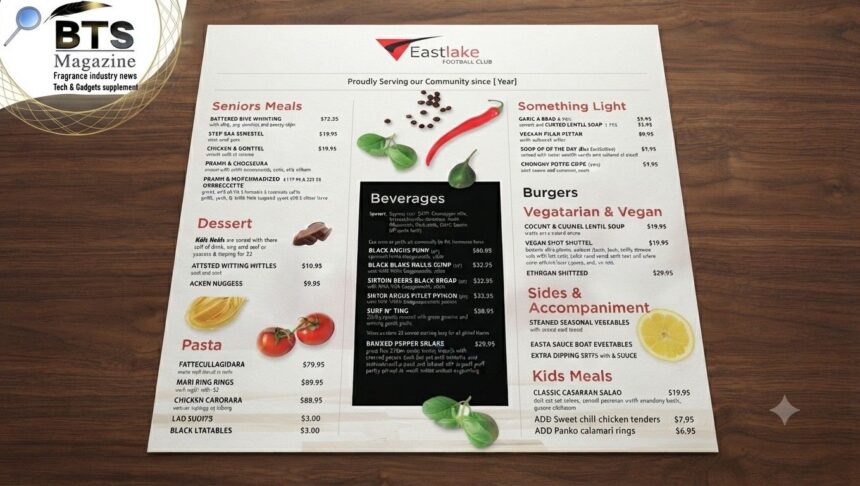
A football club menu can be almost as memorable as the match itself. From a hot pie before kickoff to chips, burgers, sandwiches, and a drink at halftime, food has become a familiar part of the stadium experience for supporters.
- What Is a Football Club Menu?
- Why Matchday Food Matters
- Traditional Football Stadium Food
- Matchday Breakfast Options
- Sandwiches and Lighter Meals
- Vegetarian and Vegan Stadium Food
- Food Allergies and Dietary Requirements
- Drinks Available on Matchday
- Food in Football Fan Zones
- Hospitality Football Club Menu Options
- How Much Does Football Stadium Food Cost?
- Why Stadium Food Can Feel Expensive
- The Importance of Fast Service
- Mobile Ordering and Cashless Payments
- Food for Families and Children
- Healthy Choices at Football Grounds
- What Makes a Good Football Club Menu?
- Tips for Choosing Matchday Food
- Can You Bring Your Own Food?
- Matchday Food Is Part of Football Culture
- Final Thoughts on the Football Club Menu
For many fans, matchday starts long before the referee blows the whistle. People arrive early, meet friends, walk around the stadium, visit the fan zone, and grab something to eat. The food choices available can therefore make a noticeable difference to the overall experience.
Here’s the thing: stadium food does not need to be fancy. Fans usually want something tasty, filling, easy to carry, reasonably priced, and quick to collect before the action begins.
What Is a Football Club Menu?
A football club menu is the selection of food and drinks available to supporters, guests, and sometimes hospitality visitors at a football stadium or club venue.
The exact selection varies from club to club. A small local ground may have a compact kiosk selling pies, chips, tea, coffee, and soft drinks. A larger stadium may have several concession stands, fan-zone vendors, restaurants, bars, hospitality lounges, and premium dining areas.
There is no single standard menu followed by every football club.
That is important because prices, portion sizes, dietary options, and available dishes can be completely different depending on the stadium.
Why Matchday Food Matters
Going to football is not simply about watching 90 minutes of action.
For many supporters, it is a social occasion. Fans may spend several hours around the stadium before and after the match, especially when travelling to an away fixture.
Having convenient food available means supporters do not always need to leave the ground or surrounding fan area when they get hungry.
Good stadium food can also become part of a club’s matchday identity.
Some supporters even develop little traditions, such as buying the same pie before every home game or meeting friends at the same food stand.
Traditional Football Stadium Food
When people think about football food, simple comfort dishes usually come to mind.
Traditional options commonly associated with stadium catering include pies, burgers, sausages, hot dogs, chips, sandwiches, and hot drinks.
These foods make sense in a football environment because most can be prepared quickly and eaten without needing a formal dining table.
A supporter may only have a short period before kickoff or during halftime, so convenience matters.
Pies Remain a Matchday Classic
Few foods feel more closely connected with British football grounds than a hot pie.
Common fillings can include meat, chicken, steak, potato, cheese, or vegetable combinations depending on the caterer.
A pie is practical because it is warm, filling, and relatively easy to eat while standing.
To be honest, a cold evening match and a hot pie seem to belong together.
Burgers and Hot Dogs
Burgers are another familiar part of the football club menu at many venues.
A basic stadium burger normally focuses on convenience rather than restaurant-style presentation. Fans may find beef burgers, cheeseburgers, chicken burgers, or plant-based alternatives.
Hot dogs and sausages serve a similar purpose.
They can be prepared quickly, placed in a bun, and handed directly to supporters without complicated serving arrangements.
Chips and Loaded Fries
Chips are an obvious stadium favourite because they work as either a snack or a side dish.
Some venues may also offer loaded fries topped with cheese, sauces, meat, onions, or other ingredients.
Loaded options can be especially appealing in fan zones where supporters have more time to sit and eat before entering the stands.
Matchday Breakfast Options
Early kickoff times create a slightly different food situation.
Supporters travelling several hours for a match may arrive in the morning, meaning breakfast food can make sense.
A matchday breakfast selection could include breakfast rolls, sausage sandwiches, bacon sandwiches, eggs, pastries, toast, coffee, and tea.
Not every club offers breakfast, so supporters attending an early fixture should check the club’s official matchday information when available.
Sandwiches and Lighter Meals
Not everyone wants a burger or a large portion of chips.
That is why sandwiches, wraps, salads, baguettes, and similar lighter choices can make a football club menu more useful for a wider range of visitors.
Cold food can also help reduce pressure on hot-food counters.
Supporters who simply want something quick before finding their seat may prefer a sandwich and drink rather than waiting for a freshly prepared hot meal.
Grab-and-Go Food
Grab-and-go food has one major advantage: speed.
Football stadiums experience sudden spikes in demand. Thousands of people can decide they want food within the same short period before kickoff or at halftime.
Prepacked sandwiches, snacks, bottled drinks, and similar items can help supporters move through concession areas faster.
Vegetarian and Vegan Stadium Food
Football crowds include people with many different eating preferences.
As a result, vegetarian and vegan options can be an important part of modern stadium catering.
Possible choices include plant-based burgers, vegetable pies, vegan sausage rolls, chips, wraps, curries, or meat-free sandwiches.
The exact ingredients should always be checked, particularly when someone has a dietary restriction rather than simply a preference.
What’s interesting is that plant-based food does not necessarily need to be presented as a special or unusual option. A good vegetable pie or meat-free burger can simply sit alongside the rest of the menu.
Food Allergies and Dietary Requirements
Anyone with a serious food allergy should be especially careful when ordering food at a crowded sporting venue.
Ingredients, preparation methods, and the possibility of cross-contact can vary between catering operators.
A printed football club menu may provide basic dietary information, but supporters with allergies should speak directly with trained catering staff whenever possible.
Club websites may also publish accessibility or catering information before a fixture.
Never assume that a food item is allergen-free purely because the main ingredient appears safe.
Drinks Available on Matchday
Food is only one part of stadium catering.
Common non-alcoholic drinks can include water, soft drinks, tea, coffee, hot chocolate, and fruit drinks.
Some football venues also sell alcoholic beverages where permitted, although availability and rules can vary by club, competition, stadium area, and local regulations.
For that reason, supporters should check the individual venue rather than assuming the same rules apply everywhere.
Tea and Coffee
Hot drinks are particularly useful during cold or wet fixtures.
Tea and coffee are simple products, but they can be among the most welcome items inside a stadium when supporters have spent hours outside.
Some venues may also have dedicated coffee stands offering a wider selection.
Food in Football Fan Zones
Fan zones have changed the way some supporters eat before matches.
Instead of relying entirely on the traditional stadium kiosk, a fan zone can provide multiple food vendors in one area.
Depending on the event and venue, supporters might find street-food stalls, pizza, barbecue dishes, burgers, chicken, desserts, international food, and drinks.
This creates more variety and can encourage fans to arrive earlier.
However, fan-zone offerings can change from game to game, so advertised options should always be checked before travelling.
Hospitality Football Club Menu Options
Hospitality dining is usually very different from standard concourse food.
Premium ticket packages may include access to restaurants, lounges, private boxes, buffets, or multi-course meals.
A hospitality football club menu might include starters, cooked main dishes, desserts, refreshments, and table service depending on the package.
This type of dining is aimed at a different experience.
Instead of grabbing food five minutes before kickoff, hospitality guests may arrive considerably earlier and make dining part of the event.
Executive Boxes and Lounges
Executive boxes can offer another level of matchday catering.
Food may be served privately or through an adjoining hospitality area. Some packages may include drinks, snacks, meals, or post-match refreshments.
Because hospitality packages differ widely, supporters and corporate guests should read exactly what is included before purchasing.
Never assume food or drinks are automatically included just because a ticket is described as premium.
How Much Does Football Stadium Food Cost?
There is no universal price list for football stadium food.
Prices depend on the club, stadium, catering company, city, food type, portion size, and matchday setup.
That means it would be misleading to give one price and suggest it applies to all clubs.
The best way to check is through the club’s official website, matchday guide, catering information, mobile app, or displayed menu boards at the stadium.
Fans travelling on a budget may also choose to eat before arriving at the ground.
Why Stadium Food Can Feel Expensive
Supporters sometimes compare stadium prices with supermarkets or ordinary takeaway shops.
The comparison is understandable, but stadium catering operates in a very unusual environment.
Demand is concentrated into short periods. Food stands need staff, equipment, storage, cleaning, security coordination, packaging, and the ability to serve large crowds quickly.
That does not automatically mean every stadium price represents good value.
It simply explains why football catering works differently from an ordinary restaurant that serves customers steadily throughout an entire day.
The Importance of Fast Service
Speed can be just as important as taste.
Imagine reaching the front of a food queue just as the second half begins. Even an excellent burger suddenly seems less appealing if you have missed a goal while waiting for it.
An effective football club menu should therefore balance variety with operational simplicity.
Too many complicated dishes can slow service down.
Simple items that can be prepared consistently and handed over quickly often make more sense during peak periods.
Halftime Queues
Halftime creates one of the biggest challenges for stadium catering.
Thousands of supporters can leave their seats at almost the same moment, while the break itself is relatively short.
Fans wanting food during this period can improve their chances of being served quickly by knowing where the nearest concession stand is before the match begins.
Where available, pre-ordering or mobile ordering can also help reduce unnecessary waiting.
Mobile Ordering and Cashless Payments
Technology is becoming increasingly relevant to the stadium food experience.
Some venues may use mobile ordering, digital menu screens, collection points, or cashless payment systems.
These systems can make transactions faster when they work well.
Still, there is no reason to assume every football ground uses the same setup. Smaller grounds may continue using straightforward counters and traditional payment methods.
Checking matchday information before leaving home can prevent confusion.
Food for Families and Children
Families often have different priorities from groups of adult supporters.
Children may prefer smaller portions, simple sandwiches, chips, pizza, snacks, fruit, or familiar drinks.
A family-friendly football club menu should ideally provide choices beyond large adult meals.
Parents may also want to know whether food can be brought into the stadium.
Policies on outside food, bottles, bags, and containers can differ between venues, so the individual club’s stadium regulations should always be checked.
Healthy Choices at Football Grounds
Football food has traditionally been associated with pies, burgers, and chips, but not every supporter wants a heavy meal.
Health-conscious visitors may look for salads, fruit, wraps, grilled dishes, lower-calorie drinks, or smaller portions.
Whether those choices are available depends entirely on the venue.
Providing both traditional comfort food and lighter alternatives can make stadium catering suitable for a broader audience without removing the classic matchday favourites people already enjoy.
What Makes a Good Football Club Menu?
The best menu is not necessarily the biggest one.
A successful football club menu should focus on a few basic things: taste, speed, value, cleanliness, clear pricing, reliable availability, and enough variety for different dietary needs.
Quality also needs to be consistent.
Fans are unlikely to be impressed by a huge list of food if half the items are unavailable or the queue takes most of halftime.
Simple food prepared well can often create a better experience.
Tips for Choosing Matchday Food
Before attending a match, check the club’s official website or matchday guide for catering information.
Arriving early is also useful if you want to explore different food stands rather than buying the first available item.
If you have allergies, vegetarian requirements, vegan preferences, or other dietary needs, check the ingredients rather than relying only on the product name.
And if you are attending a new stadium, asking regular supporters for recommendations can sometimes uncover a popular stand that is easy to miss.
Can You Bring Your Own Food?
This depends on stadium policy.
Some football grounds may allow certain food items while restricting particular containers, drinks, bottles, cans, or bags.
Other venues can have stricter entry policies.
Because security rules can change and differ between stadiums, always use the official club guidance for the match you are attending.
Turning up with a full meal and assuming it will be allowed through the gate is not a great strategy.
Matchday Food Is Part of Football Culture
Food will never replace the football itself, but it adds another layer to the experience.
The smell of chips outside the ground, a hot drink on a freezing evening, a pie before kickoff, and conversations with friends while standing around a food stall all become small parts of matchday memories.
That is why supporters can become surprisingly passionate about stadium catering.
They are not simply reviewing lunch. They are talking about a tradition connected with following their club.
Final Thoughts on the Football Club Menu
A good football club menu does not need celebrity chefs or complicated dishes. Fans mainly need food that tastes good, arrives quickly, offers reasonable choice, and can be eaten comfortably in a busy stadium environment.
From traditional pies and burgers to vegan meals, coffee, fan-zone street food, and hospitality dining, matchday catering can take many forms. The exact offering will always depend on the individual club and venue, so checking official information before a match remains the best approach. Football itself has a long and fascinating history, with the modern association game developing around formal rules established in the 19th century. Readers interested in that wider background can explore Association football on Wikipedia and see how the sport behind the modern matchday experience developed over time.