

Chondromalacia is one of those knee problems that sneaks up on you. One day your knee feels fine, and the next it aches every time you climb stairs or stand up after sitting for a while. If that sounds familiar, you’re in the right place.
- What Is Chondromalacia, Exactly?
- Why the Cartilage Matters So Much
- Is Chondromalacia the Same as Runner’s Knee?
- What Causes Chondromalacia?
- Who’s Most at Risk?
- Common Symptoms to Watch For
- Aching Pain Around the Kneecap
- Pain That Gets Worse With Activity
- Grinding or Clicking Sensation
- Mild Swelling
- How Is Chondromalacia Diagnosed?
- Treatment Options That Actually Help
- Rest and Activity Changes
- Ice and Pain Relief
- Physical Therapy
- Supportive Braces or Taping
- Surgery for Severe Cases
- Can You Prevent Chondromalacia?
- When Should You See a Doctor?
- Living With Chondromalacia Day to Day
- Ready to Protect Your Knees?
Here’s the thing — a lot of people deal with chondromalacia without even knowing what it’s called. So let’s break it down in plain English.
What Is Chondromalacia, Exactly?
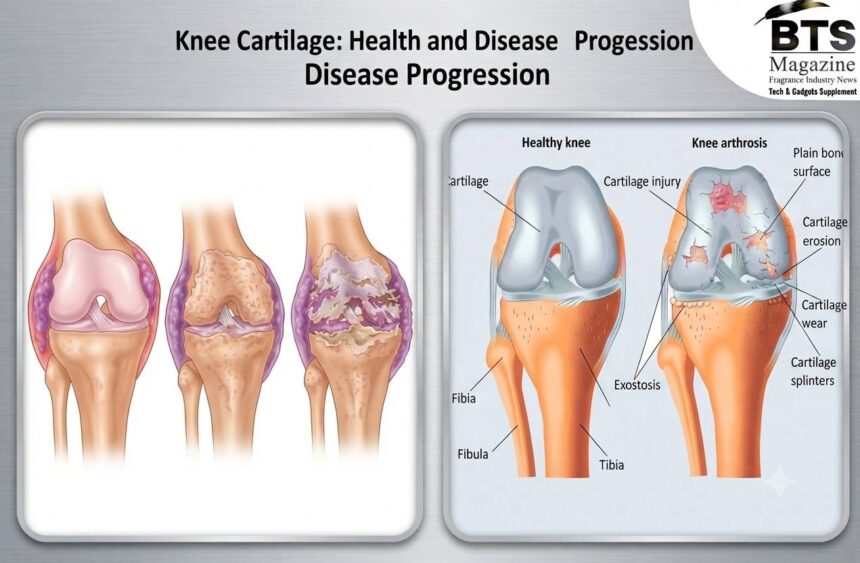
Chondromalacia is the softening and breakdown of the cartilage under your kneecap. That cartilage is supposed to be smooth and glide easily. When it softens or wears down, movement gets rough and painful.
The full medical name you’ll often hear is chondromalacia patellae. “Patellae” simply points to the patella, which is the fancy word for your kneecap.
Why the Cartilage Matters So Much
Your knee cartilage acts like a cushion. It sits between bones and helps your knee joint move without grinding.
When that cushion softens, your kneecap doesn’t track properly. That’s when the pain and the weird sensations start.
Quick takeaway: healthy cartilage = smooth movement. Damaged cartilage = kneecap pain and friction.
Is Chondromalacia the Same as Runner’s Knee?
People mix these up all the time, and honestly, it’s easy to see why. Chondromalacia is closely linked to what many call runner’s knee.
You’ll also hear the term patellofemoral pain used in the same conversation. These conditions overlap, but chondromalacia specifically refers to the cartilage softening itself.
What Causes Chondromalacia?
There’s rarely one single reason. Usually it’s a mix of things stacking up over time. Let’s look at the most common culprits.
Overuse and Repetitive Stress
If you run, cycle, jump, or squat a lot, your kneecap takes a beating. Repeating the same motion over and over can wear the cartilage down.
Poor Kneecap Alignment
Sometimes the patella doesn’t sit where it should. When it drifts off track, it rubs against bone in the wrong spot. That extra friction slowly damages the cartilage.
Injury or Trauma
A direct hit to the knee, a fall, or a dislocation can trigger cartilage softening. Even one bad injury can set things off.
Age and Wear
To be honest, cartilage just doesn’t stay young forever. As we get older, it naturally becomes thinner and more prone to damage.
Who’s Most at Risk?
Some people are simply more likely to develop chondromalacia than others. It helps to know if you fall into a higher-risk group.
- Athletes and runners who train hard
- Teenagers and young adults during growth spurts
- Women, partly due to hip and knee angle differences
- People with weak or imbalanced thigh muscles
- Anyone recovering from a knee injury
If a few of those apply to you, it’s worth paying closer attention to how your knees feel.
Common Symptoms to Watch For
What’s interesting is that chondromalacia symptoms can be sneaky. They often start mild and slowly get worse.
Aching Pain Around the Kneecap
This is the big one. You’ll usually feel a dull ache at the front of the knee, right around or behind the patella.
Pain That Gets Worse With Activity
Stairs, squats, kneeling, and sitting for long stretches tend to make it flare up. That “movie theater knee” after sitting too long? Classic sign.
Grinding or Clicking Sensation
Many people notice a grinding feeling when they bend or straighten the knee. Sometimes you can even hear a soft crackling sound.
Mild Swelling
The knee joint might puff up a little, especially after heavy use. It’s usually not dramatic, but you’ll notice it.
How Is Chondromalacia Diagnosed?
You can’t really diagnose this one yourself. A proper checkup matters, so a doctor can rule out other issues.
Physical Exam
The doctor will press around your kneecap, bend your leg, and check how the patella moves. They’re feeling for tenderness and tracking problems.
Imaging Tests
X-rays help spot bone alignment issues. But for cartilage softening specifically, an MRI gives a much clearer picture.
Sometimes, in tricky cases, a doctor may use arthroscopy — a tiny camera inside the knee — to see the cartilage directly.
Treatment Options That Actually Help
Good news first: most cases of chondromalacia improve without surgery. The goal is to calm the pain and protect the cartilage.
Rest and Activity Changes
Give your knee a break from whatever’s aggravating it. That doesn’t mean total couch mode — just swap high-impact stuff for gentler options.
Ice and Pain Relief
Ice helps with swelling after activity. Over-the-counter anti-inflammatory meds can ease patellofemoral pain, though check with your doctor first.
Physical Therapy
Here’s the thing — this is often the real game-changer. Strengthening your quads, hips, and glutes helps the kneecap track properly.
A physical therapist can build a plan just for you. Better muscle balance takes pressure off the damaged cartilage.
Supportive Braces or Taping
Some people find knee braces or taping helpful. They can guide the patella and reduce that painful rubbing.
Surgery for Severe Cases
Surgery is usually a last resort. If nothing else works, a surgeon may smooth the damaged cartilage or fix alignment problems. Most people never reach this stage.
Can You Prevent Chondromalacia?
You can’t guarantee it, but you can seriously lower your risk. A few simple habits go a long way.
Strengthen the Right Muscles
Strong thighs and hips keep your kneecap in line. Focus on balanced strength, not just one muscle group.
Warm Up and Stretch
Cold muscles don’t protect your joints well. A few minutes of warming up before activity really does matter.
Watch Your Form
Bad squatting or running form puts uneven stress on the knee joint. If you’re unsure, a coach or trainer can help you fix it.
Ease Into New Activities
Ramping up training too fast is a common trigger. Give your body time to adjust to new mileage or intensity.
When Should You See a Doctor?
Mild knee aches often settle on their own. But some signs shouldn’t be ignored.
Book an appointment if your knee pain lasts more than a couple of weeks. Same goes for swelling that won’t calm down, a knee that locks or gives out, or pain that keeps you from daily activities.
Catching chondromalacia early usually means an easier recovery. Waiting too long can let the cartilage softening get worse.
Living With Chondromalacia Day to Day
The good part? Most people manage this condition well and keep doing what they love. It’s about smart choices, not giving everything up.
Listen to your knee. If a certain movement hurts, adjust it. Small tweaks in how you move and train can make a huge difference over time.
Ready to Protect Your Knees?
If your knees have been talking to you lately, don’t brush it off. Try a simple routine of quad and hip strengthening this week, and book a checkup if the pain sticks around.
Your knee joint carries you everywhere — treat it like it matters.
If you want to dig into the clinical side of things, the Wikipedia page on Chondromalacia patellae is a solid starting point for the medical details behind kneecap pain and cartilage softening.
Continue reading: Range Strategy to Estimate: The Smarter Way to Plan and Predict Anything