

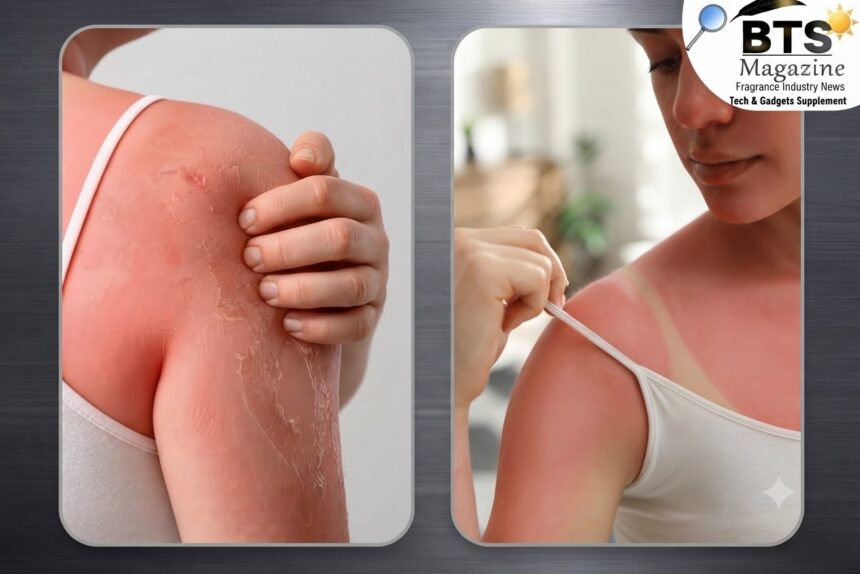
Sun poisoning sounds scary, right? Like the sun somehow poisoned you. But here’s the thing—it’s not actual poison at all. It’s the term people use for a severe sunburn that comes with extra nasty symptoms, like nausea, chills, and blistering skin. And to be honest, a lot of folks brush it off until they’re stuck in bed feeling miserable.
- What Is Sun Poisoning, Exactly?
- Sun Poisoning vs. Regular Sunburn
- What Causes Sun Poisoning?
- Common Symptoms of Sun Poisoning
- Who’s Most at Risk?
- How Long Does Sun Poisoning Last?
- Treating Sun Poisoning at Home
- When Should You See a Doctor?
- How to Prevent Sun Poisoning
- Does Sun Poisoning Cause Long-Term Damage?
- Frequently Asked Questions
- Is sun poisoning contagious?
- Can you get sun poisoning on a cloudy day?
- What’s the fastest way to feel better?
- Can sun poisoning come back?
- Final Thoughts
So let’s talk about what sun poisoning really is, why it happens, and how you can deal with it (or better yet, avoid it altogether).
What Is Sun Poisoning, Exactly?
Sun poisoning is basically your body reacting badly to too much UV radiation. It’s more intense than a typical sunburn and often affects how you feel all over, not just your skin.
What’s interesting is that the name is a bit misleading. Nothing toxic enters your body. Instead, your skin and system get overwhelmed by sun exposure, and things spiral from there.
Sun Poisoning vs. Regular Sunburn
A regular sunburn is annoying but usually manageable. Red skin, a bit of stinging, maybe some peeling a few days later.
Sun poisoning takes it up a notch. You might get sunburn blisters, a fever, and feel genuinely sick. The difference isn’t a separate condition—it’s really about severity.
How to Tell Them Apart
If your skin is just red and warm, that’s likely a normal burn. But if you’re dizzy, nauseous, or your skin is blistering badly, you’re probably dealing with sun poisoning.
What Causes Sun Poisoning?
The main culprit is overexposure to UV radiation. That’s the invisible light from the sun (and tanning beds) that damages your skin cells.
Spend too long outside without protection, and your skin takes a serious hit. The more UV you soak up, the worse the reaction gets.
Other Things That Make It Worse
Some medications make your skin more sensitive to sunlight. Certain skincare products do too. And if you have fair skin, you’re naturally more at risk.
Reflective surfaces like water, sand, and snow bounce UV rays right back at you. So you can burn faster than you’d expect near a lake or on the beach.
Common Symptoms of Sun Poisoning
Here’s where it gets uncomfortable. Sun poisoning brings symptoms that go way beyond red skin.
You might notice:
- Painful skin that’s red, swollen, or covered in sunburn blisters
- Nausea or vomiting
- Fever and chills
- Dizziness or headaches
- Dehydration
- Peeling skin as things heal
To be honest, some people feel like they’ve caught the flu. That whole-body sick feeling is a big sign this is more than a mild burn.
When Symptoms Point to Heat Illness
Sometimes sun poisoning overlaps with heat illness. If you’re overheating, sweating buckets (or not sweating at all), and feeling faint, you could be slipping into heat exhaustion. That’s a whole other level of serious.
Who’s Most at Risk?
Not everyone reacts to the sun the same way. Some people burn in fifteen minutes, others last hours.
You’re at higher risk if you:
- Have light skin, hair, or eyes
- Take medications that increase sun sensitivity
- Live or vacation in sunny, high-altitude places
- Spend long hours outdoors without SPF sunscreen
Kids and older adults also tend to be more vulnerable. Their skin handles sun exposure differently.
How Long Does Sun Poisoning Last?
This depends on how bad it is. A mild case might clear up in a few days.
More severe sun poisoning—the kind with blistering and fever—can stick around for a week or longer. Your skin needs time to repair the damage, and rushing it doesn’t help.
The Healing Timeline
The first couple of days are usually the worst. After that, the pain eases, and your skin starts to peel as it recovers. Just don’t pick at it.
Treating Sun Poisoning at Home
Good news—most cases can be handled at home. The goal is to cool your skin, ease the pain, and rehydrate your body.
Here’s what actually helps.
Cool It Down
Take a cool (not ice-cold) shower or press a damp cloth against the burn. This calms the heat trapped in your skin.
Hydrate Like It Matters
Drink plenty of water. Sun poisoning often leads to dehydration, so keep fluids coming even if you’re not super thirsty.
Soothe the Skin
Aloe vera gel is a classic for a reason. It cools and moisturizes. Fragrance-free lotions work too. Skip anything with alcohol—it’ll just dry you out more.
Manage the Pain
Over-the-counter pain relievers like ibuprofen can reduce swelling and take the edge off. They also help with any fever you’re running.
Leave Blisters Alone
I know it’s tempting, but don’t pop sunburn blisters. They protect the skin underneath and lower your risk of infection. Let them heal on their own.
When Should You See a Doctor?
Most sun poisoning heals fine at home. But sometimes you need real medical help.
Get checked out if you have:
- A high fever that won’t drop
- Widespread blistering
- Signs of dehydration, like a dry mouth and no urination
- Confusion or fainting
- Blisters that look infected (oozing, extra swollen, or warm)
If someone shows signs of severe heat exhaustion along with the burn, don’t wait around. That combo can turn dangerous fast.
How to Prevent Sun Poisoning
Here’s the thing—prevention is honestly the easiest part of this whole topic. A few simple habits keep you safe.
Wear SPF Sunscreen Every Day
Use a broad-spectrum SPF sunscreen of at least 30. Reapply every two hours, and more often if you’re swimming or sweating.
Cover Up
Hats, sunglasses, and light long-sleeved clothing block a ton of UV radiation. They’re your first line of defense.
Time Your Sun Exposure
The sun hits hardest between 10 a.m. and 4 p.m. Try to grab some shade during those peak hours.
Watch the UV Index
Check the UV index before heading out. When it’s high, take extra precautions to avoid skin damage.
Does Sun Poisoning Cause Long-Term Damage?
Repeated severe sunburn does add up. Every serious burn increases your risk of premature aging and skin cancer down the line.
So even though one bad episode of sun poisoning heals, protecting your skin over the years really matters.
Frequently Asked Questions
Is sun poisoning contagious?
Nope. It’s a reaction to UV radiation, not an infection. You can’t catch it from anyone.
Can you get sun poisoning on a cloudy day?
Yes, you can. Up to 80% of UV rays pass through clouds, so you still need SPF sunscreen even when it’s overcast.
What’s the fastest way to feel better?
Cool your skin, hydrate well, use aloe, and rest. There’s no instant fix—your body just needs time to heal the damage.
Can sun poisoning come back?
The condition itself doesn’t linger, but you can absolutely get it again with future sun exposure. That’s why prevention is key.
Final Thoughts
Sun poisoning isn’t something to shrug off. It’s your body waving a big red flag that you’ve had way too much UV radiation. Take the symptoms seriously, treat them properly, and lean hard into prevention next time.
If you want to read more about how UV radiation causes skin damage and severe sunburn, this detailed Wikipedia article on sunburn is a solid place to dig deeper. Your skin does a lot for you—give it the protection it deserves.
Continue reading: Communication Skills: Why They Matter More Than You Think