

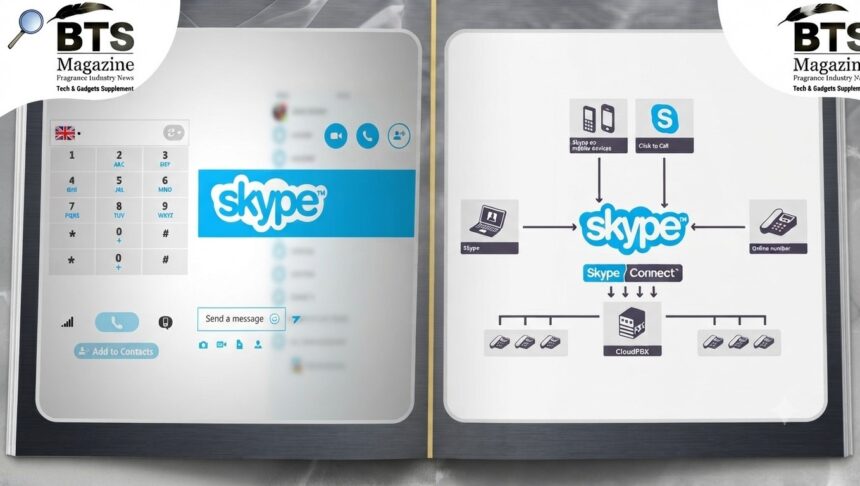
voip software skype changed the way people communicate over the internet. For years, it allowed millions of users to make voice calls, video calls, and send messages without relying on traditional phone networks. Whether you used it for business meetings, family conversations, or international calls, Skype became one of the most recognized names in online communication.
- What Is VoIP Software?
- What Is Skype?
- The History of Skype
- Why Skype Became So Popular
- Main Features of VoIP Software Skype
- How VoIP Software Works
- Advantages of Using VoIP Software Skype
- Limitations of Skype
- Why Businesses Started Choosing Other VoIP Platforms
- Skype vs Modern VoIP Software
- Common Uses of VoIP Technology Today
- Tips for Better VoIP Call Quality
- Use a Stable Internet Connection
- Wear a Good Headset
- Close Unnecessary Applications
- Keep Software Updated
- Is Skype Still Available?
- The Lasting Impact of Skype
- Key Takeaways
- Frequently Asked Questions
- 1. What does VoIP mean?
- 2. Why was Skype so popular?
- 3. Is Skype still supported?
- 4. Can VoIP software replace traditional phones?
- 5. What internet speed is recommended for VoIP calls?
- Final Thoughts
Today, the communication landscape has changed. New cloud-based collaboration tools have entered the market, and Skype is no longer the only option. Even so, understanding how Skype influenced VoIP technology helps explain why modern communication apps work the way they do.
What Is VoIP Software?
VoIP stands for Voice over Internet Protocol. Instead of sending voice calls through traditional telephone lines, VoIP converts your voice into digital data and sends it over the internet.
This technology offers several benefits:
- Lower calling costs
- High-quality audio
- Video conferencing
- Instant messaging
- Screen sharing
- File sharing
- Cross-device compatibility
Businesses and individuals now use VoIP every day for work and personal communication.
What Is Skype?
Skype is one of the world’s best-known VoIP applications. It allows users to communicate through:
- Voice calls
- Video calls
- Group meetings
- Instant messaging
- Screen sharing
- File transfers
It works on Windows, macOS, Linux, Android, iPhone, tablets, and web browsers.
Skype became especially popular because it made international communication affordable and simple.
The History of Skype
Skype was launched in 2003 by developers from Estonia together with Scandinavian entrepreneurs.
What’s interesting is that Skype appeared at a time when internet speeds were improving, making internet-based calling practical for everyday users.
Some important milestones include:
| Year | Event |
|---|---|
| 2003 | Skype launched |
| 2005 | Acquired by eBay |
| 2009 | Majority stake sold to investor group |
| 2011 | Microsoft acquired Skype |
| 2020 | Heavy use during remote work boom |
| 2025 | Microsoft officially retired Skype and encouraged users to move to Microsoft Teams |
Skype played a major role in introducing VoIP to mainstream users.
Why Skype Became So Popular
Here’s the thing.
Before Skype, international phone calls could be expensive.
Skype changed that by letting people make internet calls for free between Skype users.
Its popularity grew because it offered:
- Free Skype-to-Skype calls
- Easy account creation
- Video calling
- Affordable international calling
- Reliable performance
- User-friendly interface
People quickly adopted it for both personal and professional communication.
Main Features of VoIP Software Skype
Voice Calling
The core feature has always been internet voice calling.
Users could call anyone with a Skype account from almost anywhere in the world.
Video Calling
Skype helped make video conversations normal.
Friends, families, teachers, and businesses all benefited from face-to-face online communication.
Group Meetings
Multiple participants could join the same call.
This feature became especially valuable for remote teams.
Instant Messaging
Besides calling, Skype offered a built-in chat system.
Users could:
- Send messages
- Share emojis
- Create group chats
- Exchange files
Screen Sharing
Screen sharing allowed users to show presentations, software, or documents during meetings.
This became an essential business feature.
File Sharing
Skype supported sharing:
- PDFs
- Images
- Videos
- Documents
- Presentations
This eliminated the need for separate file transfer tools during conversations.
How VoIP Software Works
VoIP technology follows a simple process.
- Your microphone records your voice.
- The voice is converted into digital packets.
- The packets travel across the internet.
- The recipient’s device converts them back into audio.
The entire process happens within seconds.
Modern broadband connections make the experience feel almost identical to traditional phone calls.
Advantages of Using VoIP Software Skype
There are several reasons why Skype remained popular for many years.
Lower Costs
International calls became much cheaper than traditional telephone services.
Easy Setup
Creating an account only took a few minutes.
No complicated hardware was required.
Multi-Platform Support
Skype worked on:
- Windows
- Mac
- Linux
- Android
- iPhone
- Tablets
- Web browsers
Users could continue conversations across devices.
Business Communication
Companies used Skype for:
- Team meetings
- Client discussions
- Interviews
- Remote work
- Online training
Personal Communication
Families living in different countries stayed connected through free video calls.
To be honest, this was one of Skype’s biggest strengths.
Limitations of Skype
Although Skype was revolutionary, it also had limitations.
Some users experienced:
- Audio delays
- Connection drops on slow internet
- Large application size
- Increasing competition
- Fewer business features compared to newer platforms
As technology improved, users began moving toward cloud collaboration platforms.
Why Businesses Started Choosing Other VoIP Platforms
Business communication needs changed over time.
Companies wanted software that combined:
- Video meetings
- Chat
- Document collaboration
- Calendar integration
- Project management
- Cloud storage
Many newer platforms offered all of these within one application.
That made them attractive alternatives for growing organizations.
Skype vs Modern VoIP Software
| Feature | Skype | Modern VoIP Platforms |
|---|---|---|
| Voice Calls | Yes | Yes |
| Video Meetings | Yes | Yes |
| Messaging | Yes | Yes |
| Screen Sharing | Yes | Yes |
| Team Collaboration | Limited | Extensive |
| Cloud Integration | Basic | Advanced |
| Project Collaboration | No | Often Included |
Modern collaboration software focuses on complete workplace productivity instead of just communication.
Common Uses of VoIP Technology Today
Even though Skype itself has been retired, VoIP continues to power communication worldwide.
Common uses include:
- Customer support
- Remote work
- Online education
- Healthcare consultations
- International business
- Family communication
- Freelancing
- Virtual conferences
VoIP has become an essential part of modern digital life.
Tips for Better VoIP Call Quality
A few simple steps can improve your calling experience.
Use a Stable Internet Connection
Fast and reliable internet makes a noticeable difference.
Wear a Good Headset
A quality microphone reduces background noise.
Close Unnecessary Applications
Other downloads or streaming services may reduce call quality.
Keep Software Updated
Software updates often improve performance and security.
Is Skype Still Available?
Microsoft officially retired Skype in 2025 and shifted its focus toward Microsoft Teams for communication and collaboration.
Existing users were encouraged to move their contacts and conversations to Teams.
While Skype played a historic role in internet calling, it is no longer Microsoft’s primary communication platform.
The Lasting Impact of Skype
What’s interesting is that many features we now consider normal first became popular because of Skype.
These include:
- Video chatting
- Internet voice calls
- Screen sharing
- Group video meetings
- Cross-platform communication
Skype helped millions of people become comfortable with online communication long before remote work became common.
Its influence can still be seen in today’s collaboration software.
Key Takeaways
- VoIP sends voice calls over the internet.
- Skype became one of the most famous VoIP applications.
- It offered voice calls, video meetings, messaging, and file sharing.
- Microsoft acquired Skype in 2011.
- Skype was officially retired in 2025.
- Modern VoIP platforms now offer broader collaboration tools.
- Skype remains an important milestone in internet communication history.
Frequently Asked Questions
1. What does VoIP mean?
VoIP stands for Voice over Internet Protocol, a technology that allows voice communication over the internet instead of traditional phone lines.
2. Why was Skype so popular?
Skype became popular because it offered free internet calls, affordable international calling, video meetings, and easy-to-use messaging features.
3. Is Skype still supported?
No. Microsoft officially retired Skype in 2025 and recommends using Microsoft Teams instead.
4. Can VoIP software replace traditional phones?
Yes. Many businesses and individuals now rely entirely on VoIP services for daily communication.
5. What internet speed is recommended for VoIP calls?
A stable broadband connection with low latency generally provides clear voice and video quality.
Final Thoughts
voip software skype helped shape the future of online communication. It introduced millions of people to internet calling and made long-distance conversations easier and more affordable. Although newer collaboration platforms have taken its place, Skype’s contribution to VoIP technology remains significant. If you’d like to learn more about Skype’s history and development, its Wikipedia page is a useful starting point: https://en.wikipedia.org/wiki/
Continue reading: Larches: The Stunning Deciduous Conifers You Need to Know About