

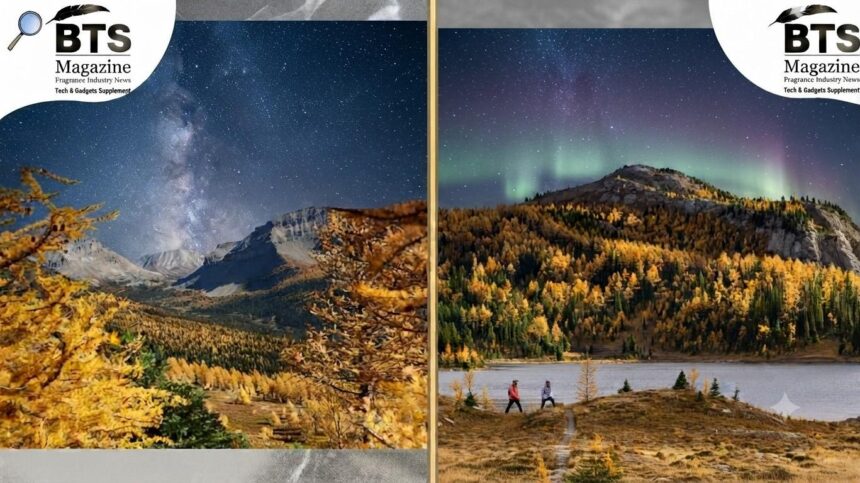
Larches are one of nature’s little surprises. They’re conifers, sure, but unlike most of their evergreen cousins, they drop their needles every autumn. That single trait makes them stand out in any forest. If you’ve ever seen a hillside glowing gold in October and wondered what those trees were, there’s a good chance you were looking at larches.
- What Are Larches, Exactly?
- Why Larches Are Different From Other Conifers
- The Main Species of Larches
- European Larch (Larix decidua)
- Western Larch (Larix occidentalis)
- Japanese Larch (Larix kaempferi)
- Siberian Larch (Larix sibirica)
- Where Do Larches Grow?
- How to Identify Larches
- The Seasonal Show: Larches Through the Year
- The Ecological Role of Larches
- What Is Larch Wood Used For?
- A Few Fun Facts About Larches
- Why Larches Deserve More Attention
- Frequently Asked Questions About Larches
- Are larches evergreen or deciduous?
- How tall do larches grow?
- Where are larches native to?
- What are the main species of larches?
- Is larch wood good for building?
- Final Thoughts
Here’s the thing: most people assume all conifers stay green year-round. Larches break that rule in the most beautiful way. In this post, we’ll walk through what makes them special, the main species you’ll come across, how to spot them, and why they matter for the forests they call home.
What Are Larches, Exactly?
Larches are deciduous conifers in the genus Larix, part of the pine family, Pinaceae. They can grow tall—some reach up to 60 meters (about 195 feet). That’s roughly the height of a 20-story building.
They’re native to the cooler regions of the Northern Hemisphere. Think mountain forests, cold northern climates, and high-altitude slopes. These are tough, hardy trees built for chilly conditions.
Why Larches Are Different From Other Conifers
Most conifer trees—pines, spruces, firs—keep their needles all winter. Larches don’t. Come autumn, their soft green needles turn a brilliant golden-yellow and then fall off completely.
To be honest, that’s what makes them so easy to love. They give you the best of both worlds: the shape of a classic conifer and the seasonal color show of a broadleaf tree.
The Main Species of Larches
There are several species of larches spread across the globe. Let’s look at the four you’re most likely to hear about.
European Larch (Larix decidua)
The European larch is native to the mountains of central Europe, mainly the Alps and the Carpathian Mountains. It’s a classic mountain tree, well suited to cold, high-altitude living.
People have planted this one widely for timber and ornamental purposes. Its wood is tough and durable, which makes it popular in construction.
Western Larch (Larix occidentalis)
The western larch grows in the mountains of western North America, particularly the Pacific Northwest and the Inland Northwest. It’s the tallest of the larch species and produces some seriously valuable larch wood.
What’s interesting is how fire-resistant older western larches can be. Their thick bark helps them survive forest fires that take out weaker trees around them.
Japanese Larch (Larix kaempferi)
Native to the mountains of Chūbu and Kantō in Japan, the Japanese larch is known locally as karamatsu. It grows quickly and has been widely planted, both in Japan and elsewhere, for forestry.
Its fast growth makes it a favorite for timber plantations. You’ll also spot it in gardens and parks as an ornamental tree.
Siberian Larch (Larix sibirica)
Also called the Russian larch, this species is native to western Russia. Its range stretches from near the Finnish border all the way east to the Yenisei valley.
The Siberian larch is incredibly frost-hardy. It handles brutal cold that would kill most trees, which is exactly why it thrives across such a huge stretch of northern land.
Where Do Larches Grow?
Larches love cool, northern climates and high mountain slopes. You’ll find them in mountain forests, boreal regions, and cold uplands across Europe, Asia, and North America.
They don’t do well in hot, dry places. These are trees that want cold winters and plenty of sunlight during the growing season.
How to Identify Larches
Spotting larches isn’t hard once you know what to look for. Here are a few simple clues.
Look at the Needles
Larches have soft, light green needles that grow in clusters, almost like little tufts or rosettes on short shoots. They feel much gentler than the stiff needles of a spruce.
Check the Season
If it’s late autumn and a “conifer” is turning golden and dropping needles, you’re almost certainly looking at larches. No other common conifer does this so dramatically.
Notice the Cones
Larch cones are small, upright, and rounded. Young cones can have a reddish or pinkish tint before they mature into a brown, woody shape.
Bare in Winter
In winter, larches stand out because they’re leafless. A cone-bearing tree with no needles at all is a strong sign you’ve found one.
The Seasonal Show: Larches Through the Year
Larches change dramatically with the seasons, and that’s a big part of their charm.
In spring, fresh green needles burst out, soft and bright. Summer keeps them a lush green. Then autumn arrives and the whole tree turns gold. By winter, the needles are gone, leaving bare branches and small cones.
That yearly cycle makes them feel more alive than your average evergreen. It’s like watching a slow, quiet performance play out over twelve months.
The Ecological Role of Larches
Larches do a lot of work in their ecosystems. Their forests provide shelter and food for birds, insects, and small mammals.
In boreal and mountain regions, larches help stabilize soil on steep slopes. Their dropped needles break down and feed the forest floor, returning nutrients to the ground each year.
They also play a role in cold-climate carbon storage. As large, needle-bearing trees, they pull in carbon and lock it away in their wood over long lifespans.
What Is Larch Wood Used For?
Larch wood is prized for being strong, dense, and naturally resistant to rot. That makes it a go-to material for outdoor projects.
Common uses include:
- Decking and outdoor cladding
- Fencing and posts
- Boat building
- Flooring and furniture
- Construction timber
Because it holds up well against moisture, larch wood often gets chosen where other softwoods would fail.
A Few Fun Facts About Larches
- Larches are among the very few deciduous conifers in the world.
- Some larch trees can live for hundreds of years.
- Their bright autumn color makes them a favorite in landscape photography.
- The genus name Larix comes from an old Latin word for the tree.
Why Larches Deserve More Attention
Here’s the thing—larches don’t always get the spotlight they deserve. People rave about maples and oaks in autumn, but larches put on a show that’s just as stunning.
They combine toughness with beauty. They survive harsh cold, grow tall and useful, and still manage to light up entire mountainsides every fall. That’s a pretty rare mix.
Frequently Asked Questions About Larches
Are larches evergreen or deciduous?
Larches are deciduous conifers. They lose their needles every autumn, which sets them apart from most other conifer trees that stay green all year.
How tall do larches grow?
Larches can grow as tall as 60 meters (about 195 feet), depending on the species and growing conditions. The western larch tends to be the tallest.
Where are larches native to?
Larches are native to the cooler regions of the Northern Hemisphere. You’ll find them across mountain forests and cold northern areas in Europe, Asia, and North America.
What are the main species of larches?
The most well-known species include the European larch (Larix decidua), western larch (Larix occidentalis), Japanese larch (Larix kaempferi), and Siberian larch (Larix sibirica).
Is larch wood good for building?
Yes. Larch wood is strong, durable, and naturally resistant to rot, which makes it great for decking, cladding, fencing, and other outdoor construction.
Final Thoughts
Larches really are a special group of trees. They’re deciduous conifers that defy expectations, thrive in tough mountain climates, and turn golden every autumn before dropping their needles. From the frost-hardy Siberian larch to the towering western larch, each species has its own story worth knowing.
If you want to dig a little deeper into the science and history behind these trees, the Wikipedia page on larches is a solid place to start. Next time you spot a golden hillside in fall, take a closer look—you might just be admiring a stand of larches.
Continue reading: Word Flower: Everything You Need to Know About This Beautiful Term and Its Meaning