

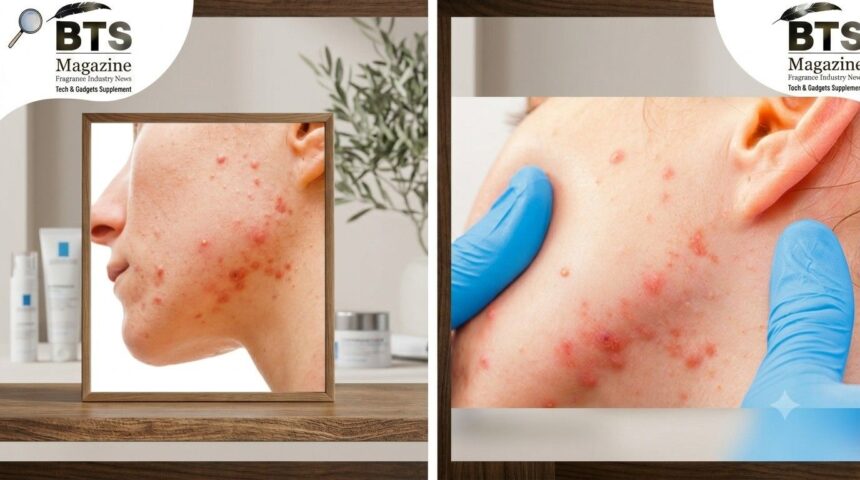
If you’ve been fighting stubborn breakouts and nothing seems to work, seeing a pimples dermatologist might be the smartest move you make. These skin specialists deal with acne every single day, and they know exactly what your skin needs. Here’s the thing—most of us try random products for years before realizing a professional could’ve fixed the problem much faster.
- What Is a Pimples Dermatologist?
- What Does a Dermatologist Do for Pimples?
- Types of Pimples You Might Have
- What Causes Breakouts?
- When Should You See a Dermatologist?
- Acne Treatments a Dermatologist May Recommend
- How a Dermatologist Helps With Acne Scars
- Skincare Tips to Keep Pimples Away
- Mistakes to Avoid With Acne
- Frequently Asked Questions
- 1. How long does it take to see results from a dermatologist?
- 2. Are dermatologist treatments worth the cost?
- 3. Can I use benzoyl peroxide and retinoids together?
- 4. Do pimples go away on their own?
- 5. Is acne only a teenage problem?
- Final Thoughts and Your Next Step
In this guide, you’ll learn what a dermatologist actually does for pimples, why breakouts happen, and the treatments that really work. Let’s get into it.
What Is a Pimples Dermatologist?
A dermatologist is a doctor who specializes in skin, hair, and nail conditions. When people search for a “pimples dermatologist,” they’re usually looking for someone who can treat acne properly.
To be honest, general skincare advice online only goes so far. A skin specialist can look at your face, figure out your acne type, and give you a plan built for you—not a random stranger.
What Does a Dermatologist Do for Pimples?
A pimples dermatologist starts by examining your skin closely. They check how bad the acne is, what kind you have, and what might be triggering it.
From there, they build a treatment plan. This might include creams, medicines, or in-office procedures. What’s interesting is that they also help prevent acne scars, which is something most people forget about until it’s too late.
They also track your progress. If something isn’t working after a few weeks, they adjust the plan instead of leaving you guessing.
Types of Pimples You Might Have
Not all pimples are the same. Knowing your type helps you understand your treatment better.
Whiteheads and Blackheads
These are the mildest kind. Whiteheads are closed clogged pores, while blackheads are open ones that turn dark when exposed to air. Both come from a mix of dead skin and sebum.
Papules and Pustules
Papules are small red bumps that feel tender. Pustules look similar but have pus at the top. These are the classic “pimples” most people picture.
Nodules and Cysts
These are the serious ones. They sit deep under the skin, hurt a lot, and often leave scars. If you get these often, a pimples dermatologist is really your best bet.
What Causes Breakouts?
Acne, also called acne vulgaris, happens when your pores get blocked. But a few things push that along.
- Excess sebum: Your skin makes too much oil, which clogs pores.
- Dead skin cells: These build up and mix with oil.
- Bacteria: Trapped gunk becomes a home for acne-causing bacteria.
- Hormones: Puberty, periods, and stress all play a role.
Here’s the key idea—breakouts aren’t just about being “dirty.” Even people with clean skin get acne. So don’t blame yourself.
When Should You See a Dermatologist?
Sometimes drugstore products are enough. But there are clear signs it’s time to book a visit with a skin specialist.
- Your acne is painful, deep, or leaving marks.
- Over-the-counter products haven’t worked after 6–8 weeks.
- Your breakouts affect your confidence.
- You’re starting to notice acne scars.
If any of these sound familiar, seeing a pimples dermatologist sooner rather than later can save your skin a lot of trouble.
Acne Treatments a Dermatologist May Recommend
This is where a pimples dermatologist really shines. They have access to treatments you can’t just grab off a shelf. Let’s break them down.
Topical Treatments
These are creams and gels you apply directly to your skin.
- Benzoyl peroxide: Kills acne bacteria and clears clogged pores.
- Retinoids: Speed up skin cell turnover and unblock pores.
- Topical antibiotics: Reduce inflammation and bacteria.
Retinoids are a favorite among dermatologists because they help with both pimples and early acne scars.
Oral Medications
For moderate to severe acne, a dermatologist might prescribe pills.
- Oral antibiotics: Fight bacteria from the inside.
- Hormonal pills: Useful for acne tied to hormones.
- Isotretinoin: A strong option for stubborn, cystic acne.
These need proper monitoring, which is exactly why you shouldn’t try them without a skin specialist guiding you.
In-Office Procedures
Sometimes creams and pills aren’t enough. That’s where procedures come in.
- Chemical peels: Remove dead skin and unclog pores.
- Extractions: Safely clear blackheads and whiteheads.
- Laser and light therapy: Target bacteria and reduce oil.
- Steroid injections: Shrink painful cysts fast.
These are done in a clinic and can make a big difference for tough cases.
How a Dermatologist Helps With Acne Scars
Pimples fade, but scars can stick around. A pimples dermatologist has real tools to fix them.
They might use microneedling, laser resurfacing, or chemical peels to smooth your skin. Early treatment matters here, so don’t wait too long if scarring worries you.
Skincare Tips to Keep Pimples Away
Treatment works better when you take care of your skin daily. Here’s a simple routine that helps.
- Wash gently twice a day. Harsh scrubbing makes things worse.
- Use non-comedogenic products. These won’t clog your pores.
- Don’t pick at pimples. It spreads bacteria and causes scars.
- Moisturize. Even oily skin needs hydration.
- Wear sunscreen. It protects healing skin and prevents dark marks.
Quick recap: keep it simple, stay consistent, and let your treatments do their job.
Mistakes to Avoid With Acne
A lot of people accidentally make their breakouts worse. Watch out for these common slip-ups.
- Switching products too often before they get a chance to work.
- Over-washing, which strips your skin and boosts sebum.
- Using too many strong products at once.
- Ignoring your neck, chest, and back, where acne also shows up.
Avoiding these mistakes makes your dermatologist’s plan far more effective.
Frequently Asked Questions
1. How long does it take to see results from a dermatologist?
Most acne treatments take 6–12 weeks to show clear results. Skin needs time to heal, so patience really pays off here.
2. Are dermatologist treatments worth the cost?
For many people, yes. A pimples dermatologist gives you a plan that actually works, which often saves money you’d waste on random products.
3. Can I use benzoyl peroxide and retinoids together?
You can, but timing matters. A skin specialist will usually tell you to use one in the morning and the other at night to avoid irritation.
4. Do pimples go away on their own?
Mild breakouts sometimes clear up naturally. But deeper acne and cysts usually need help to prevent scarring.
5. Is acne only a teenage problem?
Not at all. Plenty of adults deal with acne vulgaris well into their 30s and 40s, often due to hormones or stress.
Final Thoughts and Your Next Step
Dealing with breakouts is frustrating, but you don’t have to figure it out alone. A pimples dermatologist can pinpoint what’s really going on and give you treatments that clear your skin for good. The sooner you act, the easier it is to avoid lasting acne scars.
If your pimples keep coming back, start by booking a consultation with a skin specialist near you. And if you want to understand the condition a little deeper first, this detailed overview of acne on Wikipedia is a great, easy read to get you started.
Continue reading: Jared Wakeford Fitness Transformation: How a London Software Developer Cut His Body Fat in Half