

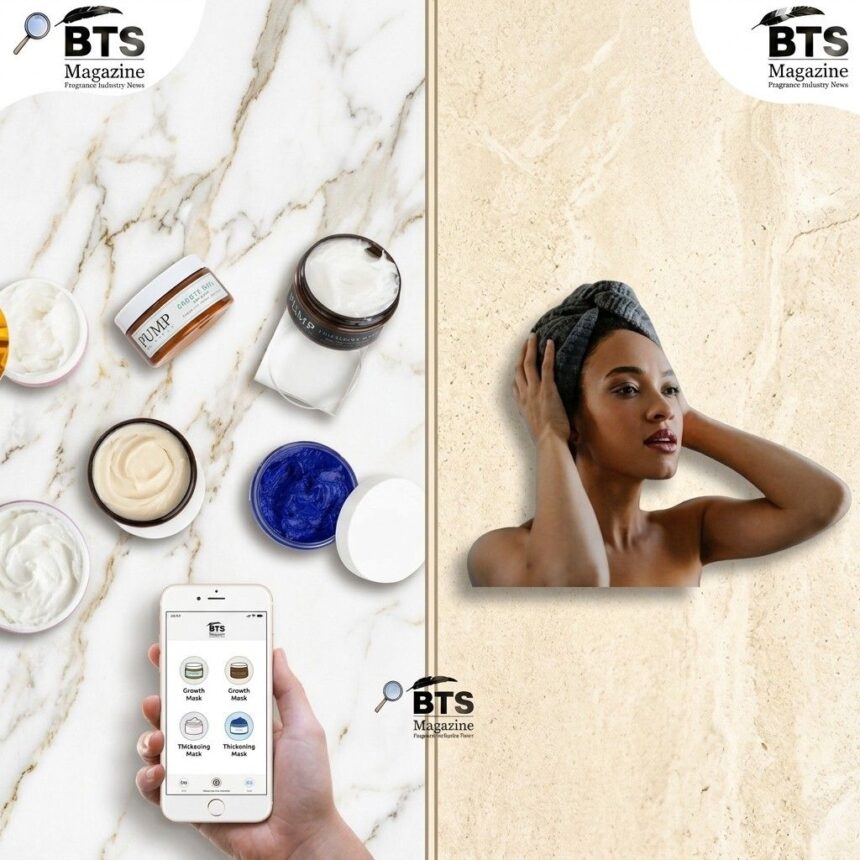
A good Hair Mask 101 can honestly feel like a mini spa day for your hair. If your strands are dry, frizzy, or just plain tired, a hair mask is one of the easiest ways to bring them back to life. It’s deeper than a regular conditioner, and the results tend to show faster than you’d think.
- What Is a Hair Mask, Exactly?
- Types of Hair Masks
- Benefits of Using a Hair Mask
- How to Use a Hair Mask the Right Way
- Step 1: Start With Clean Hair
- Step 2: Squeeze Out Extra Water
- Step 3: Apply From Mid-Length to Ends
- Step 4: Let It Sit
- Step 5: Rinse Well
- How Often Should You Use One?
- DIY Hair Mask Options at Home
- Ingredients to Look For
- Common Hair Mask Mistakes to Avoid
- Applying to the Scalp When You Shouldn’t
- Leaving It On Too Long
- Using It on Dirty Hair
- Rinsing With Hot Water
- Who Should Use a Hair Mask?
- Frequently Asked Questions
- 1. Can I use a hair mask every day?
- 2. Should I use a hair mask before or after shampoo?
- 3. Do I still need conditioner if I use a hair mask?
- 4. How long should I leave a hair mask on?
- 5. Can a hair mask fix split ends?
- Final Thoughts
Here’s the thing, though. A lot of people use hair masks the wrong way or skip them entirely because they seem “extra.” So let’s break it all down in plain English.
What Is a Hair Mask, Exactly?
A hair mask is a thick, nourishing treatment you apply to your hair, usually after shampooing. It sits on your strands longer than conditioner does, which gives the ingredients more time to soak in.
Think of it like a heavy-duty moisturizer for your hair. While a normal conditioner does a quick job, a hair mask goes deeper and repairs.
How It’s Different From Conditioner
Conditioner is your everyday helper. You rinse it out after a minute or two.
A hair mask, on the other hand, is more of a weekly treat. It’s richer, thicker, and stays on for 5 to 20 minutes depending on the product.
Types of Hair Masks
Not every hair mask does the same job. What’s interesting is that they’re often designed for very specific hair problems.
Moisturizing Masks
These are made for dry, brittle hair. They pack in hydration and leave your hair feeling soft and smooth.
Repairing Masks
If you color your hair or use heat tools a lot, a repairing hair mask helps patch up the damage. They usually contain proteins that strengthen weak strands.
Volumizing Masks
Got flat, thin hair? A lightweight volumizing mask adds body without weighing everything down.
Scalp-Focused Masks
Some masks target the scalp instead of just the strands. These help with dryness, buildup, or an itchy scalp.
Benefits of Using a Hair Mask
To be honest, once you start using a hair mask regularly, it’s hard to stop. The perks are real.
- Deep hydration for dry, thirsty hair
- Less frizz and more smoothness
- Stronger strands that break less
- Softer texture you can actually feel
- Better shine without any greasy weight
A hair mask won’t fix everything overnight, but with steady use, your hair looks and feels healthier.
How to Use a Hair Mask the Right Way
This is where most people trip up. Using a hair mask isn’t complicated, but a few small steps make a big difference.
Step 1: Start With Clean Hair
Wash your hair with shampoo first. A hair mask works best on clean strands where it can actually absorb.
Step 2: Squeeze Out Extra Water
Your hair should be damp, not dripping. Too much water waters down the mask.
Step 3: Apply From Mid-Length to Ends
Skip the roots unless it’s a scalp mask. The ends need the most love since they’re the oldest and driest part.
Step 4: Let It Sit
Leave it on for the time listed on the product, usually 5 to 15 minutes. Don’t rush this part.
Step 5: Rinse Well
Rinse with cool or lukewarm water. Cool water helps seal the hair and lock in shine.
How Often Should You Use One?
For most people, once a week is enough. If your hair is really dry or damaged, twice a week works too.
Here’s the thing, using a hair mask too often can actually make fine hair feel heavy. So listen to your hair and adjust.
DIY Hair Mask Options at Home
You don’t always need to buy something fancy. Some of the best hair mask ingredients are already in your kitchen.
Banana and Honey Mask
Mash a ripe banana with a spoon of honey. This combo adds softness and a little shine.
Avocado Mask
Avocado is full of healthy fats. Mash half an avocado and apply it for a deep moisture boost.
Yogurt Mask
Plain yogurt can smooth the hair and calm an itchy scalp. Just apply, wait, and rinse.
A quick heads-up: DIY masks won’t replace strong salon treatments, but they’re gentle, cheap, and worth a try.
Ingredients to Look For
When you’re shopping for a hair mask, the label matters more than the price tag.
- Argan oil for shine and softness
- Shea butter for deep moisture
- Keratin for strength and repair
- Coconut oil for dry, damaged ends
- Aloe vera for a soothing scalp
Try to skip masks loaded with heavy silicones if you want a lighter feel. What works for one person’s hair might not work for yours, so a little trial and error is normal.
Common Hair Mask Mistakes to Avoid
Even a great hair mask can flop if you use it wrong. Here are the slip-ups I see all the time.
Applying to the Scalp When You Shouldn’t
Most masks are meant for lengths and ends. Putting them on your scalp can leave it greasy fast.
Leaving It On Too Long
More time doesn’t mean better results. Once the ingredients soak in, extra minutes don’t add much.
Using It on Dirty Hair
Buildup and oil block the mask from working. Always start clean.
Rinsing With Hot Water
Hot water can strip moisture right back out. Keep it cool.
Who Should Use a Hair Mask?
Honestly, almost anyone can benefit. But a hair mask is especially helpful if you:
- Color or bleach your hair
- Use heat tools often
- Live in a dry or humid climate
- Have naturally curly or coarse hair
- Just want softer, healthier-looking strands
Frequently Asked Questions
1. Can I use a hair mask every day?
It’s not recommended for most people. Daily use can leave your hair feeling heavy or greasy. Once or twice a week is usually plenty.
2. Should I use a hair mask before or after shampoo?
After. Shampoo first to clean your hair, then apply the hair mask so it absorbs properly.
3. Do I still need conditioner if I use a hair mask?
On mask days, you can usually skip your regular conditioner since the mask does a similar but deeper job.
4. How long should I leave a hair mask on?
Follow the product instructions, but most work well in 5 to 15 minutes. Longer isn’t always better.
5. Can a hair mask fix split ends?
Not really. A hair mask can smooth and hide the look of split ends, but the only real fix is a trim.
Final Thoughts
A hair mask is one of those small habits that pays off big over time. Whether you grab a store-bought one or whip up a DIY version at home, your hair will thank you for the extra care. Start slow, pay attention to how your strands respond, and adjust as you go.
If you want to understand the science behind these treatments a bit more, this Wikipedia page on hair conditioners, which also covers hair masks, is a solid place to keep reading.
Continue reading: Stan Colleen: The Story Behind One of Football’s Most Talked-About Names