

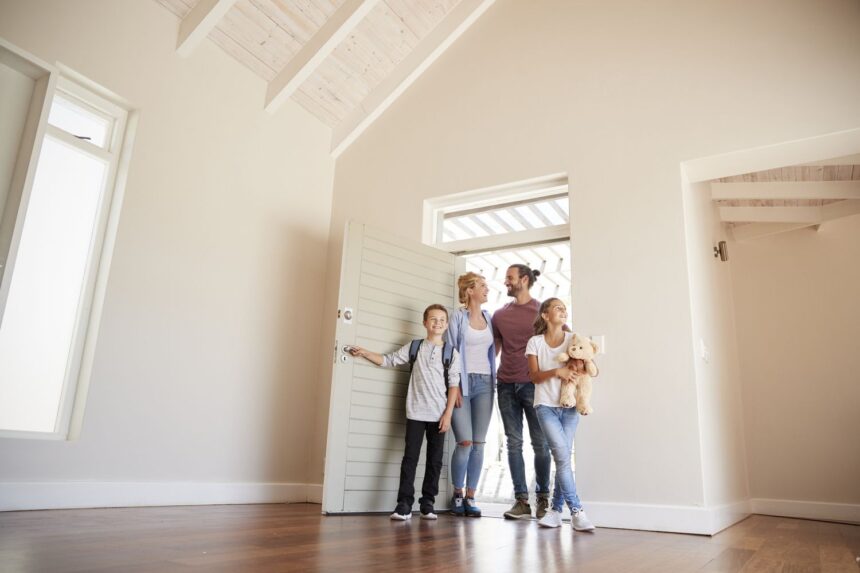
Open houses are often the very first step many of us take when we decide it is time to buy a new home. You see a sign on the corner, follow the arrows, and suddenly you are walking through someone else’s living room. It is a unique experience that blends excitement with a bit of awkwardness.
Whether you are actively house hunting or just browsing the neighborhood, these events offer a zero-pressure way to see what is on the real estate market.
But for sellers, they represent something entirely different. They are a massive marketing effort designed to get as many eyes on a property as possible in a short amount of time.
If you are planning to buy or sell a property soon, understanding how this process works is absolutely essential. Let’s break down exactly what you need to know.
Introduction to the Public Showing Process
Here’s the thing about inviting the public into a property for sale: it is a numbers game. Real estate agents know that the more foot traffic they can generate, the higher the chances of finding the right buyer.
An agent will typically host these events on a Saturday or Sunday afternoon. They open the doors, set out some informational flyers, and wait for prospective buyers to walk in.
For buyers, it is a fantastic opportunity. You do not need an appointment. You do not even need a real estate agent yet. You can simply walk in and look around.
You can check room sizes, see the layout in person, and get a feel for the neighborhood without making any formal commitments.
The Background: Why Do We Have Open Houses?
The tradition of opening a home to the public dates back decades. Before the internet existed, buyers had very few ways to see what a home looked like inside.
They relied on tiny black-and-white newspaper ads or had to wait for their real estate broker to schedule a private tour. Agents started hosting public viewings as a practical way to market properties to the masses.
It was a brilliant strategy. Neighbors would stop by, tell their friends, and word-of-mouth marketing would take over.
How They Changed Over Time
While the core concept remains the same, the execution has shifted dramatically. In the past, agents relied entirely on balloons and yard signs to grab attention.
Today, marketing a property starts weeks before the doors actually open.
Agents use targeted social media ads and email blasts to attract a highly specific audience.
The Digital Era Impact
What’s interesting is how the internet changed the role of these events rather than replacing them.
You might think that with high-definition video tours, 3D walkthroughs, and endless online photos, people would stop visiting in person.
Instead, digital tools actually drive more traffic. Buyers see a home online, fall in love with the pictures, and use the weekend public viewing as a way to verify what they saw on their screen.
Key Facts Every Seller Should Know
To be honest, preparing your home for the public is incredibly stressful. You are basically setting a stage for dozens of critical strangers.
If you want your property to sell for top dollar, you have to put in the work beforehand.
Buyers will open your closets, look under your sinks, and judge your furniture.
The Preparation Phase
First impressions matter more than almost anything else. Curb appeal is what gets people out of their cars and through the front door.
Inside, decluttering is your biggest priority. Remove personal items, family photos, and anything that makes the space feel cluttered.
Many successful sellers hire professional stagers to arrange furniture in a way that maximizes space and flow. It sounds like an unnecessary expense, but staged homes consistently sell faster.
Security and Privacy Concerns
When you host open houses, you are letting strangers wander through your personal sanctuary. This comes with genuine security risks.
Sellers must be proactive. Hide all your valuables, including jewelry, small electronics, and mail that might contain personal information.
Do not forget to lock up prescription medications. While your listing agent will keep an eye on things, they cannot be in every room at once.
Key Details Every Buyer Should Pay Attention To
It is easy to walk into a beautifully staged home and get swept up in the emotion of it all. The fresh cookies smell amazing, the lighting is perfect, and the music is relaxing.
But as a buyer, you need to look past the surface-level charm.
You are making one of the biggest financial investments of your life, so you need to be observant.
Beyond the Fresh Paint
Do not just look at the shiny new appliances. Check the bones of the house.
Look at the ceiling for water stains. Open the windows to see if they stick. Turn on the faucets to check the water pressure.
Take a close look at the HVAC unit, the water heater, and the roof if you can see it. These are big-ticket items that cost a fortune to replace.
Neighborhood Context
The property itself is only half of the equation. You are also buying into a neighborhood.
Pay attention to the street traffic outside. Is it a quiet cul-de-sac or a busy cut-through street?
Look at the neighboring properties. Are they well-maintained? Your home’s future value depends heavily on the condition of the surrounding houses.
Public Viewings vs. Private Showings
There is an ongoing debate in the real estate world about the effectiveness of public events compared to private, scheduled tours.
Both serve a purpose, but they attract very different types of buyers.
Understanding this difference is crucial for both sides of the transaction.
Pros of Public Events
The biggest advantage is the sheer volume of traffic. You get a mix of serious buyers, curious neighbors, and people who are just starting their home search.
Sometimes, a nosy neighbor is your best marketing tool. They might know someone looking to move into the area and immediately call them about your property.
It also creates a sense of urgency. If a buyer sees ten other people walking through the house, they are more likely to make a competitive offer quickly.
The Private Tour Advantage
Private showings, on the other hand, usually involve pre-approved buyers who are highly motivated.
They have already reviewed the listing details with their buyer’s agent and decided the home meets their strict criteria.
While you get less foot traffic with private tours, the quality of the prospective buyer is typically much higher.
Related Context: The Current Real Estate Market
The success of any marketing strategy depends heavily on the current economic climate.
Real estate is a living, breathing market that shifts based on inventory, interest rates, and consumer confidence.
Understanding where the market sits right now helps set realistic expectations.
Buyer’s Market vs. Seller’s Market Dynamics
In a hot seller’s market with low inventory, a weekend viewing can feel like a chaotic concert.
You will see lines wrapping around the block, and the property might receive multiple offers above the asking price by Sunday night.
In a buyer’s market, things are much quieter. Agents have to work harder to get people through the door, offering incentives and aggressive pricing to spark interest.
Interest Rates and Attendance
Mortgage rates play a massive role in who shows up on a Sunday afternoon.
When rates drop, affordability increases. Suddenly, a flood of first-time homebuyers enters the market, driving up attendance at open houses across the city.
When rates spike, casual browsers tend to stay home, leaving only the most serious and financially prepared buyers in the market.
Continue reading: What Is Advantia Health? A Complete Guide to Women’s Healthcare