
Computer vision roi retail is the exact metric every modern store operator needs to focus on right now. It measures the real financial return you get after installing smart camera systems in your physical locations.
Tracking this metric helps you see if those shiny new tech upgrades are actually making you money.
You might have heard about smart cameras automatically spotting empty shelves or catching shoplifters. But without measuring the return on investment, it is just expensive tech.
Here’s the thing: upgrading a store requires serious capital. You need to know that every dollar spent on smart cameras comes back multiplied.
Let us explore the actual background, the key facts, and the overview of how this technology pays for itself.
The Basics: What Are We Talking About?
Computer vision basically gives your store cameras a brain. They do not just record video anymore.
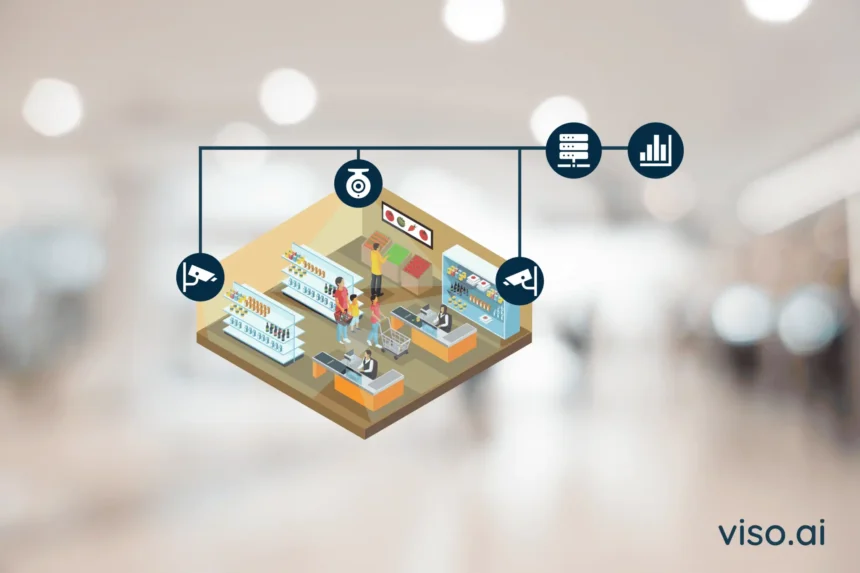
These smart systems analyze what they see in real time. They recognize products, track movements, and alert your staff when something needs attention.
When we talk about computer vision roi retail, we are looking at the cash saved versus the cost of the software.
The Background of Retail Technology
Physical stores have always used cameras. For decades, standard CCTV setups were just a tool for security guards to review after a crime happened.
Eventually, operators realized they had hundreds of hours of video data doing absolutely nothing.
To be honest, standard video recording was a huge missed opportunity.
Tech companies started training software to recognize specific objects. They taught computers what a cereal box looks like, and what a person hiding a bottle in their coat looks like.
Breaking Down the Overview of Visual Tech
Today, this technology has matured. It is no longer an experimental project for massive supermarkets.
Smaller chains and independent operators are finding high computer vision roi retail values.
The initial setup costs have dropped significantly. You often do not even need to rip out your old cameras.
Many modern platforms just connect directly to your existing security camera feeds.
Why Stores Are Upgrading Now
The main reason for this massive shift is margin pressure. Physical stores operate on incredibly thin profit margins.
Every stolen item or misplaced product directly hurts the bottom line.
Smart cameras act like an always-awake employee. They monitor every aisle simultaneously without taking a break.
Key Facts on Loss Prevention
Loss prevention is usually the fastest way to see a positive return.
Retail shrinkage costs the industry billions of dollars every single year. It is a massive problem that cuts deeply into profits.
When you install intelligent camera systems, they spot suspicious behavior instantly.
Stopping Shrinkage Before It Happens
The system notices if someone sweeps multiple expensive items into a personal bag.
It then sends a silent alert to a manager’s phone. Staff can approach the shopper offering “customer service,” which usually prevents the theft.
This proactive approach stops the loss before the person ever reaches the exit.
Self-Checkout Monitoring
Self-checkout is a huge area for shrinkage. Shoppers sometimes scan a cheap item while dropping an expensive one into their bag.
Smart cameras look from above and compare the visual item to the barcode scanned.
If a shopper holds a premium steak but scans a barcode for cheap onions, the system pauses the transaction.
This specific feature drives massive computer vision roi retail because self-checkout theft is so common.
Mastering Inventory Management
Having items out of stock is a silent killer for physical stores.
If a customer walks in to buy a specific shampoo and the shelf is empty, they leave. You lose that sale forever.
Smart cameras constantly scan the shelves to monitor stock levels.
Real-Time Shelf Tracking
You do not have to wait for an employee to walk down the aisle with a clipboard.
The software knows exactly what products belong in which spaces.
What’s interesting is that the cameras can even tell if a product is just pushed too far back on the shelf.
Out-of-Stock Alerts
When a popular item runs low, the system alerts the stockroom team.
They can bring out a new box before the shelf goes completely empty.
Keeping shelves fully stocked at all times creates a massive boost in daily revenue.
This directly improves your computer vision roi retail by saving sales that would otherwise be lost.
Understanding Heat Mapping and Store Layouts
Knowing how customers move through your space is incredibly valuable data.
In the past, managers just had to guess which end-cap displays worked best.
Now, cameras generate detailed heat maps of customer foot traffic.
Tracking Shopper Flow
You can see exactly where people stop, where they browse, and where they walk fast.
If a high-traffic area is filled with low-margin items, you can change the layout.
Moving high-profit items into the busy “hot zones” instantly increases your average ticket size.
Optimizing Staff Placement
Heat maps also show you when certain areas get crowded.
If the deli counter gets swamped every day at noon, the cameras prove it with hard data.
You can then schedule your staff perfectly to match the busy periods, improving customer service and saving labor costs during slow hours.
Related Context: The Cost vs. Value Debate
The initial price tag of this software can seem high to some operators.
You have to pay for the software licenses, cloud storage, and sometimes network upgrades.
However, you must weigh these costs against the massive savings from reduced theft.
Add in the extra revenue from perfectly stocked shelves and better store layouts.
When you do the math, the computer vision roi retail is usually positive within the first eight to twelve months.
If you run a physical location, ignoring this technology means leaving money on the table.
Continue reading: A Guide to Celebration of Life Funeral Home Obituaries