
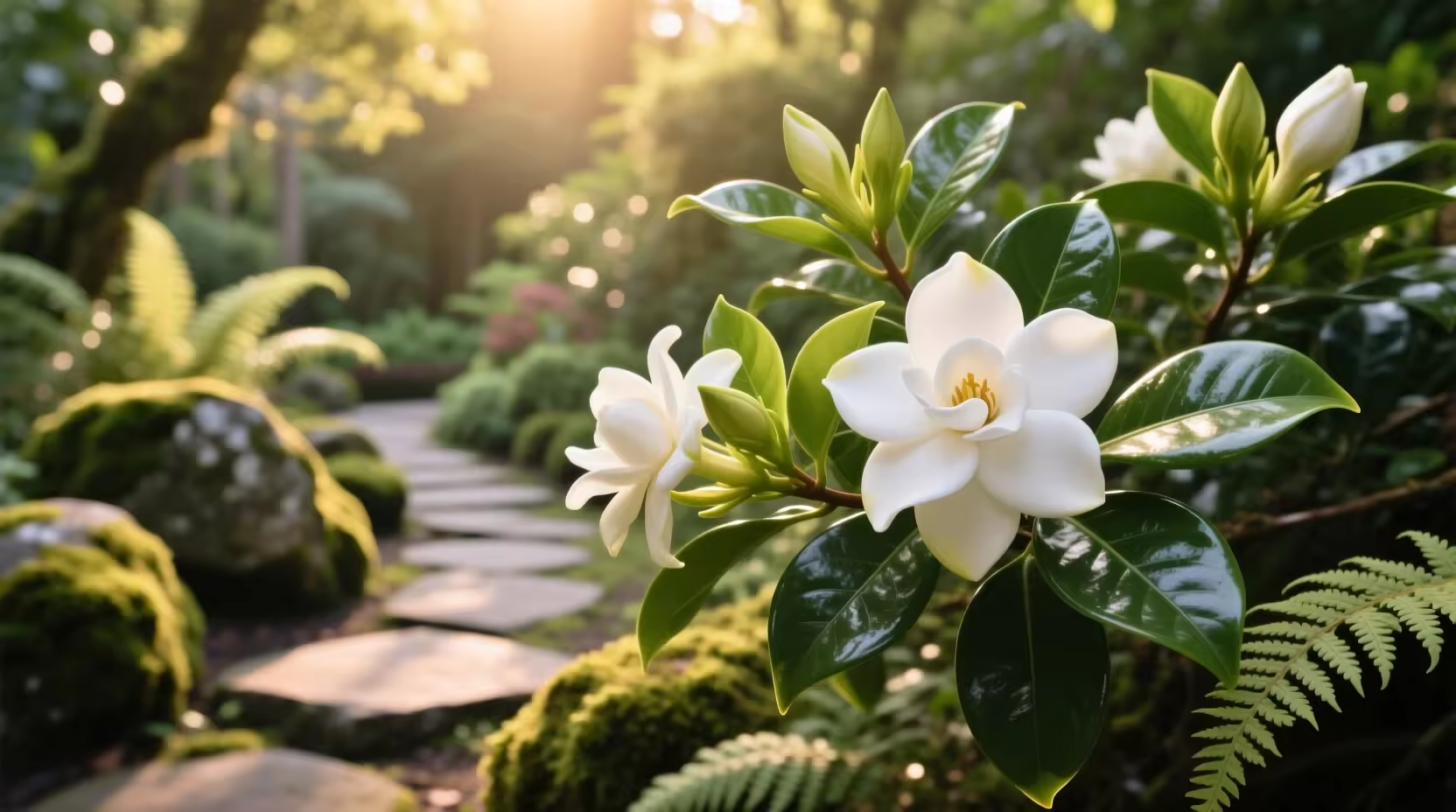
august beauty gardenia is one of those plants that makes people stop mid-walk and ask, “What is that smell?” The flowers are creamy white, the leaves look polished, and when it’s happy, it can make a whole yard feel richer and calmer. But here’s the honest part: it isn’t a plant you toss in the ground and forget.
- What Is August Beauty Gardenia?
- Why This Variety Gets So Much Attention
- Botanical Info Table
- How august beauty gardenia Looks in a Yard
- The Best Growing Zones
- Light Matters More Than People Think
- Soil Can Make or Break This Plant
- How to Plant It the Right Way
- Watering Without Overdoing It
- Feeding and Fertilizer Tips
- Why Mulch Helps So Much
- Bloom Season and What to Expect
- Why It Sometimes Has Fewer Flowers
- Pruning Without Regret
- Growing It in Containers
- Common Problems You Might Run Into
- Pests That Bother Gardenias
- Disease and Root Trouble
- Good Companion Plants
- Seasonal Care Through the Year
- Is august beauty gardenia Hard to Grow?
- Quick Care Summary
I’ve found that gardenias reward attention. Not constant fussing. Just the right kind of care. Give this shrub decent light, acidic soil, steady moisture, and a bit of patience, and it can be stunning. Ignore those basics, and it tends to complain fast.
This guide breaks it all down in plain English. What it is. What it needs. Why it sometimes drops buds or turns yellow for no obvious reason. And how to keep it looking healthy without making the process feel harder than it has to be.
What Is August Beauty Gardenia?
August Beauty is a cultivar of Gardenia jasminoides, a flowering evergreen shrub often called cape jasmine. It’s grown mostly for two things: glossy dark green leaves and fragrant double white blooms.
That scent is the big selling point.
It’s rich, sweet, and easy to notice, especially in warm air near a porch, walkway, or patio. Some plants look nice from a distance. Gardenias do that, but they also pull you closer.
Why This Variety Gets So Much Attention
There are lots of gardenias out there, but this one stays popular for a reason.
It has a full, rounded shape. The flowers are showy. The foliage looks good even when the plant isn’t blooming. In warmer regions, it can hold that evergreen look all year, which gives it real value in the landscape.
In my experience, people often buy it for the flowers and then end up loving it just as much for the leaves.
Botanical Info Table
| Feature | Details |
|---|---|
| Common name | August Beauty gardenia |
| Botanical name | Gardenia jasminoides ‘August Beauty’ |
| Plant type | Evergreen flowering shrub |
| Family | Rubiaceae |
| Mature height | About 4 to 6 feet, sometimes larger in ideal conditions |
| Mature width | About 4 to 6 feet |
| Flower color | White to creamy white |
| Fragrance | Strong, sweet scent |
| Bloom season | Late spring through summer, sometimes longer in good conditions |
| Sun needs | Morning sun to partial sun |
| Soil needs | Acidic, rich, well-drained soil |
| USDA zones | Generally 7 to 10 |
| Growth habit | Dense, rounded shrub |
How august beauty gardenia Looks in a Yard
This shrub has presence. The leaves are thick, deep green, and shiny enough to look almost artificial from far away. Then the flowers open and soften the whole look.
What’s interesting is how well it works in different spots. Near a front door. Along a path. In a foundation bed. In a pot on a patio if your winters are too cold.
It’s not a wild-looking plant. It feels neat and classic.
The Best Growing Zones
august beauty gardenia is usually grown in USDA zones 7 through 10. It likes warmth and humidity more than cold, dry weather.
If you’re in zone 7, winter can be tricky some years. In zone 8 and warmer, it tends to be more comfortable. That doesn’t mean it’s carefree. Just more likely to settle in without a fight.
If you live farther north, container growing may be the smarter move.
Light Matters More Than People Think
Morning Sun Is Usually Best
Gardenias want good light, but they don’t always enjoy harsh afternoon heat. Morning sun with some shade later in the day is often the sweet spot.
Too little light, and blooming may be weak.
Too much direct, intense afternoon sun, especially in hot southern areas, can scorch leaves and stress the plant.
Too Much Shade Causes Problems
I’ve seen people tuck gardenias into dark corners because they think “shade plant” means deep shade. It doesn’t. Not really.
If the plant is alive but barely flowering, light is one of the first things to check.
Soil Can Make or Break This Plant
Acidic Soil Is a Must
This is where many gardenia problems begin.
Gardenias prefer acidic soil, usually around a pH of 5.0 to 6.5. If your soil is too alkaline, the plant may struggle to absorb nutrients, even if those nutrients are technically present.
That often leads to yellow leaves. Weak growth. Fewer flowers.
Drainage Has to Be Good
Wet roots are bad news. Fast.
The soil should stay moist but never soggy for long stretches. Rich soil with organic matter works well, especially if it drains cleanly after rain. Heavy clay can be a challenge unless you amend it or plant in a raised area.
How to Plant It the Right Way
Dig a hole wider than the root ball, but not much deeper. That part gets overlooked all the time. If the plant sinks too low, water can collect around the base and lead to trouble.
Set the top of the root ball slightly above soil level. Backfill gently. Water it in well.
Then mulch around the root area, but don’t pile mulch against the main stem. That little mistake can cause rot and stress.
Watering Without Overdoing It
Keep Moisture Steady
august beauty gardenia likes even moisture. Not swampy soil. Not bone-dry soil either.
That middle ground matters more than people expect.
New plants need regular watering while they establish. Older shrubs still need help during hot spells, especially if they’re planted in a spot that dries out fast.
Inconsistent Watering Can Trigger Bud Drop
Here’s the thing: gardenias hate extremes.
If the soil stays dry too long and then suddenly gets drenched, buds may drop before they open. Leaves may yellow. The plant starts acting dramatic. Sometimes it is dramatic. But usually it’s reacting to stress.
I’ve found that a deep, steady watering routine works better than random quick sprays.
Feeding and Fertilizer Tips
Gardenias do best with fertilizer made for acid-loving plants. Products labeled for azaleas, camellias, or gardenias are usually a safe place to start.
Feed during active growth, mostly in spring and summer, following the label directions. Don’t keep pushing fertilizer late into the season when the plant should be slowing down.
If the leaves turn pale yellow between the veins, soil pH may be off, or the plant may be struggling to access iron.
Why Mulch Helps So Much
Mulch does more than make the bed look tidy.
It helps hold moisture. It softens temperature swings around the roots. It slowly improves the soil as it breaks down. Pine bark, pine straw, and other natural mulches tend to work well around gardenias.
A 2- to 3-inch layer is usually enough.
Just leave breathing room around the stem.
Bloom Season and What to Expect
August Beauty is known for blooming from late spring into summer. In good conditions, it may keep flowering beyond the main flush.
Not every plant blooms the same way every year, though.
Weather matters. Light matters. Pruning matters. Plant age matters too. A newly planted shrub may need time before it really shows off.
Why It Sometimes Has Fewer Flowers
Low Light Is a Common Cause
A healthy-looking shrub with lots of leaves and few blooms often needs more light.
That’s a very common issue.
Too Much Nitrogen Can Shift Growth
If fertilizer pushes lots of leafy growth, flowers may take a back seat. The plant gets big and green but not especially exciting.
Bad Timing With Pruning
If you prune at the wrong time, you may cut off flower buds before they ever get a chance.
That one hurts.
Pruning Without Regret
Prune After Flowering
The best time to shape august beauty gardenia is usually right after the main bloom period ends. That gives it time to recover and set future buds.
Keep the pruning light unless the plant really needs repair.
Cut out dead wood, crossing branches, or growth that ruins the shape.
Avoid Late-Season Heavy Cuts
Late pruning is a common reason people lose next year’s flowers. The shrub may look neat afterward, but the bloom count can drop hard.
I learned that lesson the annoying way years ago with another gardenia. It recovered. My patience barely did.
Growing It in Containers
This plant can do well in a pot, and for colder climates, that may be the best option.
Use a container with drainage holes. Fill it with a loose, rich mix suited for acid-loving plants. Don’t let the pot sit in standing water. Ever.
Potted gardenias dry out faster than those in the ground, so they usually need closer watching. But the trade-off is control. You can move them to a sheltered spot when weather turns rough.
Common Problems You Might Run Into
Yellow Leaves
This is probably the complaint I hear most.
Yellow leaves can be caused by poor drainage, overwatering, underwatering, alkaline soil, or nutrient trouble. That’s why it helps to check the basics before throwing fertilizer at the problem.
Bud Drop
Buds falling off before opening usually point to stress. Sudden temperature changes, dry soil, soggy soil, low humidity, or just a recent move can do it.
Gardenias don’t love change.
Leaf Burn
Hot sun plus dry conditions can scorch the edges or surfaces of leaves. If that’s happening, the plant may need gentler light in the afternoon.
Pests That Bother Gardenias
The Usual Suspects
aphids, whiteflies, spider mites, scale, and mealybugs can all show up on gardenias. Some suck sap. Some leave sticky residue behind. Some do both.
If leaves look spotted, sticky, faded, or dusty for no clear reason, inspect the undersides and stems closely.
Start With Simple Solutions
You don’t always need the strongest product on the shelf.
A firm spray of water can help with minor pest issues. Insecticidal soap or horticultural oil can also work if used correctly. Timing matters, especially in hot weather, because some treatments can damage leaves if applied when temperatures are high.
Disease and Root Trouble
Root rot is the big one. It usually starts when the soil stays too wet for too long.
That’s why drainage matters so much with august beauty gardenia. A struggling plant in soggy soil rarely improves just because you fed it.
Sooty mold can also appear on sticky residue left by sap-sucking insects. It looks ugly, but the real issue is usually the pest causing it.
Good Companion Plants
Gardenias pair nicely with other acid-loving plants. Azaleas, camellias, and some hydrangeas are common choices, depending on your climate and soil.
You can also place them near seating areas, entry paths, or windows that open in warm weather. That’s honestly one of the smartest design choices. This plant has a scent worth placing on purpose.
Seasonal Care Through the Year
Spring
Check for winter damage. Feed if needed. Refresh mulch. Watch for fresh growth and buds.
Summer
Water steadily. Enjoy the blooms. Keep an eye out for insects and leaf stress during heat waves.
Fall
Ease off fertilizer. Clean up around the plant. In cooler regions, start planning winter protection.
Winter
Protect it from hard freezes if your area gets them. Container plants may need to move indoors or into a sheltered space.
Is august beauty gardenia Hard to Grow?
Yes and no.
If your climate fits, your soil is acidic, and your drainage is decent, it’s manageable. Not effortless. Manageable. If your soil is alkaline and your winters are rough, it can be a bit of a project.
Still, plenty of gardeners grow august beauty gardenia successfully once they understand what it wants. The plant has a reputation for being fussy, and sometimes that’s fair. But a lot of its so-called fussiness comes from being planted in the wrong place.
Quick Care Summary
Best Light
Bright light with morning sun and some afternoon protection in hot areas.
Best Soil
Acidic, rich, well-drained soil.
Best Watering Style
Deep and even, without letting the roots sit wet.
Best Pruning Time
Right after flowering.
Biggest Mistake to Avoid
Ignoring soil pH and drainage.
Continue reading: Meta Title: Royal Funeral: History, Traditions, and Meaning