

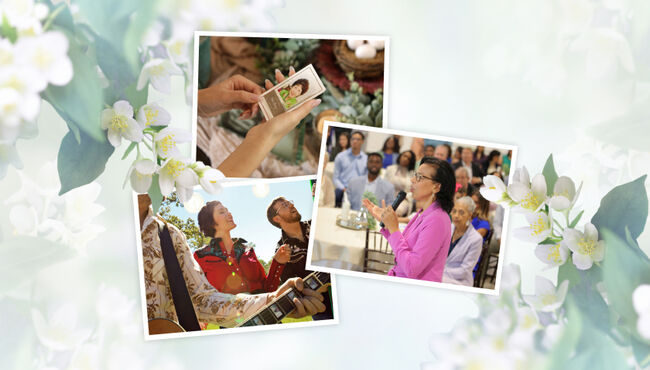
celebration of life is a phrase many people hear when a family wants something different from a traditional funeral. It usually means a gathering that focuses more on the person’s story, personality, and good memories than on formal rituals alone.
- What Is a Celebration of Life?
- Why People Choose a Celebration of Life
- Celebration of Life vs Funeral
- When a Celebration of Life Usually Takes Place
- Where You Can Hold a Celebration of Life
- What Happens at a Celebration of Life
- Key Facts to Know Before Planning One
- How to Plan a Celebration of Life Step by Step
- Choose the Main Purpose
- Pick a Time and Place
- Decide on the Tone
- Invite the Right People
- Build a Simple Order of Events
- Ideas That Make the Event Feel Personal
- Favorite Foods and Drinks
- Memory Cards or Guest Notes
- Charity or Cause-Based Giving
- Dress Code That Fits the Person
- Emotional Side of a Celebration of Life
- Common Mistakes to Avoid
- Related Context: How Culture and Family Traditions Shape the Event
- Who Usually Leads the Service?
- Final Thoughts on Celebration of Life
- FAQs About Celebration of Life
Here’s the thing: there is no single rule for what this kind of event has to look like. Some are quiet and simple. Others feel warm, bright, even joyful. The purpose is still the same. People come together to remember someone, support each other, and honor a life that mattered.
If you are trying to understand what a celebration of life is, how it compares to a funeral, or how to plan one, this guide will walk you through it in plain English.
What Is a Celebration of Life?
A celebration of life is a memorial-style event held to honor a person who has died. The focus is often on the person’s character, values, relationships, hobbies, and the impact they had on others.
Unlike some traditional services, it does not always follow a fixed religious or cultural format. It can be formal, casual, spiritual, secular, or a mix of several styles.
To be honest, that flexibility is one reason many families choose it. It gives them room to create something that feels personal instead of scripted.
Why People Choose a Celebration of Life
Families choose this kind of service for many reasons. Sometimes the person who died asked for something lighter or more personal. Sometimes the family wants time to plan after a burial or cremation has already taken place.
What’s interesting is that many people find the tone more comforting. Instead of focusing only on loss, the event can also make space for gratitude, laughter, music, and shared stories.
That does not mean it ignores grief. It simply holds grief and remembrance together.
Celebration of Life vs Funeral
A lot of people search this topic because they want to know the difference. That makes sense. The terms are often used together, and sometimes they overlap.
Traditional Funeral Basics
A traditional funeral often happens soon after death. It may include a viewing, religious service, burial, or cremation. The format is usually more structured.
In many cases, it takes place in a funeral home, house of worship, or cemetery chapel.
How a Celebration of Life Is Different
A celebration of life usually offers more freedom in timing, tone, and location. It may happen days, weeks, or even months later.
It can be held in a backyard, community hall, beach, park, family home, or any place that meant something to the person.
Can You Have Both?
Yes, absolutely.
Some families have a traditional funeral first and then hold a celebration of life later. Others skip the formal funeral and only hold a memorial gathering. There is no universal rule that says you must choose one or the other.
When a Celebration of Life Usually Takes Place
Timing depends on the family, culture, budget, travel needs, and emotional readiness. Some events happen within a week. Others are planned much later so more people can attend.
This can help reduce stress. It also gives loved ones more time to gather photos, write tributes, and make thoughtful decisions.
Common Reasons for Delaying the Event
People often wait because relatives need to travel, a venue is not available right away, or the family wants a less rushed process.
In some cases, the gathering is tied to a meaningful date, like a birthday, anniversary, or favorite holiday season.
Where You Can Hold a Celebration of Life
The location often says a lot about the person being remembered. That is one reason families spend time thinking about the setting.
Indoor Locations
Common indoor spaces include funeral homes, churches, event rooms, restaurants, family homes, and community centers.
These places can be easier for older guests, weather planning, and audio or video presentations.
Outdoor Locations
Outdoor settings may include gardens, beaches, parks, lakesides, or private backyards.
If the person loved nature, this can feel especially fitting. Still, weather backup plans matter.
Meaningful Personal Places
Some families choose a golf club, farm, studio, workshop, or favorite local spot. If the location connects clearly to the person’s life, the gathering often feels more real and memorable.
What Happens at a Celebration of Life
There is no one script, but many events share a few core elements. The gathering often includes welcoming remarks, music, readings, stories, photos, and time for guests to connect.
Some are quiet and reflective. Others are almost like reunions filled with conversation, food, and memory-sharing.
Opening Remarks
A host, family member, celebrant, or friend may welcome guests and explain the purpose of the event.
This helps set the tone and gives people a sense of what to expect.
Music and Readings
Music can be live or recorded. Families often choose favorite songs, spiritual pieces, or tracks that reflect the person’s taste.
Readings may come from poems, religious texts, letters, or original reflections written by loved ones.
Personal Tributes
This is often the heart of the service.
Friends and relatives may speak about funny moments, life lessons, kindness, or shared experiences. These stories help turn grief into connection.
Photos and Memory Displays
Memory tables are common. People place photos, awards, books, artwork, uniforms, travel items, or everyday objects that mattered to the person.
These details can say more than a formal speech ever could.
Key Facts to Know Before Planning One
If you are organizing a celebration of life, a few practical points can make the process easier.
There Is No Legal Standard Format
This is important. A celebration of life is a personal event, not a legal form with one approved structure.
Rules may still apply to venue permits, catering, public gatherings, or ashes, but the service itself is flexible.
Religious or Non-Religious Options Both Work
Some gatherings include prayer, scripture, or clergy. Others are fully secular. Many combine personal spirituality with simple storytelling.
The right choice depends on the person and the family, not outside pressure.
Budget Can Vary a Lot
Costs depend on venue, food, flowers, printed materials, music, travel, and rentals.
A meaningful event does not have to be expensive. A small, thoughtful gathering can be just as powerful as a large one.
How to Plan a Celebration of Life Step by Step
Planning during grief is hard. Short steps help.
Choose the Main Purpose
Ask what you want this event to do.
Is it mainly for honoring the person? Bringing family together? Sharing stories? Offering spiritual comfort? Raising money for a cause they loved? A clear purpose helps every other decision.
Pick a Time and Place
Choose a date that works for key loved ones. Then pick a location that fits the number of guests, the tone, and the person’s life story.
Keep access, parking, seating, and weather in mind.
Decide on the Tone
Some gatherings are quiet and reflective. Others are bright, casual, and filled with music.
To be honest, this part matters more than fancy details. If the tone feels true to the person, people usually respond well.
Invite the Right People
You can keep it private, open it to the wider community, or do something in between.
Be clear in the invitation about time, dress, location, and whether guests are welcome to share memories.
Build a Simple Order of Events
You do not need a complex program.
A basic flow might include arrival music, welcome remarks, one or two readings, several tributes, a slideshow, a closing message, and shared food afterward.
Ideas That Make the Event Feel Personal
The best events usually include details that sound, look, or feel like the person being remembered.
Favorite Foods and Drinks
Serving a favorite dessert, family recipe, or signature drink can spark memories right away.
It is a small touch, but it often means a lot.
Memory Cards or Guest Notes
Guests can write down stories, lessons, or messages to the family.
Later, these notes often become keepsakes people return to again and again.
Charity or Cause-Based Giving
Some families ask for donations to a charity instead of flowers.
This can reflect the person’s values and create a lasting impact beyond the day itself.
Dress Code That Fits the Person
Not every service needs black clothing.
Some families ask guests to wear bright colors, sports jerseys, floral prints, or something connected to the person’s favorite team or hobby.
Emotional Side of a Celebration of Life
People sometimes worry that the word “celebration” means they have to act cheerful. That is not true.
A celebration of life can include tears, silence, laughter, relief, love, and sadness all at once. Grief is rarely neat.
What’s interesting is that many people feel more at ease when they are allowed to remember the whole person, not just the pain of losing them.
Common Mistakes to Avoid
A few simple mistakes can make planning harder than it needs to be.
Trying to Please Everyone
Different relatives may want different things. That is normal. Still, trying to meet every opinion can create stress fast.
Focus on what best honors the person and supports the closest loved ones.
Overloading the Program
Too many speakers or activities can feel exhausting.
A shorter, thoughtful event is often more meaningful than a long one packed with too much.
Forgetting Practical Details
Parking, microphones, seating, restrooms, signs, weather backup, and timing all matter.
These details are not glamorous, but they shape how comfortable guests feel.
Related Context: How Culture and Family Traditions Shape the Event
Every family brings its own beliefs and customs. In some communities, memorial events are deeply religious. In others, they are casual gatherings with food and storytelling.
That is why no guide can define one perfect version of a celebration of life. Culture, region, faith, and family habits all play a role.
If you are attending one, it helps to follow the family’s lead. If you are planning one, it helps to explain the format clearly so guests know what to expect.
Who Usually Leads the Service?
The event can be led by many kinds of people.
Family Member or Friend
This works well when someone close to the person feels comfortable speaking and guiding the flow.
It can feel intimate and genuine.
Celebrant or Officiant
A professional celebrant can help create a personalized service and manage the program.
This can be useful if the family wants support without a formal religious structure.
Religious Leader
If faith is central, a pastor, priest, rabbi, imam, or other leader may guide the service.
That can bring comfort and familiarity to many guests.
Final Thoughts on Celebration of Life
A celebration of life is not about pretending death is easy. It is about making room for memory, meaning, and human connection.
Here’s the thing: the most memorable gatherings are usually not the most expensive or elaborate. They are the ones that feel honest. A favorite song. A table of old photos. A story that makes people laugh through tears. That is often enough.
If you are planning one, start simple. Think about the person. Think about what would sound like them, look like them, and feel like them. Then build from there.
FAQs About Celebration of Life
What is the main purpose of a celebration of life?
The main purpose is to honor a person’s life, share memories, and bring people together for comfort and remembrance. It often has a more personal tone than a traditional funeral.
Is a celebration of life the same as a funeral?
Not always. A funeral is often more formal and may follow religious or cultural traditions. A celebration of life is usually more flexible in timing, setting, and style.
How long does a celebration of life last?
Many last about one to two hours, though some are shorter and some include longer social time afterward. The length depends on the number of guests and the type of program.
What should you wear to a celebration of life?
Wear what the family requests. Some events call for traditional dark clothing, while others ask for bright colors or casual clothes that reflect the person’s personality.
Can a celebration of life be held after cremation?
Yes. In fact, many are held after cremation because families have more time to plan. The event can happen days, weeks, or even months later.
Continue reading: The Real Story Behind Dis Fashion: A Complete Guide