

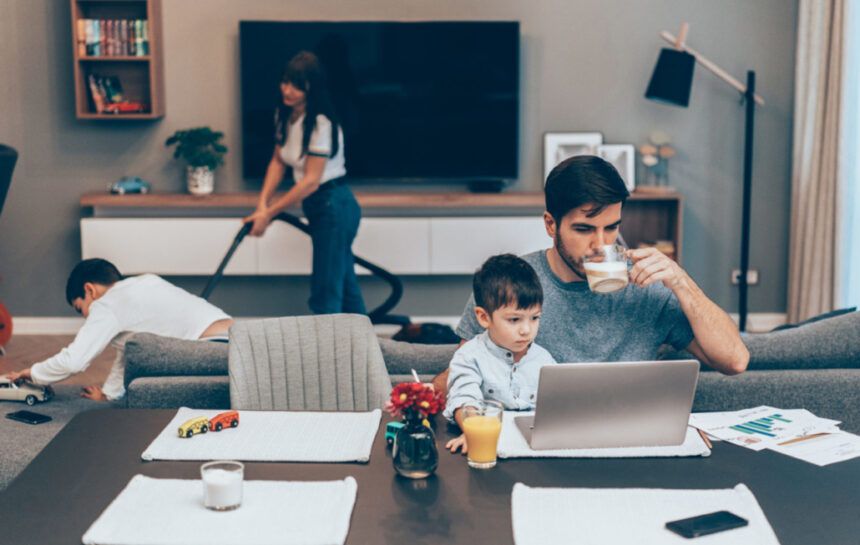
at home can mean a lot of things now. For some people, it is where they work. For others, it is where they study, rest, cook, exercise, and try to keep life from feeling too chaotic. This post is for anyone who wants to make daily life at home feel a little easier, calmer, and more useful.
- Why at home matters more than ever
- What people usually mean by at home
- The biggest challenges people face at home
- Creating a better setup at home
- How to stay productive at home
- Building healthier routines at home
- Mental well-being at home
- Learning and growing at home
- Family life and shared spaces at home
- Simple upgrades that make home life easier
- Key facts about making life better at home
- Common mistakes people make at home
- How to make at home feel more balanced
- FAQ about at home
- 1. How can I be more productive at home?
- 2. How do I stay healthy at home?
- 3. What can I do if I feel stressed at home?
- 4. How can I improve a small space at home?
- 5. Why is it hard to focus at home?
- Final thoughts on living better at home
Here’s the thing: being at home sounds simple, but it comes with real challenges. It can be hard to focus, keep routines, stay active, and separate work from personal time. What’s interesting is that small changes often make the biggest difference.
In this guide, we’ll look at why life at home matters so much, what common problems people face, and practical ways to improve comfort, focus, and balance. You’ll also find useful tips for home routines, mental well-being, productivity, and healthy habits.
Why at home matters more than ever
Home is no longer just a place to sleep and eat. For many people, it has become the center of daily life.
That shift changed how we think about comfort, work-life balance, and time management. It also made people more aware of how their physical space affects mood, energy, and focus.
To be honest, a home does not need to be perfect to support you well. It just needs to work for your real life.
What people usually mean by at home
The phrase can sound broad, but search intent around this topic is usually practical. People often want help with living better in their own space.
That can include:
- working remotely
- building routines
- exercising indoors
- learning new skills
- managing family life
- improving mental health
- creating a more comfortable environment
So when we talk about living well at home, we are really talking about making everyday life smoother and less stressful.
The biggest challenges people face at home
Being in your own space all day can feel relaxing at first. After a while, it can get messy, distracting, and mentally tiring.
A few common problems show up again and again:
Lack of structure
Without a clear routine, hours can disappear fast. You may start the day with good plans and still end up feeling unproductive.
Too many distractions
Phones, TV, chores, snacks, and social media are always nearby. That makes focus harder than many people expect.
Limited movement
People often move less at home than they do outside. Over time, that can affect energy, posture, and sleep.
Blurred boundaries
One room may serve as an office, dining area, and place to relax. That overlap can make it hard for your brain to switch off.
Creating a better setup at home
Your space affects your habits more than you may think. A few smart changes can help a lot.
You do not need expensive furniture or a full room makeover. Start with what you have and improve it step by step.
Pick one main purpose for each area
Even in a small apartment, try to give each area a clear role. One chair can be for reading. One corner can be for work. One table can be for meals.
That kind of mental separation helps your day feel more organized.
Use light to your advantage
Natural light can improve mood and help you stay alert. If possible, work or study near a window.
If that is not possible, use a lamp with soft but bright light. A dark room can make you feel tired even when you are not.
Keep essentials within reach
Put the items you use most often where they are easy to grab. That might mean your charger, notebook, water bottle, or headphones.
Small convenience matters. It reduces friction and makes good habits easier to repeat.
How to stay productive at home
Productivity at home is less about motivation and more about systems. Waiting to “feel ready” usually does not work for long.
A simple plan beats a perfect plan.
Start with a short morning routine
You do not need a long ritual. Even 15 to 20 minutes can help set the tone.
A basic routine might include:
- making the bed
- opening a window
- drinking water
- getting dressed
- writing down the top three tasks for the day
That tells your brain the day has started.
Work in focused blocks
Many people do well with short work sessions followed by breaks. A common method is 25 minutes of focus and a 5-minute break.
What’s interesting is that short bursts often feel easier to start than long sessions. And once you begin, momentum usually builds.
Set a stopping time
This matters just as much as a start time. When work stretches late into the evening, stress tends to follow.
Pick a realistic end point and try to stick to it. That helps protect rest and personal time at home.
Building healthier routines at home
Healthy living does not have to mean a full lifestyle reset. It can start with a few repeatable actions.
The goal is not perfection. The goal is consistency.
Move your body every day
Even light movement helps. A short walk, home workout, stretching session, or dance break all count.
Health experts continue to support regular physical activity because it helps heart health, sleep, mood, and energy levels. You do not need a gym to stay active at home.
Eat on purpose, not by accident
When the kitchen is always close, random snacking gets easy.
Try planning meals and keeping simple, filling foods around the house. Things like fruit, yogurt, eggs, oats, rice, beans, and vegetables can make home eating more balanced and affordable.
Protect your sleep schedule
Sleep often gets disrupted when home and work life blend together. Late screen time, odd meal times, and inconsistent routines can make it worse.
Try to wake up and go to bed at about the same time each day. A stable sleep schedule supports focus, mood, and overall health.
Mental well-being at home
Spending a lot of time indoors can affect how you feel. Some people become restless. Others feel isolated or mentally drained.
That does not mean something is wrong with you. It usually means your routine needs better support.
Make room for quiet
Your brain needs breaks from noise and constant input.
That could mean five minutes without your phone, a short breathing exercise, or simply sitting by a window with a cup of tea. Tiny pauses can reset your attention.
Stay socially connected
Being at home does not have to mean being disconnected. A quick call, voice note, video chat, or walk with a friend can help.
Human connection supports mental health. Even short interactions can make a day feel lighter.
Notice your stress signals
Some signs are easy to miss: poor sleep, irritability, low focus, or feeling overwhelmed by small tasks.
To be honest, many people ignore these signs until they build up. If that happens often, it may help to simplify your schedule, reduce pressure, or talk with a qualified mental health professional.
Learning and growing at home
Home can also be a place for progress, not just maintenance.
Many people use time at home to improve practical skills, read more, cook better meals, or take online courses. That does not mean every spare hour needs to be “productive,” but steady growth can feel rewarding.
Try one new skill at a time
It is tempting to do everything at once. That usually leads to burnout.
Pick one thing. Learn a recipe. Practice a language. Improve budgeting. Start with something useful and manageable.
Keep expectations realistic
You do not need to transform your entire life in a month.
Small wins count. Reading ten pages, organizing one drawer, or doing a 15-minute workout still moves you forward at home.
Family life and shared spaces at home
If you live with other people, routines get more complex. Noise, schedules, chores, and privacy all need attention.
Clear communication helps more than complicated rules.
Agree on basic boundaries
Talk about quiet times, shared chores, meal planning, and work or study hours.
These conversations may feel small, but they prevent many daily frustrations.
Share the load fairly
A home runs better when responsibility is visible and shared. Cleaning, cooking, and planning should not fall on one person by default.
What’s interesting is that even a simple weekly checklist can lower tension in shared spaces.
Simple upgrades that make home life easier
You do not need a major budget to improve your environment.
A few low-cost changes can make your space feel better fast.
Declutter one small area
Start with a desk, shelf, or kitchen counter. Clear space often leads to clearer thinking.
Add comfort where it matters
A supportive chair cushion, better lighting, or softer bedding can improve daily life more than decorative extras.
Use reminders that reduce stress
Sticky notes, calendars, and phone alarms can help you remember tasks without keeping everything in your head.
Key facts about making life better at home
There is no single perfect way to live well at home. Still, a few facts hold up across different lifestyles.
- Consistent routines help reduce decision fatigue.
- Natural light supports alertness and mood.
- Regular movement benefits physical and mental health.
- Sleep quality affects focus, appetite, and stress.
- Organized spaces often make tasks feel easier to start.
- Social connection remains important, even when you spend more time indoors.
These are not trends. They are practical basics.
Common mistakes people make at home
A lot of frustration comes from expecting too much, too fast.
Here are a few common mistakes:
Trying to copy someone else’s routine
What works for a content creator, remote worker, parent, or student may not work for you.
Ignoring rest
Rest is not laziness. It is part of staying functional and healthy.
Making everything complicated
The best systems are often boring and simple. A clear desk, a daily walk, and a set bedtime can go a long way.
How to make at home feel more balanced
Balance does not mean every day feels perfect. It means your space supports your real needs most of the time.
Start small. Fix what annoys you most. Build one routine that actually fits your schedule. Then improve from there.
Here’s the thing: the best home habits are the ones you can keep. Not the ones that look impressive online.
FAQ about at home
1. How can I be more productive at home?
Start with a simple routine, define your main tasks, and work in short focused blocks. Reduce distractions and set a clear stop time for the day.
2. How do I stay healthy at home?
Move daily, eat regular meals, drink water, and keep a steady sleep schedule. Small habits done often matter more than extreme plans.
3. What can I do if I feel stressed at home?
Take short breaks, limit constant screen time, talk to someone you trust, and create a calmer daily structure. If stress feels heavy or ongoing, professional support can help.
4. How can I improve a small space at home?
Use each area for one main purpose, remove clutter, improve lighting, and keep essentials nearby. Small changes often make a space feel more functional.
5. Why is it hard to focus at home?
Home usually comes with more distractions and fewer natural boundaries. A clear routine, a dedicated work area, and fewer interruptions can improve focus.
Final thoughts on living better at home
Life at home can feel messy, busy, peaceful, productive, or all of those at once. That is normal.
What matters most is building a space and routine that support your health, focus, and peace of mind. You do not need to get everything right this week. Pick one change, make it stick, and keep going.
Meta Title: Live Better at home With Simple Daily Habits
Meta Description: Learn practical ways to stay productive, healthy, and balanced at home with simple routines, smart space tips, and realistic daily habits.
Continue reading: How to Start a Garden: A Beginner’s Guide to Growing Your Own Food and Flowers