

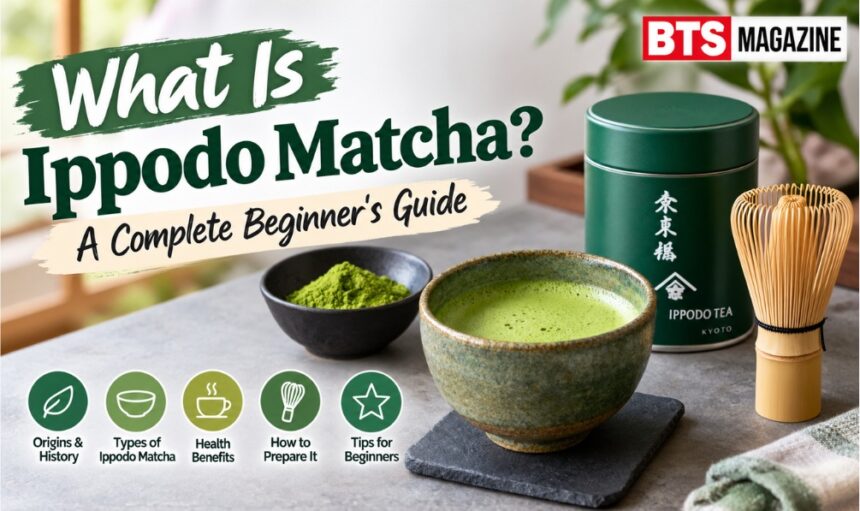
If you are new to Japanese green tea, you may have come across Ippodo matcha while searching for a smooth, traditional matcha to drink at home. But what makes it different from ordinary green tea powder, and which type should a beginner choose?
- What Is Ippodo Matcha?
- Why Is Ippodo Matcha Important?
- Key Features of Ippodo Matcha
- 1. Different Flavor Profiles
- 2. Umami and Natural Bitterness
- 3. Traditional Japanese Tea Background
- 4. Options for Different Preparations
- How to Choose Ippodo Matcha for the First Time
- How to Make Ippodo Matcha at Home
- Ippodo Matcha vs Regular Green Tea
- Is Ippodo Matcha Worth Trying?
- Frequently Asked Questions
- What is Ippodo matcha made from?
- Is Ippodo matcha good for beginners?
- Which Ippodo matcha should I try first?
- Does Ippodo matcha taste bitter?
- Can you use Ippodo matcha for lattes?
- What is the difference between usucha and koicha?
- Where does Ippodo matcha come from?
- Conclusion
Ippodo Tea is a long-established Japanese tea company based in Kyoto. Founded in 1717, the company selects, blends, and produces Japanese teas, including several matcha varieties.
In this guide, you will learn what Ippodo matcha is, how it is made, how it tastes, how to prepare it, and what to consider when choosing your first matcha.
What Is Ippodo Matcha?
Ippodo matcha is finely powdered Japanese green tea made from shade-grown tea leaves. It has a bright green color and is known for its aroma, umami flavor, and smooth or pleasantly bitter finish depending on the blend. Ippodo offers matcha in different flavor profiles, ranging from light and sharp to rich and robust.
Unlike regular loose-leaf green tea, matcha is consumed as a powder mixed directly with water. This gives it a distinctive texture and a fuller tea experience.
For a broader explanation of matcha, see the Wikipedia page on matcha.
Why Is Ippodo Matcha Different?
One important point is that Ippodo does not simply sell one standard matcha powder. Its lineup includes several blends with different levels of richness, sweetness, umami, bitterness, and aroma.
Ippodo also explains that its regular teas are blended from harvests from different farms, fields, years, and batches. The goal is to maintain a consistent character throughout the year.
Why Is Ippodo Matcha Important?
For many tea drinkers, Ippodo matcha is interesting because it connects traditional Japanese tea culture with an easy-to-use product for modern kitchens.
The company has been operating in Kyoto since 1717 and sources its teas from the mountains of Kyoto Prefecture and surrounding areas. Ippodo says the region’s climate, soil, sunshine, rainfall, and misty conditions help support tea production.
Matcha itself also has a unique production process. Genuine matcha is made from shade-grown tea leaves that are processed and ground into a fine powder.
This makes it different from many green tea powders that may not follow the same production standards.
Key Features of Ippodo Matcha
1. Different Flavor Profiles
Ippodo matcha comes in several styles. Some are rich and intense, while others are lighter and easier for beginners.
Current Ippodo matcha options include:
- Kanza – rich and lush
- Kuon – rich and fragrant
- Ummon – rich and robust
- Sayaka – rich and smooth
- Ikuyo – medium and snappy
- Kan – medium and round
- Wakaki – light and sharp
This range means you do not have to choose a very strong matcha if you are just starting.
2. Umami and Natural Bitterness
Good matcha does not necessarily taste sweet like a flavored drink. Japanese matcha can have umami, vegetal notes, bitterness, and astringency.
Ippodo notes that bitterness and astringency are natural parts of authentic green tea and that adjusting the amount of tea, water temperature, or brewing time can create a lighter cup.
3. Traditional Japanese Tea Background
Ippodo’s history gives its matcha a strong connection to Kyoto’s tea culture. Its main store remains in Kyoto near the former Imperial Palace grounds, where the company began its story in 1717.
4. Options for Different Preparations
Ippodo matcha can be prepared in several ways, including usucha (thin matcha), koicha (thick matcha), iced matcha, and matcha lattes. The amount of powder and water changes depending on the preparation.
How to Choose Ippodo Matcha for the First Time
Choosing your first matcha can feel confusing because there are many names and flavor descriptions.
A simple approach is to think about how you want to drink it.
For Beginners
Sayaka is one of the easiest places to start. Ippodo specifically recommends it for people new to its matcha. The company describes it as smooth, medium-rich, and approachable, with sweetness and umami balanced by a small amount of bitterness.
For a Stronger Flavor
If you prefer a deeper, more powerful cup, Ummon may be more appealing. Ippodo describes it as rich and robust, with plentiful umami and a strong character.
For a Lighter Cup
If you do not enjoy strong bitterness, a lighter option such as Wakaki may be worth exploring. Ippodo categorizes it as a light and sharp matcha.
How to Make Ippodo Matcha at Home
You do not need an elaborate tea ceremony setup to make a good bowl of Ippodo matcha.
Step 1: Measure the Matcha
Start with about 2 grams of matcha for a typical usucha preparation. Ippodo lists 2 grams as the serving size for its Sayaka matcha.
Step 2: Add Water
Use hot water rather than boiling water. Very hot water can make the tea taste harsher or more bitter.
Step 3: Whisk the Matcha
A traditional bamboo whisk, called a chasen, can help mix the powder evenly and create a light layer of foam.
Move the whisk quickly back and forth until the matcha becomes smooth.
Step 4: Taste and Adjust
If the matcha tastes too strong, try using slightly less powder or cooler water next time.
If it tastes too weak, you can gradually increase the amount of matcha.
The best cup is ultimately the one that suits your taste.
Ippodo Matcha vs Regular Green Tea
The biggest difference is the form in which you consume the tea.
With traditional loose-leaf green tea, the leaves are steeped in water and then removed. With matcha, the powdered tea is whisked into water, so you drink the powder itself.
Matcha is made from shade-grown leaves that are processed and finely ground, while ordinary green teas can use different processing methods and leaf forms.
This difference affects the texture, preparation method, flavor, and overall drinking experience.
Is Ippodo Matcha Worth Trying?
Whether you enjoy Ippodo matcha will depend on your taste and how you prefer to prepare tea.
It may be appealing if you want:
- Traditional Japanese matcha
- Several flavor profiles to explore
- Matcha for drinking rather than only baking
- Options for usucha and koicha
- A tea company with a long Kyoto history
- Matcha suitable for beginners and experienced drinkers
Ippodo itself states that its matcha varieties are high-quality teas intended to be enjoyed on their own and are also used in tea ceremonies.
Frequently Asked Questions
What is Ippodo matcha made from?
Ippodo matcha is made from shade-grown Japanese green tea leaves that are processed and ground into a fine powder. Ippodo sources its teas from Kyoto Prefecture and nearby areas.
Is Ippodo matcha good for beginners?
Yes, there are Ippodo matcha options designed to be approachable for new drinkers. Sayaka is specifically recommended by Ippodo as a first matcha because of its smooth and accessible character.
Which Ippodo matcha should I try first?
Sayaka is a practical starting point for beginners because Ippodo describes it as smooth, medium-rich, and accessible. Your preferred choice may differ if you specifically want a stronger or lighter flavor.
Does Ippodo matcha taste bitter?
It can. Matcha naturally contains compounds that contribute bitterness and astringency. However, flavor varies between blends, and brewing choices such as water temperature and the amount of powder can affect the final taste.
Can you use Ippodo matcha for lattes?
Yes. Ippodo provides preparation guidance for matcha lattes and says some of its matchas can be used for this purpose. Its product guidance notes that medium-to-light matchas are generally recommended for lattes, although richer varieties can also be used according to personal preference.
What is the difference between usucha and koicha?
Usucha is a thinner, more liquid style of matcha, while koicha is a thicker preparation made with more matcha and less water. Ippodo provides recipes for both preparation styles.
Where does Ippodo matcha come from?
Ippodo says its teas come from the mountains of Kyoto Prefecture and surrounding areas. The company selects harvests from different farms and blends them to create consistent tea profiles.
Conclusion
Ippodo matcha is Japanese powdered green tea produced by a Kyoto tea company with roots dating back to 1717. Its lineup includes different flavor styles, from light and approachable to rich and robust.
For beginners, starting with a smoother option such as Sayaka can make the first experience easier. From there, you can explore stronger blends such as Ummon or other Ippodo varieties.
The key is not simply finding the most expensive matcha. It is finding a flavor profile and preparation style that you genuinely enjoy.
Read also: Domikyo.com Explained: What It Is, What It Covers & Should You Trust It?